
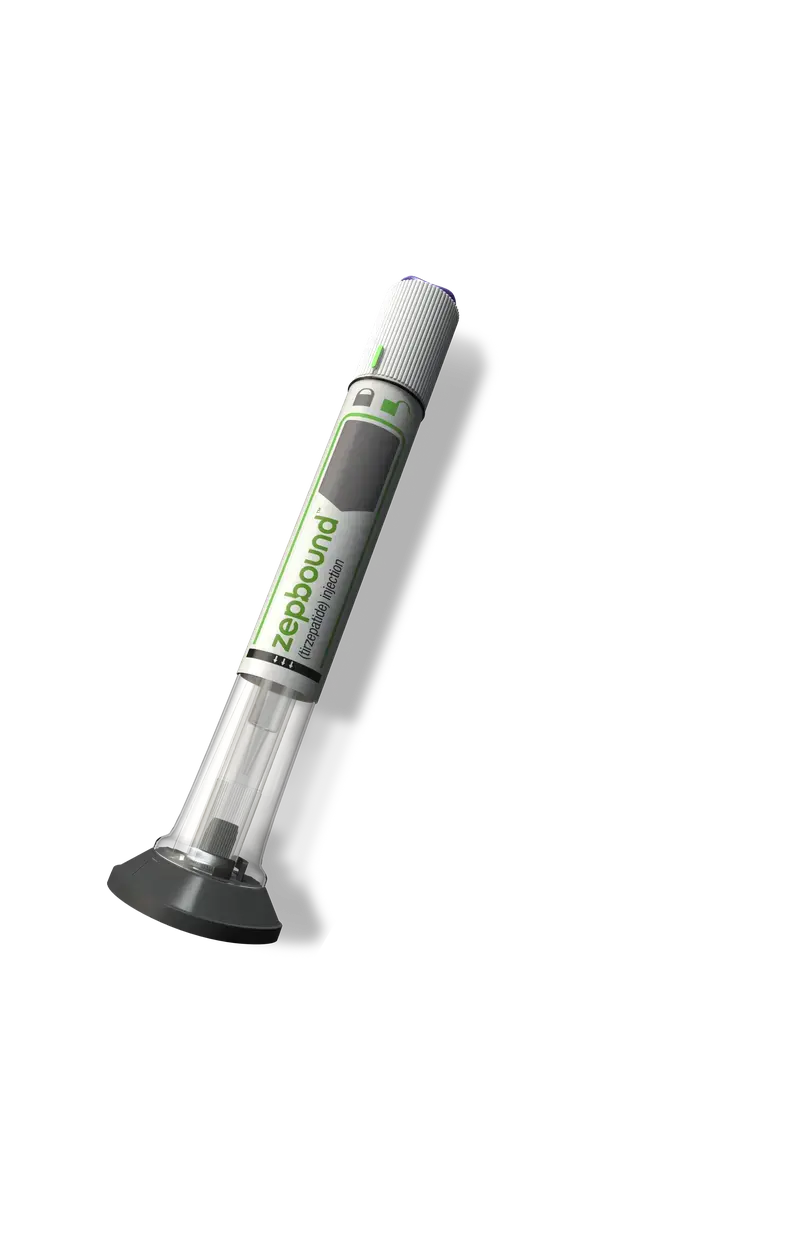
Tirzepatide
Tirzepatide Online — Find the Right Option for
You
One active ingredient, two FDA-approved brands. A
licensed RoenRx provider helps you figure out which
one fits your health goals.
The active ingredient behind Mounjaro and Zepbound
Once-weekly injectable
Acts on two hormone receptors — GLP-1 and GIP — instead of one
Eligibility required. A licensed provider must evaluate your medical history before any prescription is written.
What is tirzepatide?
Tirzepatide is the active ingredient behind two FDA-approved brand-name medications:
Both are once-weekly injections containing the same molecule; the difference comes down to which condition each brand is approved to treat, along with some differences in dosing and packaging. Which one a provider prescribes depends on your diagnosis and goals — not on tirzepatide itself, since the underlying medication is identical.
What makes tirzepatide distinct from single-hormone GLP-1 medications like semaglutide is that it activates two separate receptors — GLP-1 and GIP — rather than one. That dual mechanism has been associated with somewhat greater average weight loss in clinical trials compared to semaglutide-only medications, though individual results vary by dose, adherence, and lifestyle factors.
How does tirzepatide work?
Tirzepatide mimics two hormones your gut naturally releases after eating: GLP-1 and GIP. Together, they prompt your pancreas to release more insulin when blood sugar rises, slow how quickly food leaves your stomach, and reduce appetite and cravings signaled to the brain. In people managing type 2 diabetes, this combination supports healthier blood sugar levels; in people using it for weight management, the appetite and fullness effects drive sustained calorie reduction over time.
In a 72-week clinical trial, participants on the highest studied dose of tirzepatide lost a substantial average percentage of their body weight when paired with diet and exercise. Separately, a long-term trial found that weekly tirzepatide significantly reduced the risk of progression from prediabetes to type 2 diabetes compared to placebo — a notable finding for people concerned about their diabetes risk in addition to their weight.
Which tirzepatide brand is right for me?
A licensed RoenRx provider makes the final determination, but as a general guide:
- Managing type 2 diabetes? Mounjaro is the FDA-approved option.
- Pursuing weight loss? Zepbound carries the approval specific to chronic weight management.
- Not sure which applies to you? Your provider will evaluate your diagnosis, health history, and goals to recommend the appropriate brand.
Tirzepatide isn't appropriate for everyone — it carries a boxed warning and shouldn't be used by patients with a personal or family history of medullary thyroid carcinoma (MTC) or Multiple Endocrine Neoplasia type 2 (MEN 2). Your provider will screen for this and other relevant history before prescribing.
Cost and coverage
Costs vary by brand, dose, and insurance coverage. Because Mounjaro is approved for diabetes, it's more likely to be covered by commercial insurance than Zepbound , which is often subject to separate weight-management exclusions depending on the plan. Eli Lilly offers savings card programs that can meaningfully reduce out-of-pocket costs for eligible patients on either brand. RoenRx's clinical visit fee is billed separately from the medication, which your pharmacy charges based on your specific coverage.
Getting started takes just a few steps.
-
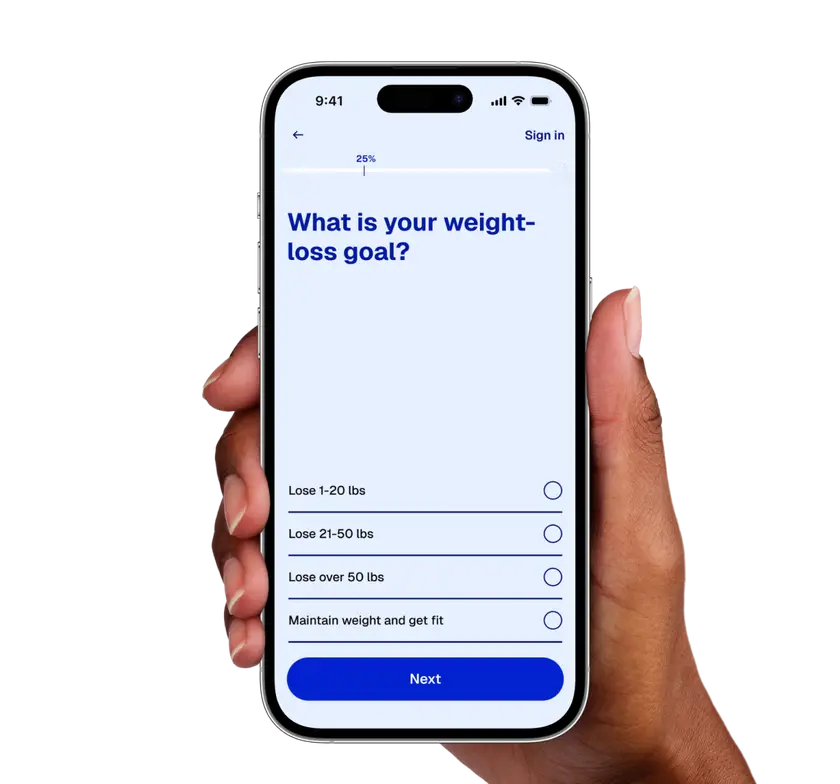 Complete your health intake
A short questionnaire covering your medical history, current medications, and whether you're focused on diabetes management, weight loss, or both.
-
 Meet your provider
A licensed clinician reviews your information and recommends whether Mounjaro, Zepbound, or an alternative like semaglutide best fits your situation.
-
 Receive your prescription, if appropriate
Sent directly to a pharmacy for pickup or delivery.
-
 Stay supported
Ongoing check-ins to manage side effects, adjust dosing, and track progress.
Tirzepatide questions
Are Mounjaro and Zepbound really the same medication?
Yes — both contain tirzepatide as the active ingredient. The difference is the approved use: Mounjaro for type 2 diabetes, Zepbound for chronic weight management.
What's the difference between tirzepatide and semaglutide?
Tirzepatide activates both GLP-1 and GIP receptors, while semaglutide (Ozempic, Wegovy) activates GLP-1 only. Clinical trials have generally shown somewhat greater average weight loss with tirzepatide, though the right choice depends on your health history, tolerance, and insurance coverage.
Can tirzepatide help prevent diabetes?
Clinical research has shown that tirzepatide can significantly reduce the risk of progressing from prediabetes to type 2 diabetes in adults who are overweight or living with obesity. Whether this applies to your situation is something your provider can discuss based on your specific risk factors.
What are the most common side effects?
Nausea, vomiting, diarrhea, constipation, and stomach discomfort are most frequently reported, and typically ease as your body adjusts to the dose.
How is tirzepatide administered?
It's a once-weekly injection given under the skin of the stomach, thigh, or upper arm, using a prefilled pen.
Tirzepatide-based medications carry a boxed warning for risk of thyroid C-cell tumors based on animal studies and should not be used by patients with a personal or family history of MTC or MEN 2. Approved use, dosing, and safety information differ between Mounjaro and Zepbound. This page is informational and does not replace a one-on-one evaluation with a licensed healthcare provider.
Not sure whether Mounjaro or Zepbound is right for you?
Start Your Free Assessment