Yes. FDA-cleared, NGSP-certified finger-prick kits and mail-in lab tests let you check your A1C without leaving the house, and both can track trends between doctor visits. Use them for ongoing monitoring, not final answers. Any result that surprises you, or that would change a medication, needs confirmation from a laboratory test before you act on it.
TL;DR:
- Home A1C kits are useful for tracking trends but should not replace lab tests for diagnosis or medication adjustments.
- Accurate results depend heavily on proper sampling technique, including hand washing, fingertip prick placement, and correct blood collection.
- Lab-based tests using NGSP certification and CLIA standards remain the most reliable method, especially for interpreting results affected by hemoglobin variants or anemia.
- OTC kits typically cost between $35 and $100, are mostly not insurance-reimbursable, and should be verified for FDA clearance and certification before purchase.
- Testing every 3 to 4 months is sufficient for most users to observe meaningful changes, with more frequent testing recommended after significant lifestyle changes or medication adjustments.
Three paths get you an A1C number, and they are not interchangeable. Instant finger-prick kits give you a result in about five minutes using a small handheld analyzer you own. Mail-in kits use the same finger-prick sample, but you ship the card to a lab and wait several days for processed results. Clinician or pharmacy lab testing draws blood through venipuncture and runs it through hospital-grade equipment, the standard your doctor uses to diagnose diabetes or adjust treatment.
Each has a real tradeoff:
If you just want a monthly check between appointments, an instant kit works fine. If you are troubleshooting an unexpected number, lean toward the mail-in or clinical route.
Technique matters more than the device you buy. Most errors in home A1C testing come from rushed sampling, not faulty equipment, according to practical guidance from Diabetes Strong.
Pro Tip: Warm your hands under running water for 30 seconds before pricking. Cold fingers restrict blood flow, which leads to squeezing, and squeezing pushes tissue fluid into the sample and skews your reading.
Home kits are useful, not definitive. The American Diabetes Association notes that home A1C kits help track trends, but laboratory testing remains what clinicians rely on for diagnosis and major treatment decisions. That gap exists because lab equipment controls for variables a countertop device simply can’t.
Three things to check before trusting a kit’s number:
Biology complicates things further. Hemoglobin variants such as S, C, D, and E, along with anemia or a recent blood transfusion, can distort A1C readings on instant analyzers. Mail-in kits that use HPLC-IE methods in a CLIA-certified lab, an approach AccuBase uses to flag hemoglobin variants that standard OTC devices often miss, handle this problem far better.
As a general guide, a normal A1C sits below 5.7%, prediabetes falls between 5.7% and 6.4%, and 6.5% or higher on two separate tests indicates diabetes. A single point change on a home kit rarely means much. A consistent trend across several tests, or any number crossing one of those thresholds, is what actually warrants a second look.
Prices vary by test type. Instant OTC kits typically run $35 to $100 depending on how many tests are included in the box, while mail-in lab kits and pharmacy options price similarly but add a few days for lab turnaround.
Before buying, verify a few things on the packaging or product page:
If you want insurance to cover the cost, you’ll generally need a lab-based test ordered through a clinician, not a retail kit purchased on your own. Reviewing at-home lab test options beforehand can help you understand which category a given kit actually falls into.
A number alone doesn’t tell you what to do next. Context does.
A single odd reading rarely means an emergency. A clear trend, or a number that would change your medication, does need a real conversation with someone who can order the right follow-up test.
A perfectly good kit can still give you a bad result if it’s been mishandled. Most A1C test strips and cartridges are sensitive to heat, humidity, and light, so storing the box in a bathroom cabinet next to a hot shower is worse than it sounds.
Keep kits in a cool, dry place, ideally somewhere between 36°F and 86°F, away from direct sunlight. Never store cartridges in a car, a bathroom, or near a stove. Check the expiration date printed on both the outer box and the individual test cartridge before every use, since these can differ if you bought a multi-pack over time. An expired cartridge doesn’t always fail outright. It can produce a result that looks plausible but is quietly off, which is more dangerous than an obvious error.
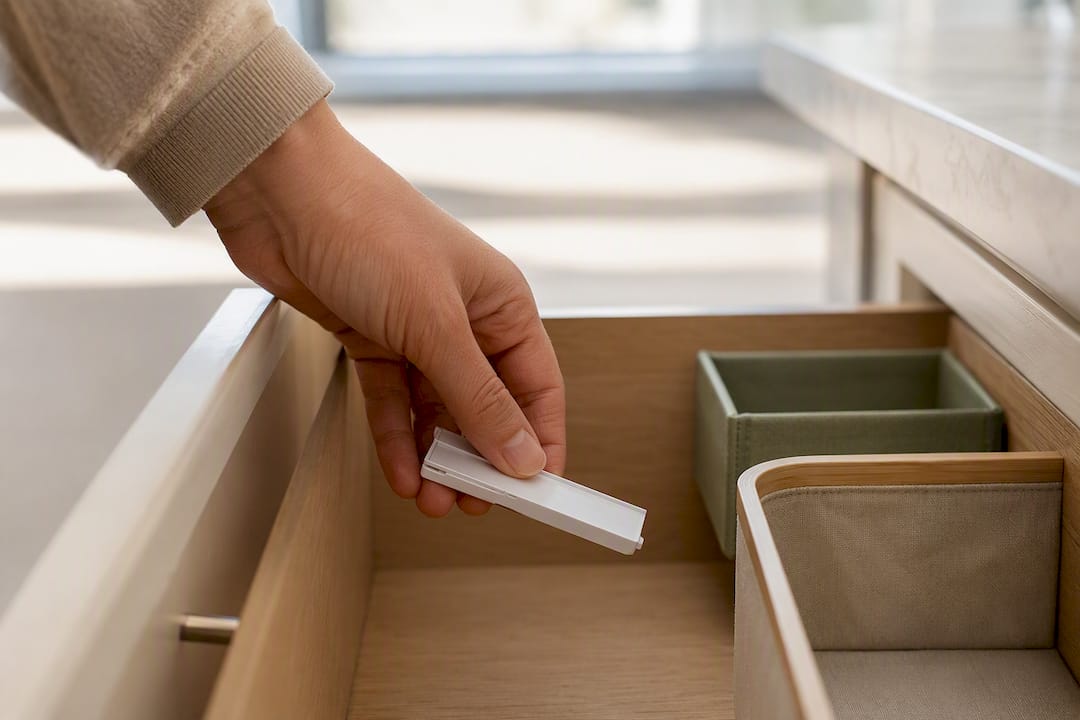
Once you open a cartridge or vial, use it within the window the manufacturer specifies, usually within a few minutes of opening. Keep the shaker vial’s cap sealed tight between tests if your kit reuses one, and never mix components from two different kit lots. If your kit comes with a code chip or requires manual code entry to match a batch of test strips, double check that the code matches the cartridge you’re using. A mismatched code is a quiet, common cause of wildly inaccurate readings that people rarely trace back to the actual problem.
Testing frequency depends on why you’re testing in the first place. Because A1C reflects your average blood sugar over roughly two to three months, testing weekly or even monthly won’t show you much movement and mostly wastes cartridges.
For people managing diagnosed diabetes, testing every 8 to 12 weeks mirrors the interval many clinicians use for lab-based A1C checks and gives the number enough time to actually shift. For people monitoring prediabetes or general metabolic health, testing every 3 to 4 months is usually plenty to catch a meaningful trend without over-testing.
The exception is right after a major change, a new medication, a significant diet shift, or a weight-loss program. In that case, testing at 8 weeks and again at 12 weeks can help you see whether the change is working, since two data points in a clear direction tell you more than one number in isolation. A single low or high reading, especially early on, is often just noise. What matters is whether three consecutive tests move consistently up or down.
Daily or weekly finger-stick glucose checks still have their place for immediate feedback. A1C isn’t built for that job. It’s built to answer a slower question: is your overall control getting better or worse over months, not hours.
These two tools answer different questions, and confusing them leads to frustration. A1C testing, whether at home or in a lab, gives you a single average number covering the past two to three months. A continuous glucose monitor (CGM) gives you real-time glucose readings every few minutes, day and night.
If you want to know whether your overall management is trending in the right direction, A1C is the tool. If you want to know why your blood sugar spiked after lunch or dropped overnight, only a CGM shows you that. A1C testing is cheaper, requires no ongoing device to wear, and works well as a periodic checkpoint. CGMs cost more, require a sensor change every one to two weeks depending on the device, and demand more day-to-day attention, but they catch patterns A1C physically cannot, like reactive hypoglycemia after specific meals.
Neither replaces the other. Someone managing type 2 diabetes with lifestyle changes might rely mostly on periodic A1C checks. Someone on insulin, where minute-to-minute swings carry real risk, usually needs a CGM regardless of what their A1C shows. The smartest approach for most people combines both: A1C as the slow-moving report card, CGM or regular glucose meter checks as the day-to-day feedback loop that explains why the report card looks the way it does.

A home A1C result is a data point, not a diagnosis. What you do with that number matters more than the number itself, and that’s where a telehealth care team earns its keep. Some telehealth services let you message a clinician the same day you get a result, whether it’s reassuring or concerning, and have someone with actual context review it against your history.
If a reading looks off or crosses a threshold that warrants a closer look, RoenRx clinicians can order confirmatory lab testing and, if needed, adjust a treatment plan without you waiting weeks for the next open appointment slot. That includes coordinating prescription delivery if your care team decides a medication change is warranted. No clinician worth trusting will change your treatment off a single home test alone. Lab confirmation still comes first for anything significant. What telehealth changes is the speed between “I have a concerning number” and “someone qualified has actually looked at it.”
This article is general information, not a substitute for advice from a qualified doctor. Consult a qualified healthcare professional about your own circumstances before acting on anything here.
FDA-cleared, NGSP-certified kits are reasonably accurate for tracking trends, but they carry more variability than laboratory testing and shouldn’t be used alone for diagnosis or medication decisions.
Yes. Most OTC instant and mail-in A1C kits are sold directly to consumers and don’t require a prescription, though insurance typically won’t reimburse them without a clinician’s order.
Free A1C screening isn’t standard or guaranteed at retail pharmacies. Availability varies by location and often ties to specific health events, so check with your local pharmacy directly rather than assuming it’s offered.
Consistent changes to diet, physical activity, and weight management can lower A1C over time for many people, but the degree of change varies by individual and underlying health conditions, so any adjustment to medication should go through a clinician first.