Propranolol can quiet the racing heart, shaky hands, and sweating that hijack a performance or presentation, but it is not a first-line treatment for most diagnosed anxiety disorders. If your anxiety shows up as predictable physical symptoms before a specific event, propranolol may be worth discussing with a clinician. If your anxiety is chronic, pervasive, or tied to worry and rumination rather than physical sensations, the evidence points toward SSRIs, therapy, or a combination of both.
Good candidates for propranolol:
Who should avoid it or proceed with caution:
The right next step is a clinician evaluation, not a self-diagnosis. A telehealth visit with a provider like RoenRx can screen your cardiac and respiratory history, review your medication list, and determine whether propranolol or a different approach fits your situation.
Propranolol is a clinically useful but narrowly appropriate tool for anxiety: it works best for situational, physically driven symptoms and is not supported by evidence as a first-line treatment for most anxiety disorders.
| Point | Details |
|---|---|
| Best for situational anxiety | Propranolol targets physical symptoms (racing heart, tremor, sweating) before predictable events, not chronic or cognitive anxiety. |
| Evidence is limited | Two systematic reviews (2016 and 2025) found insufficient evidence to support routine use for social phobia, panic disorder, or most anxiety disorders. |
| Onset is 30–60 minutes | A single oral dose typically takes 30–60 minutes to work and lasts roughly 3–6 hours; test it on a low-stakes day first. |
| Contraindications are serious | Asthma, sinus bradycardia, AV block, and cardiogenic shock are absolute contraindications; diabetes requires extra monitoring. |
| RoenRx offers clinician-led evaluation | RoenRx provides same-day telehealth screening, medication review, and prescription fulfillment for anxiety, including propranolol when appropriate. |
Propranolol belongs to a class of medications called nonselective beta-adrenergic blockers, or beta-blockers. It works by blocking the effects of adrenaline (epinephrine) on beta-1 and beta-2 receptors throughout the body. The FDA approves propranolol for cardiac conditions including hypertension, angina, arrhythmias, and tremor. Its use for anxiety is off-label, meaning clinicians prescribe it based on clinical judgment and evidence rather than a formal FDA anxiety indication.
The key to understanding propranolol’s role in anxiety is where it acts. It primarily works at the periphery, meaning the heart, blood vessels, and skeletal muscles, rather than in the brain’s fear-processing centers. When your nervous system fires a stress response, adrenaline causes your heart to pound, your hands to shake, and your palms to sweat. Propranolol intercepts that signal at the receptor level, so those physical symptoms are blunted before they fully develop.

What propranolol does not do is quiet the cognitive side of anxiety. It does not reduce worry, rumination, intrusive thoughts, or the psychological sense of dread. The Cleveland Clinic describes beta-blockers as a kind of “bandage” for physical symptoms, most helpful for specific situations like stage fright rather than as a treatment for the underlying anxiety disorder itself. That distinction matters clinically: if your anxiety is driven by physical sensations that then spiral into panic, propranolol may interrupt that cycle. If your anxiety is primarily cognitive, the drug has little to offer.
Understanding how anxiety affects physical health helps clarify why a peripheral-acting drug can still be meaningfully useful in the right context. When the physical symptoms are the main problem, and they are predictable, propranolol addresses exactly the right target.
Propranolol’s clearest clinical role is situational: a single as-needed dose before a predictable, high-stakes event. Clinicians most commonly prescribe it for:
What propranolol is generally not used for:
Patient profiles most likely to benefit are those with no pulmonary disease, a stable cardiovascular baseline, and anxiety that is clearly situational and physically driven. The predictability of the trigger matters: if you know exactly when your anxiety will peak and the symptoms are physical, propranolol fits the scenario. If anxiety is continuous or unpredictable, the drug’s short duration of action and peripheral mechanism make it a poor fit.
For readers whose anxiety is more pervasive, a comparison of Wellbutrin vs. Zoloft for anxiety may be more relevant than anything in this article.
The honest summary of the evidence: propranolol has a plausible mechanism and real clinical utility for situational use, but the formal research base is thin and the findings are mixed.
A A 2016 systematic review and meta-analysis published in PMC pooled trials across panic disorder, specific phobia, social phobia, and PTSD. Its conclusion was direct: the quality of evidence is insufficient to support routine propranolol use for anxiety disorders, and no robust evidence of benefit was found across the studied conditions. The trials included were small, heterogeneous, and carried a meaningful risk of bias.
A A 2025 systematic review published in ScienceDirect reached a similar conclusion. Reviewing beta-blocker trials for social phobia and panic disorder, the authors found no evidence of beneficial effects versus placebo or benzodiazepines and called for a large, well-designed randomized controlled trial to settle the question. Notably, that same review found that beta-blocker prescriptions for anxiety rose substantially between 2003 and 2018, despite the absence of clear supporting evidence for these indications.
What the pooled evidence actually shows: No clear benefit over placebo or benzodiazepines for panic disorder or social phobia. Some supportive signal for performance anxiety and specific situational use, but from small trials with significant methodological limitations.
The areas with the most supportive (if still limited) data are performance anxiety and specific phobia, where the physical symptom burden is the primary problem. The areas with the weakest or most negative data are panic disorder, social anxiety disorder, and PTSD memory reconsolidation protocols, where trial results have been consistently mixed.
Why does the evidence look this way? Three recurring problems explain it:
The practical takeaway is not that propranolol is useless. It is that the evidence supports a narrow, situational role, not a broad one. Guidelines for most anxiety disorders favor SSRIs, SNRIs, and cognitive behavioral therapy (CBT) as first-line treatments precisely because those interventions have a much stronger evidence base.
Propranolol for anxiety is most commonly prescribed as a single as-needed dose taken before a specific event. The NHS provides general dosing examples that include 40 mg once daily for anxiety, with some contexts involving higher divided doses, though any specific dose for a given patient depends on their clinician’s assessment. These are general reference ranges, not prescriptions.
As-needed (pre-event) vs. scheduled daily use:
The onset window matters practically. If you take propranolol 10 minutes before walking on stage, you may not feel the full effect until you are already mid-performance. The 30–60 minute window is a clinical guideline, not a guarantee, and individual metabolism affects timing.
Duration of effect is also dose-dependent. A standard oral dose typically covers a 3–6 hour window, which is enough for most presentations, performances, or procedures. It does not linger into the next day at typical anxiety doses, which is one reason it is preferred over benzodiazepines for situations where cognitive clarity matters.
Pro Tip: Test your dose on a low-stakes day before a high-stakes event. Take the prescribed dose at home or in a routine setting, note how you feel, check your resting heart rate, and confirm you do not experience dizziness or fatigue that would interfere with your performance. Never take a new medication for the first time right before an important event.
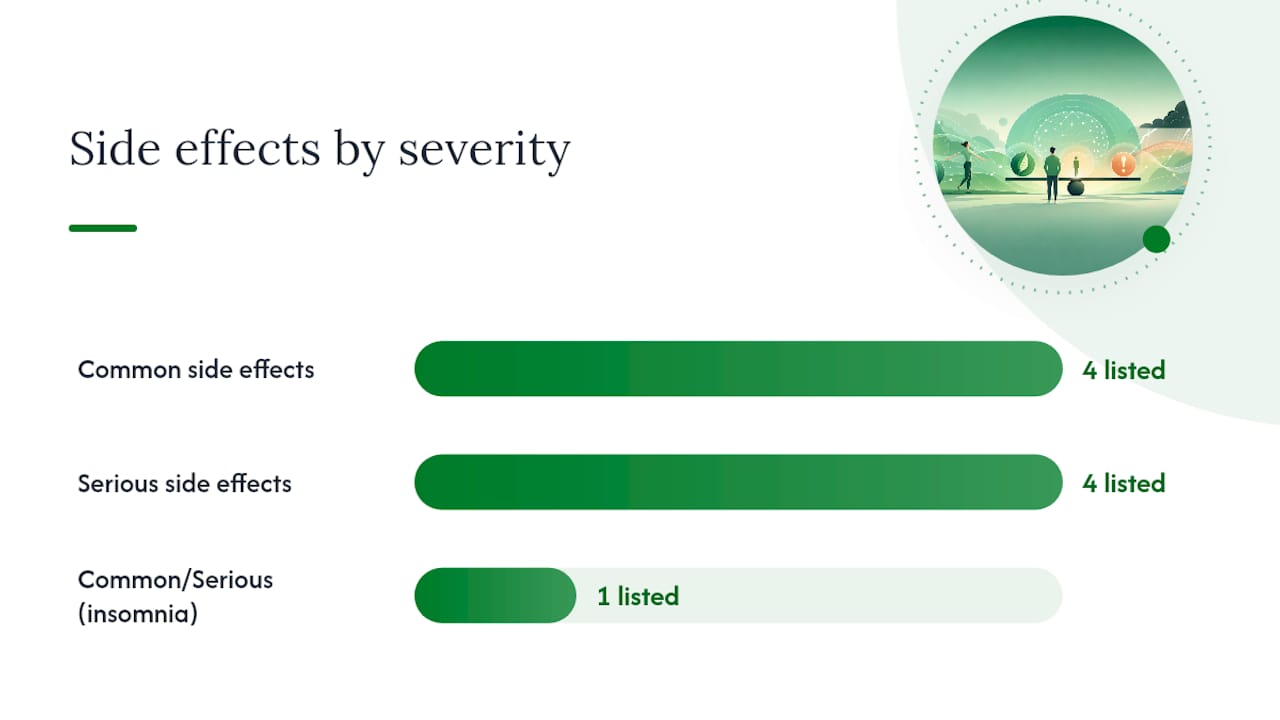
DailyMed’s adverse event data lists a range of cardiovascular and central nervous system effects across propranolol formulations:
| Side Effect | Category | Notes |
|---|---|---|
| Fatigue | Common | Dose-related; often mild at low anxiety doses |
| Vivid dreams / nightmares | Common | CNS effect; more common with higher doses |
| Dizziness / lightheadedness | Common | Especially on standing; monitor first doses |
| Cold hands and feet | Common | Peripheral vasoconstriction |
| Bradycardia (slow heart rate) | Serious | Requires monitoring; can be dangerous at low baseline HR |
| Hypotension (low blood pressure) | Serious | Risk increases with other BP-lowering medications |
| Bronchospasm | Serious | Potentially life-threatening in asthma or COPD |
| Depression | Serious | Reported with beta-blocker use; monitor mood |
| Insomnia | Common/Serious | CNS penetration; may worsen sleep quality |
DailyMed’s prescribing information lists these as absolute contraindications:
Diabetes: Propranolol can mask tachycardia, one of the key warning signs of hypoglycemia. People with diabetes who take insulin or sulfonylureas need a structured glucose monitoring plan if propranolol is prescribed.
Pregnancy and breastfeeding: Propranolol crosses the placenta and enters breast milk. Use during pregnancy requires careful clinician weighing of benefit against fetal risk, including potential effects on fetal heart rate and neonatal hypoglycemia.
Stopping propranolol: Do not stop abruptly, especially after regular use. Abrupt discontinuation can cause rebound cardiovascular effects including elevated heart rate and blood pressure. Taper under clinician guidance.
If you experience chest pain, severe shortness of breath, fainting, or a heart rate below 50 beats per minute, stop the medication and seek emergency care immediately.
Propranolol has a meaningful interaction profile. Before starting it, your clinician needs a complete medication and supplement list.
High-risk interactions to discuss with your prescriber:
Condition-specific precautions:
Pro Tip: Bring a written list of every medication, supplement, and herbal product you take to your telehealth visit. If you have a home blood pressure cuff or pulse oximeter, take a resting reading the morning of your appointment. That baseline data helps your clinician make a faster, safer prescribing decision.
For a broader look at anxiety medication options and personalization, a clinical perspective on matching the right drug class to the right patient is worth reviewing before your appointment.
A responsible prescribing evaluation for propranolol is not a five-minute conversation. Here is what a thorough clinician review covers:
Baseline evaluation checklist:
How clinicians weigh risk vs. benefit:
For situational use, the calculus is relatively straightforward: a healthy adult with no respiratory or cardiac contraindications, taking a single low dose before a predictable event, carries low risk. The benefit (reduced physical symptoms during a high-stakes moment) is concrete and immediate.
For any daily or extended use, the risk-benefit calculation shifts. Clinicians must consider whether the underlying anxiety disorder warrants a first-line treatment (SSRIs, therapy) rather than ongoing symptom suppression with a beta-blocker. Propranolol does not treat the anxiety disorder itself; it manages a subset of its physical symptoms.
Follow-up and monitoring:
A step-by-step anxiety treatment guide can help you understand what a full clinical pathway looks like, from initial evaluation through medication selection and follow-up.
Choosing between propranolol and other anxiety treatments comes down to three questions: What type of anxiety do you have? How quickly do you need relief? And what are your priorities around side effects and dependency risk?
Core comparison by treatment category:
| Treatment | Mechanism | Onset | Dependency Risk | Best For |
|---|---|---|---|---|
| Propranolol | Blocks peripheral adrenaline effects | 30–60 min | Low | Situational/performance anxiety with physical symptoms |
| Benzodiazepines | Enhance GABA (CNS sedation) | 30–60 minutes | Moderate to high | Acute severe anxiety; short-term use only |
| SSRIs/SNRIs | Modulate serotonin/norepinephrine | 2–6 weeks | Low (discontinuation syndrome possible) | First-line for GAD, social anxiety, panic disorder, PTSD |
| Cognitive behavioral therapy | Restructures thought and behavior patterns | Weeks to months | None | Long-term resolution of most anxiety disorders |
| Buspirone | Partial serotonin agonist | 2–4 weeks | Low | GAD; non-sedating alternative to benzodiazepines |
When to prefer each approach:
The practical reality is that propranolol and SSRIs/therapy are not competing options for the same patient. They address different problems. A musician with performance anxiety and no underlying anxiety disorder may need only propranolol. A person with generalized anxiety disorder who also gets stage fright may benefit from an SSRI as the foundation and propranolol as an occasional situational add-on, under clinician guidance.
For readers weighing practical strategies for managing anxiety beyond medication, behavioral approaches can meaningfully reduce reliance on any pharmacologic agent over time.
Using propranolol safely in daily life requires more than just taking the pill at the right time. A few practical rules make a real difference.
Do:
Don’t:
Missed doses: For as-needed use, a missed dose is simply a missed dose. For daily scheduled use, take it as soon as you remember unless it is close to the time of your next dose. Never double up.
Pro Tip: On your first trial day, stay home, avoid driving, and have someone with you if possible. Check your pulse at 30 minutes and 60 minutes after taking the dose. If your heart rate drops below 50 beats per minute or you feel faint, contact your prescriber before taking another dose.
Some side effects require a 911 call. Others warrant a call to your prescriber within the day. Knowing the difference matters.
Call 911 or go to an emergency room immediately for:
Call your prescriber the same day for:
Poison Control: If you or someone else takes too much propranolol, call Poison Control at 1-800-222-1222 immediately. Do not wait for symptoms to develop.
Untreated anxiety that worsens over time carries its own serious health consequences. If you are relying on propranolol to manage anxiety that is becoming more frequent or severe, that is a signal to seek a more comprehensive evaluation rather than increasing the dose.
Walking into a telehealth or in-person appointment with a prepared list of questions gets you better care. Here is a checklist to bring:
About your situation and alternatives:
About dosing and timing:
About side effects and interactions:
About monitoring and stopping:
To prepare for your appointment:
RoenRx conducts a clinician-led intake before any anxiety prescription is issued. The process is designed to replicate the safety checks of an in-person evaluation, completed from home.
What the telehealth intake covers:
After the intake, a licensed clinician reviews the information and determines whether propranolol is appropriate, whether a different medication class is a better fit, or whether additional evaluation is needed before prescribing. Prescriptions are fulfilled through pharmacy partners with streamlined delivery options.
Follow-up and messaging: RoenRx’s care model includes ongoing messaging with your care team, so if you experience side effects after your first dose or have questions about timing before an event, you can reach a clinician without scheduling a full new appointment.
Pro Tip: Before your RoenRx telehealth visit, take a resting heart rate and blood pressure reading, write down every medication and supplement you take, and note the specific situations where your anxiety symptoms appear. The more specific you are about your symptom pattern, the faster your clinician can make a safe, individualized recommendation.
Learn more about RoenRx’s anxiety prescription services and what to expect from the telehealth intake process.
Propranolol occupies a genuinely useful but frequently misunderstood niche in anxiety care. The patients who benefit most are those whose anxiety is tightly coupled to a physical stress response in a predictable situation. For them, a single low dose before a performance or presentation can be the difference between a functional experience and a derailed one. That is a real clinical win, and it should not be dismissed because the drug lacks a formal FDA anxiety indication.
What concerns me in practice is the tendency to reach for propranolol as a default for anxiety that is actually chronic, pervasive, or cognitively driven. The 2016 PMC systematic review and the 2025 ScienceDirect meta-analysis are consistent on this point: the evidence does not support routine use for most anxiety disorders. Prescribing propranolol to someone with generalized anxiety disorder or panic disorder as a primary treatment is not evidence-based care. It may reduce a racing heart in the moment, but it does nothing for the underlying disorder, and it delays the patient from accessing treatments that actually work long-term.
The other issue worth naming directly: propranolol is not benign. Bradycardia, bronchospasm in a patient with undiagnosed mild asthma, and hypoglycemia masking in a diabetic patient are real risks. The contraindication list from DailyMed is not boilerplate. Every prescribing decision should include a respiratory and cardiac screen, a full medication review, and a clear plan for what happens next. Situational use with proper screening is low-risk. Unsupervised, ongoing use without monitoring is not.
The best outcomes I see are when propranolol is used as one tool in a broader plan: a musician takes it for auditions while also working with a therapist on performance anxiety. That combination addresses both the immediate physical problem and the longer-term cognitive one. Propranolol alone, without any attention to the underlying pattern, is a short-term fix that can become a crutch.
Propranolol can be a genuinely effective tool for situational anxiety, but only when prescribed after a proper safety screening. RoenRx gives you same-day access to a licensed clinician who reviews your cardiac and respiratory history, screens your medication list for interactions, and determines whether propranolol or a different approach fits your situation.
No waiting weeks for an in-person appointment. No guessing about whether propranolol is right for you. RoenRx’s telehealth model means you get a clinician-reviewed prescription plan, pharmacy fulfillment, and ongoing messaging access to your care team, all from home. If propranolol is not the right fit, your clinician can discuss SSRIs, therapy referrals, or other options during the same visit.
Book your anxiety telehealth visit at RoenRx today and get a clinician’s assessment of whether propranolol or another treatment is the right next step for your situation.
This article is general information, not a substitute for advice from a qualified doctor. Consult a qualified healthcare professional about your own circumstances before acting on anything here.
Propranolol blocks the physical effects of adrenaline, reducing heart rate, tremor, and sweating within 30–60 minutes of an oral dose. It does not reduce worry or cognitive anxiety, only the physical symptoms tied to the stress response.
They work differently and suit different situations. Propranolol targets physical symptoms without sedation, making it preferable for performance anxiety where cognitive clarity matters. Benzodiazepines like Xanax provide broader, faster anxiolysis including cognitive relief, but carry dependency risk and impair driving and cognition. A clinician can help determine which fits your specific situation.
SSRIs and SNRIs are the evidence-based first-line medications for most diagnosed anxiety disorders, including generalized anxiety disorder, social anxiety disorder, and panic disorder. Benzodiazepines may be used short-term for acute severe anxiety under close supervision. Propranolol is generally not appropriate as a primary treatment for severe or chronic anxiety.
A single oral dose typically begins working within 30–60 minutes and the effect lasts roughly 3–6 hours, though individual metabolism affects both timing and duration. Taking it too close to the triggering event (less than 30 minutes before) may mean the full effect has not developed yet.