Brand nameInsurance checked for you
Zepbound®
tirzepatide · weekly injection
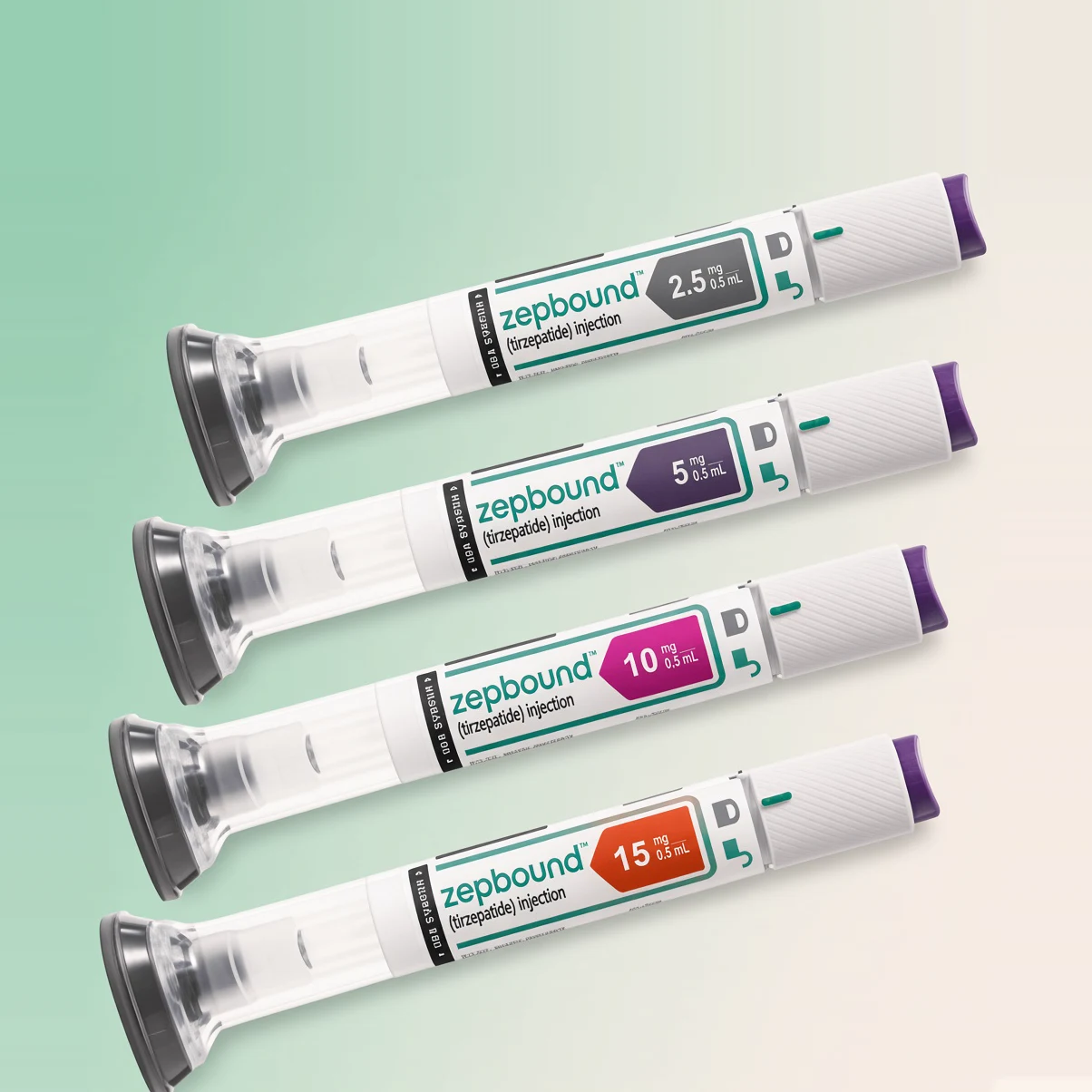
As low as $25/mo if your insurance covers it*

Body mass index (BMI) compares your weight with your height to show which weight range you fall in. It cannot tell muscle from fat, but it is a quick first look at weight-related health risk. Enter your height and weight to find yours.
0.0
Your BMI
Enter your height and weight and select Calculate. The number shown is a preview until then.
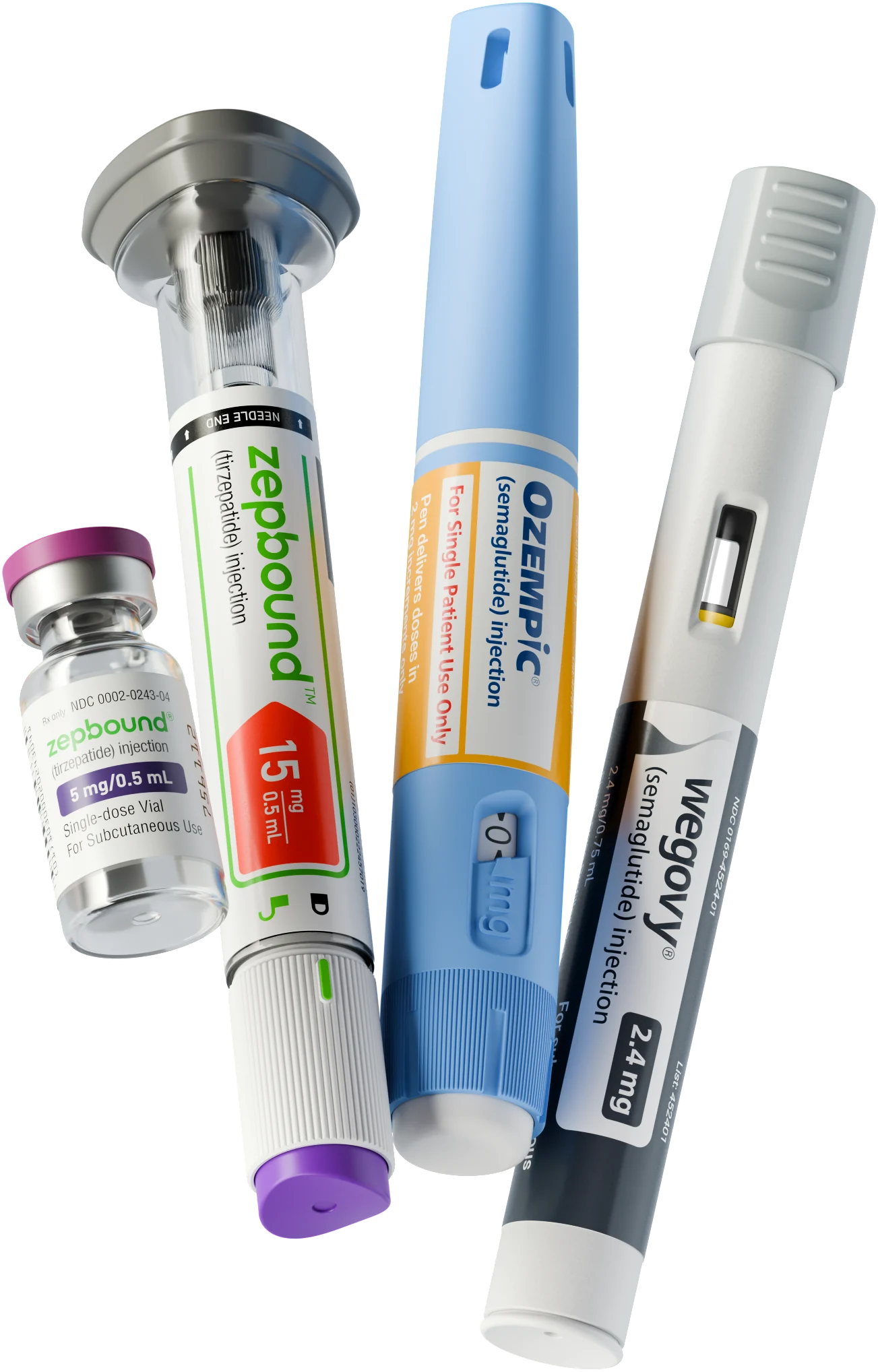
Find out if our weight loss treatments are right for you and whether your insurance will cover them.
Body mass index (BMI) is a single number worked out from your weight and height. It is used to sort adults into weight ranges: underweight, healthy weight, overweight, and obesity. It is not a direct measure of body fat.1
BMI is a screening measure, not a diagnosis.2 A result outside the healthy range is a reason to look closer. It is not a conclusion about your health. Providers read it alongside other information, and it is one of the things they use to decide whether prescription weight loss medication can be considered.3
BMI is still used because it is easy to measure and it tracks with risk across large groups of people. Overweight and obesity are associated with a higher rate of type 2 diabetes, cardiovascular disease, and osteoarthritis,4 and in a study of 5.24 million adults BMI was associated with 17 of the 22 most common cancers.5
It also has real limits. BMI cannot tell muscle from fat, and it does not show where fat is stored.1 The sections below cover what the number means and what it leaves out.
BMI is your weight divided by the square of your height.
Metric: weight in kg ÷ (height in m)²
Imperial: weight in lb ÷ (height in inches)² × 703
This calculator uses the imperial formula. It turns feet and inches into total inches (feet × 12 + inches) and takes weight in whole pounds. A blank inches field counts as zero. The result is shown to one decimal place.
Example: 5’6” is 66 inches, and 66 × 66 = 4,356. At 160 lb, 160 ÷ 4,356 × 703 gives a BMI of 25.8.
The CDC uses these categories for adults aged 20 and older:2
| Category | BMI |
|---|---|
| Underweight | Below 18.5 |
| Healthy weight | 18.5 to 24.9 |
| Overweight | 25 to 29.9 |
| Class 1 obesity | 30 to 34.9 |
| Class 2 obesity | 35 to 39.9 |
| Class 3 (severe) obesity | 40 or higher |
The result card above shows the three obesity classes as one row. These categories are for adults. Children and teens aged 2 to 19 are assessed with BMI percentiles for their age and sex instead.6 If you are pregnant, ask your clinician how to interpret your weight.
Your result falls into one of the categories above. Each one describes how weight tends to relate to health risk across large groups of people. None of them is a statement about you as an individual.
These are averages. They flag a possible risk. They do not explain why your number is what it is, and they do not account for the things BMI leaves out.
BMI uses two measurements. Much of what matters for your health is not in either of them.
Treat your BMI range as the start of a conversation, not a verdict.
If your BMI is in the healthy range, your weight is less likely to be adding to your risk of chronic disease. Blood pressure, cholesterol, blood sugar, and how you feel day to day still matter.
If your BMI is in the underweight, overweight, or obesity range, that does not automatically mean you are unhealthy or that you need to make a drastic change. It is a reason to look at the other measures on this page and to talk with a healthcare provider.
BMI is also part of how treatment gets decided. A provider may prescribe a weight loss medication for an adult with a BMI of 30 or more, or 27 or more with a weight-related health problem such as high blood pressure or type 2 diabetes.3 That includes GLP-1 medications such as Zepbound and Wegovy. These medications are not for everyone with a high BMI. Whether one is appropriate depends on your full health history, which a licensed Roen provider reviews before recommending anything.
If you are working on your weight, these tools cover the next steps:
Page last updated November 17, 2026.




 Roen members

Every Roen member is evaluated by a licensed healthcare provider who reviews your health history, your goals, and any medications you take before recommending treatment. If a GLP-1 is appropriate, your provider prescribes it, adjusts your dose over time, and stays available for questions as you go.
Individual experiences vary.

“I knew my BMI but not what it meant for treatment. My provider looked at it next to my health history before we talked about Zepbound at all.”

“I expected the conversation about Mounjaro to come down to one number. The provider asked about my history, my medications, and what I had already tried.”

“I asked directly whether Wegovy was an option for me. I got a straight explanation of how that gets decided and what follow-up would look like.”

“What helped with Ozempic was hearing the plan in order: the review, how the dose changes, and who to message with questions.”

“I had read a lot about tirzepatide and came in with a long list of questions. My provider took them one at a time and did not rush the decision.”

“Before starting semaglutide, I wanted to know how often someone would check in. The care team laid out the schedule and how to reach them in between.”
Roen providers prescribe both brand-name and compounded GLP-1s. Your provider helps you choose based on your health history, coverage, and budget.
tirzepatide · weekly injection
As low as $25/mo if your insurance covers it*
semaglutide · weekly injection
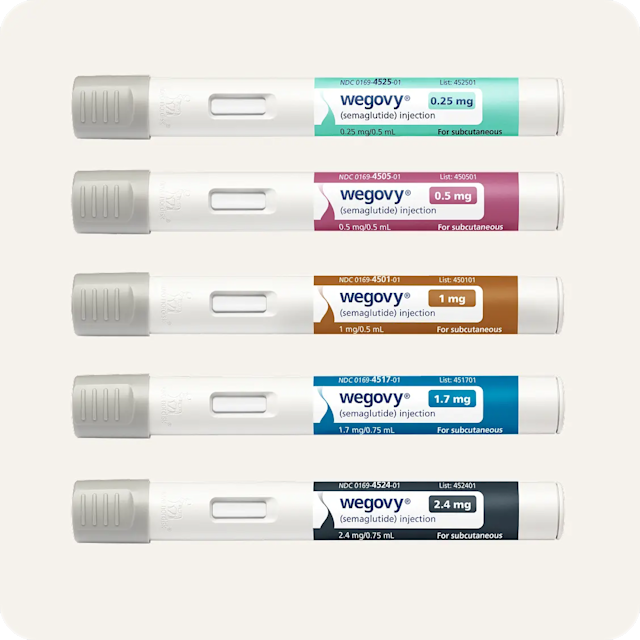
As low as $25/mo if your insurance covers it*
tirzepatide · weekly injection
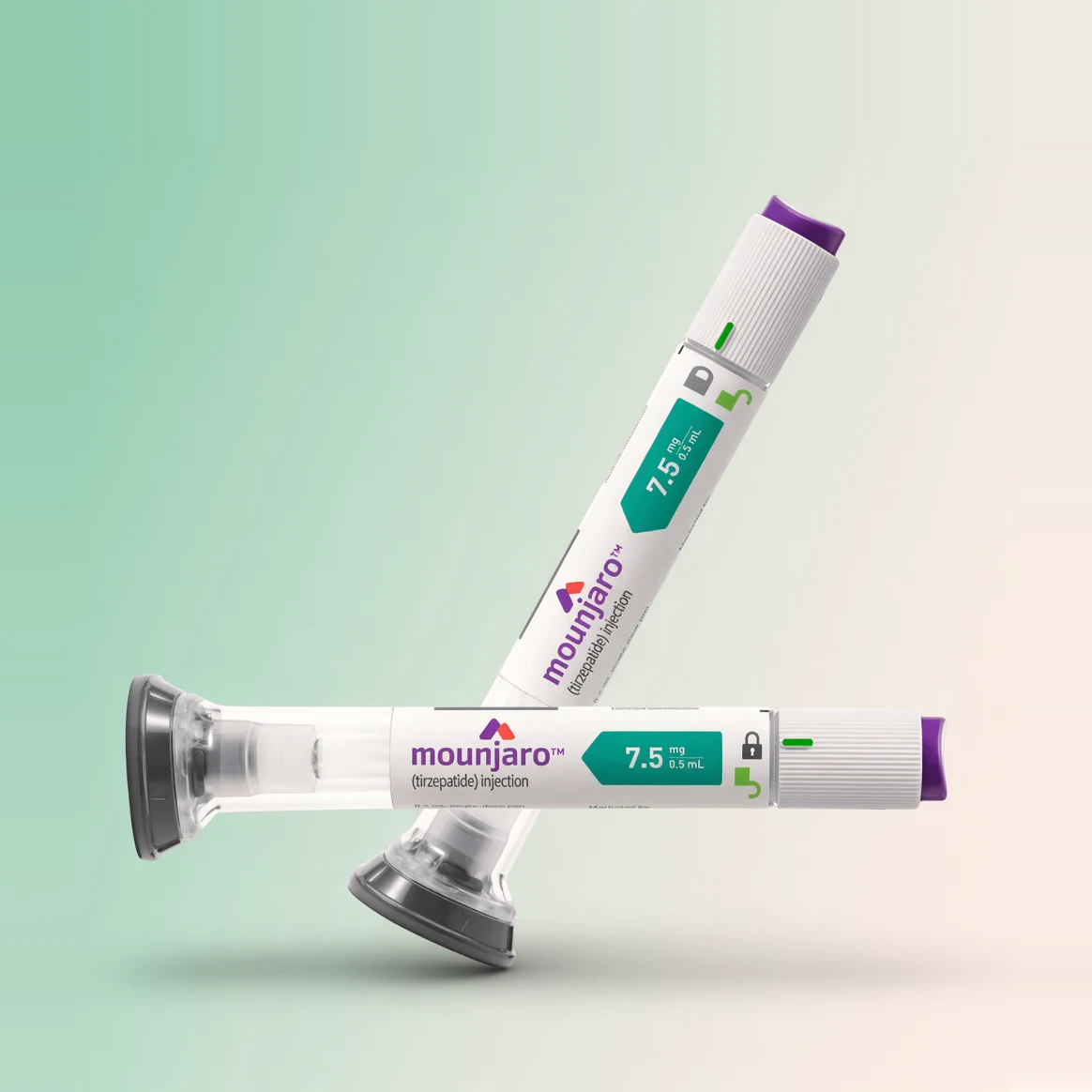
As low as $25/mo if your insurance covers it*†
semaglutide · weekly injection
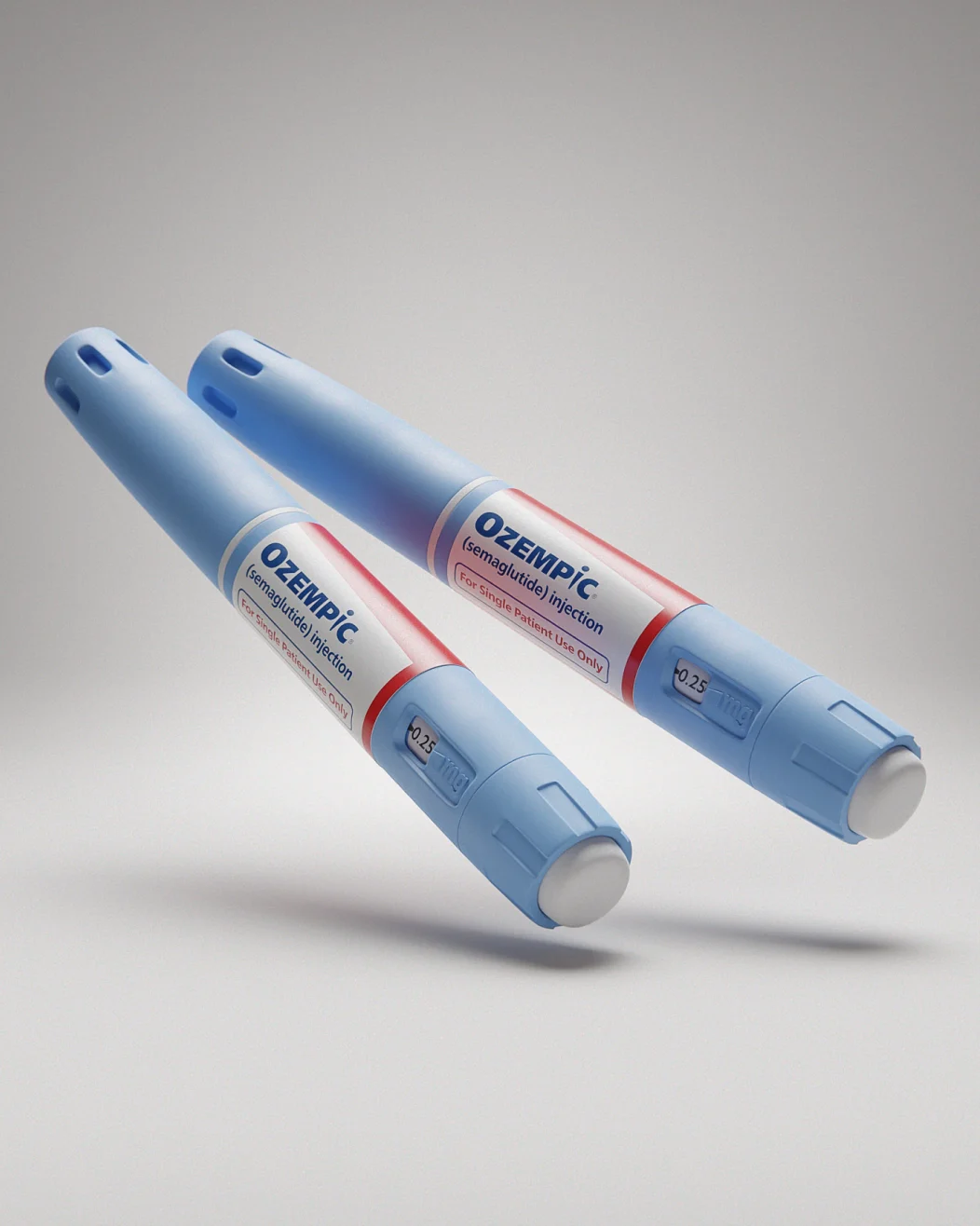
As low as $25/mo if your insurance covers it*†
weekly injection · partner pharmacy
$199/mo, or $106/mo on a 3-month supply‡
weekly injection · partner pharmacy
$329/mo, or $216/mo on a quarterly plan‡
*Brand-name pricing as low as $25 a month applies when your commercial insurance covers the medication; actual cost depends on your plan and on manufacturer savings terms, which can change. †Mounjaro and Ozempic are FDA-approved for type 2 diabetes, not for weight loss; a provider may prescribe them off-label when appropriate. ‡Compounded medications are not FDA-approved and have not been evaluated by the FDA for safety, effectiveness, or quality. Compounded pricing shown is for medication only. §Roen membership is $39 for the first month, then $135 a month. Medication is billed separately.
GLP-1 medications carry a boxed warning about the risk of thyroid C-cell tumors and can cause serious side effects. See the important safety information for Zepbound, Wegovy, Mounjaro, Ozempic, semaglutide, and tirzepatide.
Zepbound® and Mounjaro® are registered trademarks of Eli Lilly and Company. Ozempic® and Wegovy® are registered trademarks of Novo Nordisk A/S. Roen is not affiliated with or endorsed by these companies. Prescriptions are issued only after a licensed provider determines that treatment is appropriate. This page is for general information and is not medical advice.