Brand nameInsurance checked for you
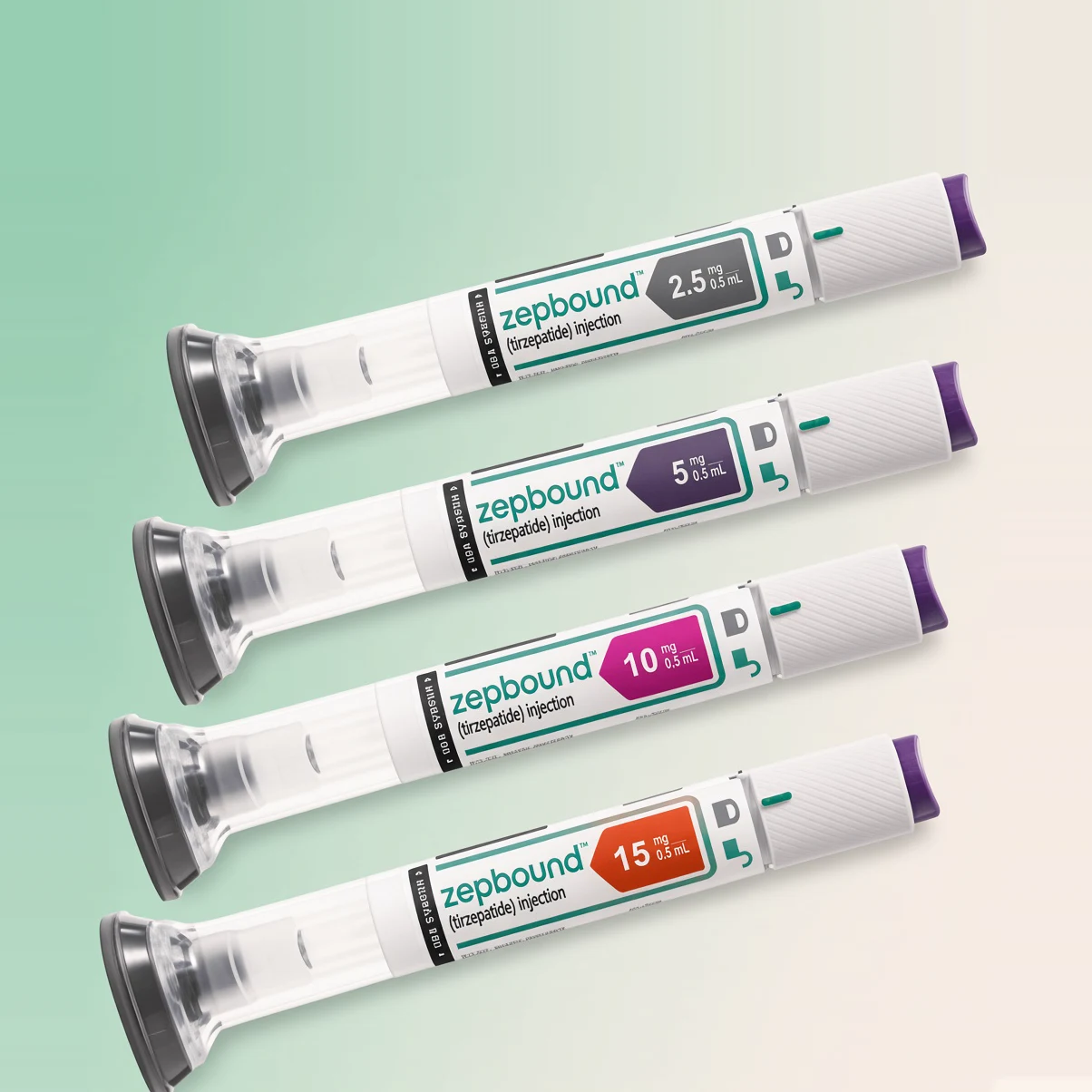
Zepbound®
tirzepatide · weekly injection
As low as $25/mo if your insurance covers it*

Enter a few details to estimate how many calories you burn in a day, how many to eat to lose one or two pounds a week, and how long it could take to reach your goal weight.
Maintain your current weight
----cal daily
Lose one pound per week
----cal daily
Time to reach your goal weight
----weeks
Find out if GLP-1 weight loss treatment is right for you, and whether your insurance will cover it.
This calculator is for educational purposes only and is not medical advice. Results are estimates based on standard equations and may not reflect your individual needs. Talk with a healthcare provider before starting a diet or exercise program. Eating fewer than 1,200 calories a day (women) or 1,500 calories a day (men) is not recommended without medical supervision. This tool is intended for adults 18 and older and is not appropriate during pregnancy or breastfeeding.
A calorie deficit means you take in fewer calories than your body burns. When that happens, your body makes up the difference from stored energy, mostly body fat, and over time your weight goes down.
A calorie is simply a unit of energy. Your body spends energy in three main ways: keeping you alive at rest (breathing, circulation, body temperature, cell repair), digesting and processing food, and moving, which covers everything from structured exercise to walking around the kitchen.1 Add those together and you get your total daily energy expenditure, or TDEE. It is also called your maintenance calories, because eating that amount keeps your weight about the same.
There are only two levers for creating a deficit: eat less energy, or burn more of it. Most people who lose weight and keep it off use some of each.
The calculator above works in three steps. It estimates the calories your body burns at rest, scales that number up for how active you are, and then subtracts a daily deficit that matches the pace you chose.
Your basal metabolic rate (BMR) is the energy your body uses at complete rest. The calculator uses the Mifflin-St Jeor equation, which was developed from measurements of several hundred adults and is one of the most widely used equations for estimating resting energy needs.2
Men: (10 × weight in kg) + (6.25 × height in cm) − (5 × age) + 5
Women: (10 × weight in kg) + (6.25 × height in cm) − (5 × age) − 161
If you enter a body fat percentage, the calculator switches to the Katch-McArdle formula, which is based on lean body mass instead of total weight: 370 + (21.6 × lean body mass in kg). This can be a closer estimate if you carry more or less muscle than average, but it is only as good as the body fat number you give it.
Next, your BMR is multiplied by an activity factor to estimate your total daily energy expenditure. Pick the level that describes a typical week, not your best week. For a closer look at what goes into that number, see our TDEE calculator.
| Activity level | What it looks like | Multiplier |
|---|---|---|
| Sedentary | Desk job, little or no planned exercise | BMR × 1.2 |
| Light | Light exercise or walking 1 to 3 days a week | BMR × 1.375 |
| Moderate | Moderate exercise 3 to 5 days a week | BMR × 1.55 |
| Very active | Hard exercise 6 to 7 days a week | BMR × 1.725 |
| Extremely active | Physical job plus training, or twice-a-day workouts | BMR × 1.9 |
A common rule of thumb is that a pound of body weight is worth roughly 3,500 calories, so a deficit of about 500 calories a day works out to about one pound a week, and about 1,000 calories a day to about two pounds a week.3 The calculator subtracts 500 or 1,000 from your TDEE and divides the pounds you want to lose by your weekly pace to estimate a timeline.
Example: a 40-year-old woman who is 5’5”, weighs 200 lbs, and is lightly active has a BMR of about 1,578 calories and a TDEE of about 2,170. To lose one pound a week she would aim for about 1,670 calories a day, and reaching 170 lbs would take roughly 30 weeks.
Treat every number here as a starting estimate. Equations describe averages, and real bodies vary. The 3,500-calorie rule also tends to overstate long-term results, because a smaller body burns fewer calories and weight loss slows as you go.1 If your weight has not moved after three or four weeks, adjust your intake or activity slightly and recalculate with your new weight.
For most adults, a deficit of about 500 to 1,000 calories a day is the range usually recommended, which works out to roughly one to two pounds a week.3 The CDC notes that people who lose weight at this gradual, steady pace are more likely to keep it off than people who lose it quickly.4
The right number inside that range depends on where you are starting:
As a general floor, women should not eat fewer than 1,200 calories a day and men should not eat fewer than 1,500, unless a health professional is supervising.3 Below those levels it becomes hard to get the protein, vitamins, and minerals your body needs. The calculator flags any result that falls under these minimums.
The best deficit is also one you can live with. A modest target you can hold for six months will do more than an aggressive one you abandon after two weeks.
A deficit becomes unhealthy when it is too large, lasts too long without a break, or leaves you short on nutrients. In practice that usually means eating below the 1,200 (women) or 1,500 (men) calorie minimums without medical supervision, or losing much more than two pounds a week for an extended stretch.3
Cutting too hard tends to backfire in a few ways:
Signs your deficit may be too aggressive include constant fatigue, feeling cold, dizziness, irritability, trouble sleeping, hair shedding, missed periods, constipation, or a preoccupation with food. If you notice these, raise your calories toward maintenance and check in with a healthcare provider.
Protein is the most filling macronutrient, and it helps protect muscle while you lose fat. Research on weight loss diets supports roughly 1.2 to 1.6 grams of protein per kilogram of body weight a day, with about 25 to 30 grams at each meal.8 For someone who weighs 200 lbs (about 91 kg), that is around 110 to 145 grams a day. Our protein calculator works out the range for your weight and activity level.
Easy sources include eggs, Greek yogurt, cottage cheese, chicken, fish, tofu, beans, and lentils.
High-fiber foods add volume to meals for relatively few calories, which makes a deficit feel less like a deficit. Adults need at least 25 to 35 grams of fiber a day, and most Americans get only about 15.9
Vegetables, whole fruit, beans, oats, and whole grains are the simplest ways to close the gap. Increase fiber gradually and drink water with it.
Activity widens your deficit without taking more food off your plate. The CDC recommends at least 150 minutes of moderate-intensity activity a week, such as brisk walking, plus muscle-strengthening activity on two or more days.10
Strength training matters during weight loss because it signals your body to keep muscle. Everyday movement counts too: walking, stairs, and standing more all add to your daily burn.
In a 12-month behavioral weight loss program, people with better sleep health lost more weight and more fat than those who slept poorly.11 Chronic stress works against you as well: it can drive eating, especially of calorie-dense foods, and gets in the way of sleep and activity.12
Aim for a consistent sleep schedule of seven or more hours, and find a stress outlet that is not food, such as a walk, a call with a friend, or a few minutes of quiet.
Water has no calories, and swapping it for soda, juice, sweetened coffee, or alcohol can remove hundreds of calories a day without changing what you eat. In one small study, drinking about 17 ounces (500 mL) of water also raised metabolic rate by roughly 30% for a short time, though the overall effect on weight is modest.13
A glass of water before meals is an easy habit to start with.
For some people, appetite and biology make a calorie deficit very hard to sustain on willpower alone. GLP-1 medications work by reducing appetite and helping you feel full sooner, which makes eating less far more manageable.
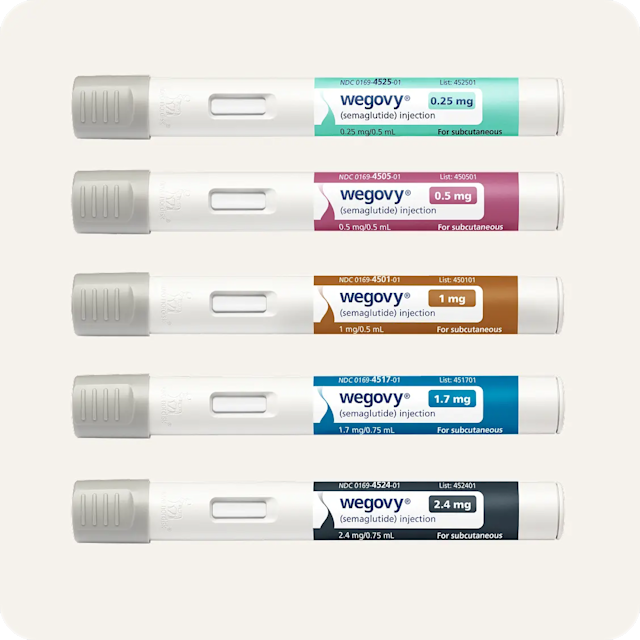
In clinical trials, adults taking tirzepatide (the active ingredient in Zepbound) alongside diet and exercise lost an average of 15% to 20.9% of their body weight over 72 weeks, depending on dose,14 and adults taking semaglutide 2.4 mg (Wegovy) lost an average of 14.9% over 68 weeks.15 These medications are prescription-only, are meant to be used with a reduced-calorie diet and physical activity, and are not right for everyone. Read up on GLP-1 side effects before you decide.
A Roen provider can review your health history and tell you whether Zepbound, Wegovy, or another option is appropriate for you.
Whatever approach you choose, the habits that create the deficit are the same ones that maintain the result. People who keep weight off long term tend to stay active, keep eating patterns consistent, and track their weight regularly.16
Page last updated November 16, 2026.




 Roen members

Every Roen member is evaluated by a licensed healthcare provider who reviews your health history, your goals, and any medications you take before recommending treatment. If a GLP-1 is appropriate, your provider prescribes it, adjusts your dose over time, and stays available for questions as you go.
Individual experiences vary.

“I had a lot of questions about starting Zepbound, and I appreciated having someone take the time to walk me through them. My provider explained the plan and helped me understand what to expect.”

“What stood out to me was how thorough the conversation was. My provider reviewed my health history and talked through Mounjaro, including potential side effects and follow-up care.”

“My biggest concern was knowing who to turn to if I had questions after starting Wegovy. Having the follow-up process explained from the beginning helped me feel more prepared.”

“Before considering Ozempic, I wanted a clear picture of what treatment would involve. Being able to ask questions in everyday language made the whole process feel much more comfortable.”

“I wanted to understand whether tirzepatide made sense for me, so I came to my provider with plenty of questions. I appreciated feeling involved in the decision instead of feeling rushed.”

“My biggest question about semaglutide was what ongoing care would look like. We discussed follow-up check-ins, potential side effects, and when to contact the care team.”
Roen providers prescribe both brand-name and compounded GLP-1s. Your provider helps you choose based on your health history, coverage, and budget.
tirzepatide · weekly injection
As low as $25/mo if your insurance covers it*
semaglutide · weekly injection
As low as $25/mo if your insurance covers it*
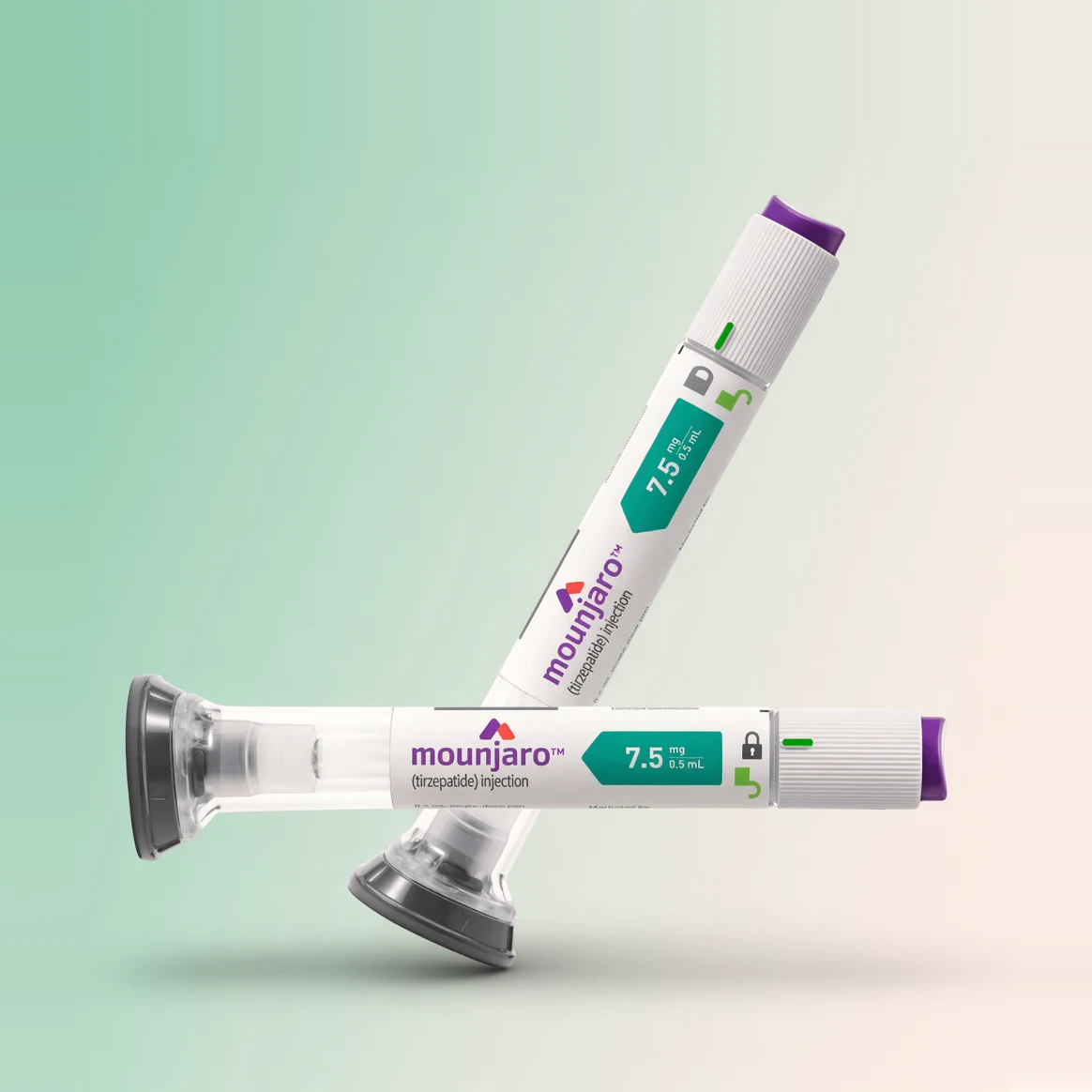
tirzepatide · weekly injection
As low as $25/mo if your insurance covers it*†
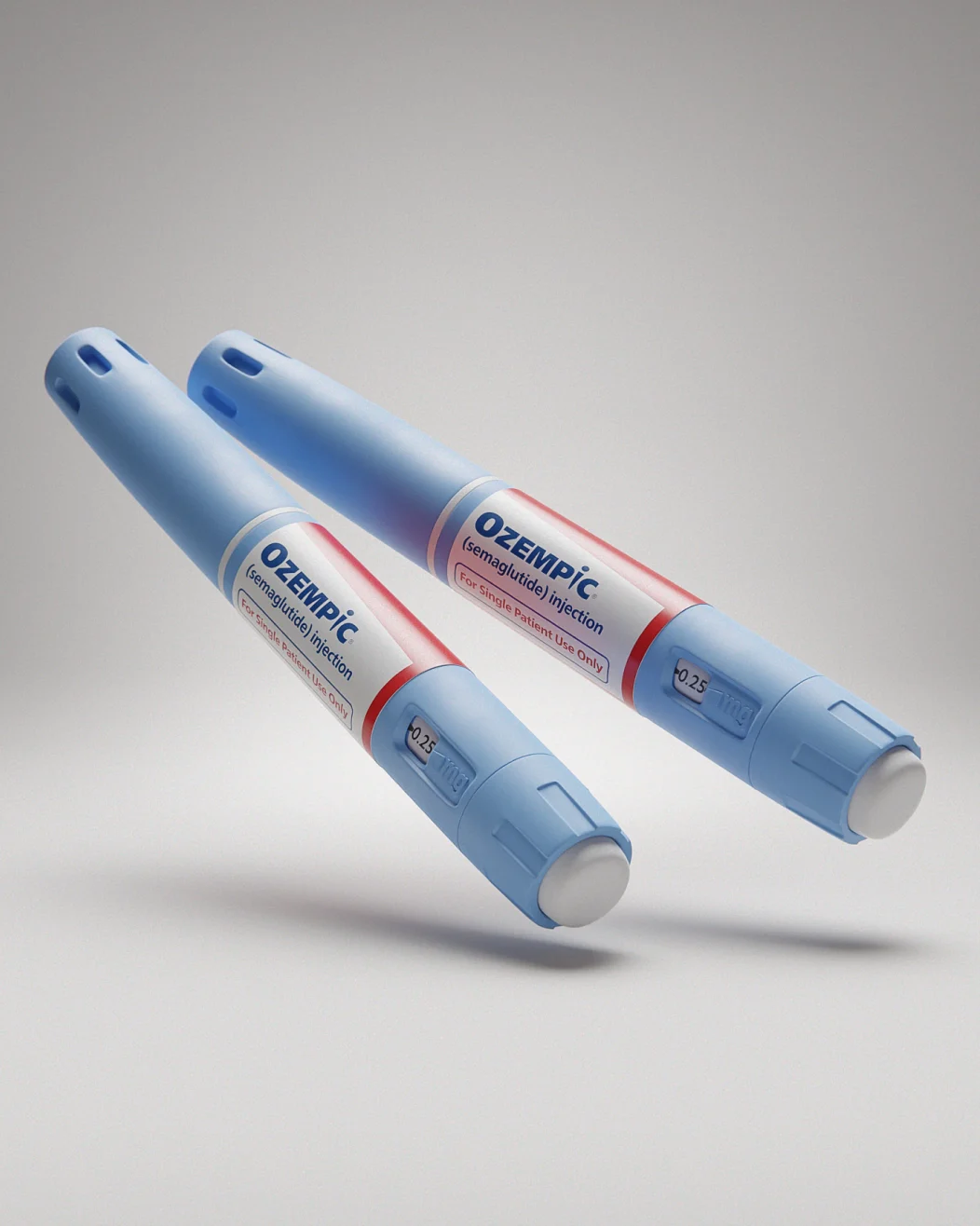
semaglutide · weekly injection
As low as $25/mo if your insurance covers it*†
weekly injection · partner pharmacy

$199/mo, or $106/mo on a 3-month supply‡
weekly injection · partner pharmacy
$329/mo, or $216/mo on a quarterly plan‡
*Brand-name pricing as low as $25 a month applies when your commercial insurance covers the medication; actual cost depends on your plan and on manufacturer savings terms, which can change. †Mounjaro and Ozempic are FDA-approved for type 2 diabetes, not for weight loss; a provider may prescribe them off-label when appropriate. ‡Compounded medications are not FDA-approved and have not been evaluated by the FDA for safety, effectiveness, or quality. Compounded pricing shown is for medication only. §Roen membership is $39 for the first month, then $135 a month. Medication is billed separately.
GLP-1 medications carry a boxed warning about the risk of thyroid C-cell tumors and can cause serious side effects. See the important safety information for Zepbound, Wegovy, Mounjaro, Ozempic, semaglutide, and tirzepatide.
Zepbound® and Mounjaro® are registered trademarks of Eli Lilly and Company. Ozempic® and Wegovy® are registered trademarks of Novo Nordisk A/S. Roen is not affiliated with or endorsed by these companies. Prescriptions are issued only after a licensed provider determines that treatment is appropriate. This page is for general information and is not medical advice.