Brand nameInsurance checked for you
Zepbound®
tirzepatide · weekly injection
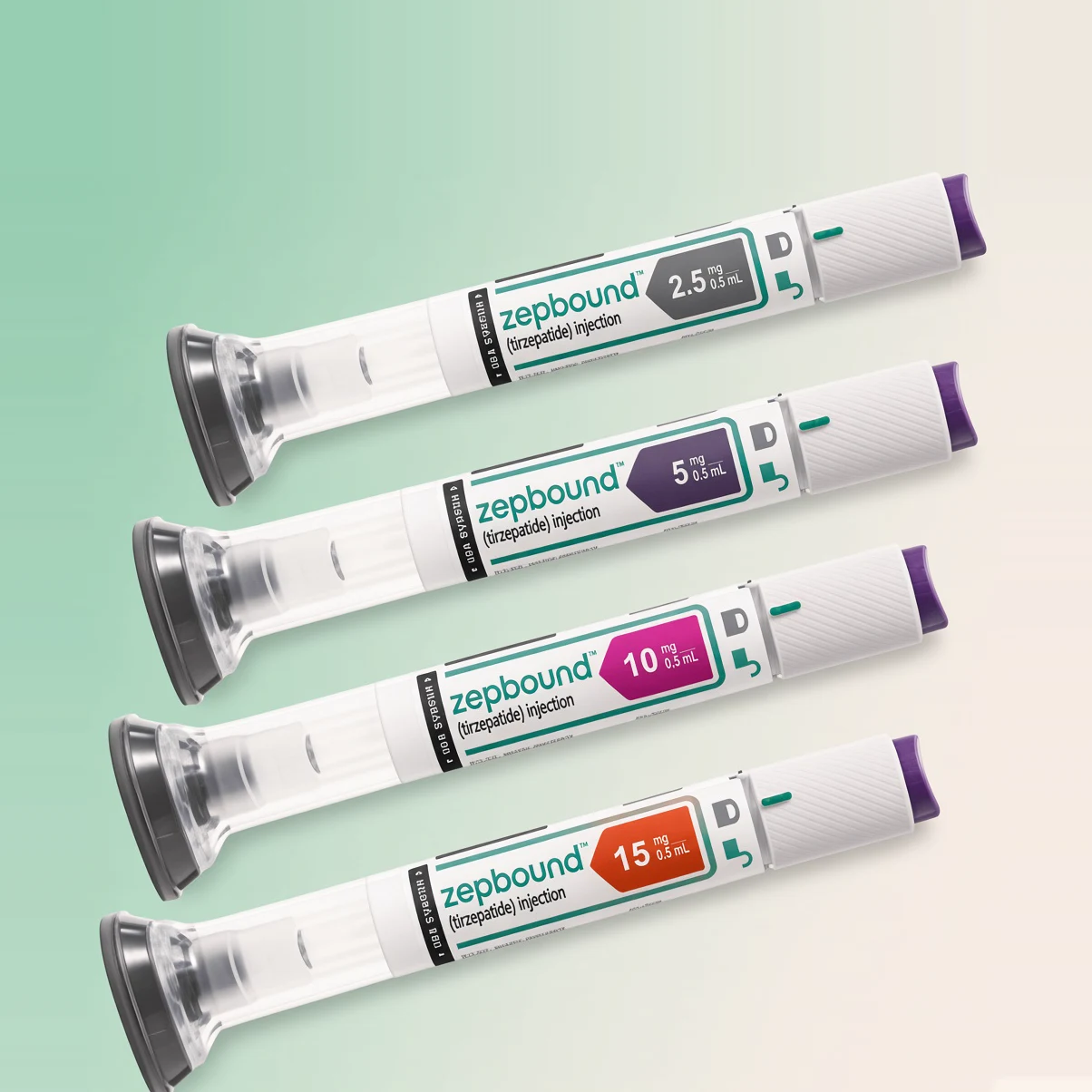
As low as $25/mo if your insurance covers it*

Basal metabolic rate (BMR) is the energy your body needs at rest to run the basics, including breathing. It is a useful starting point for a nutrition or weight loss plan. Enter your details to estimate yours.
0
Cal Daily
Enter your details and select Calculate. The number shown is a preview until then.
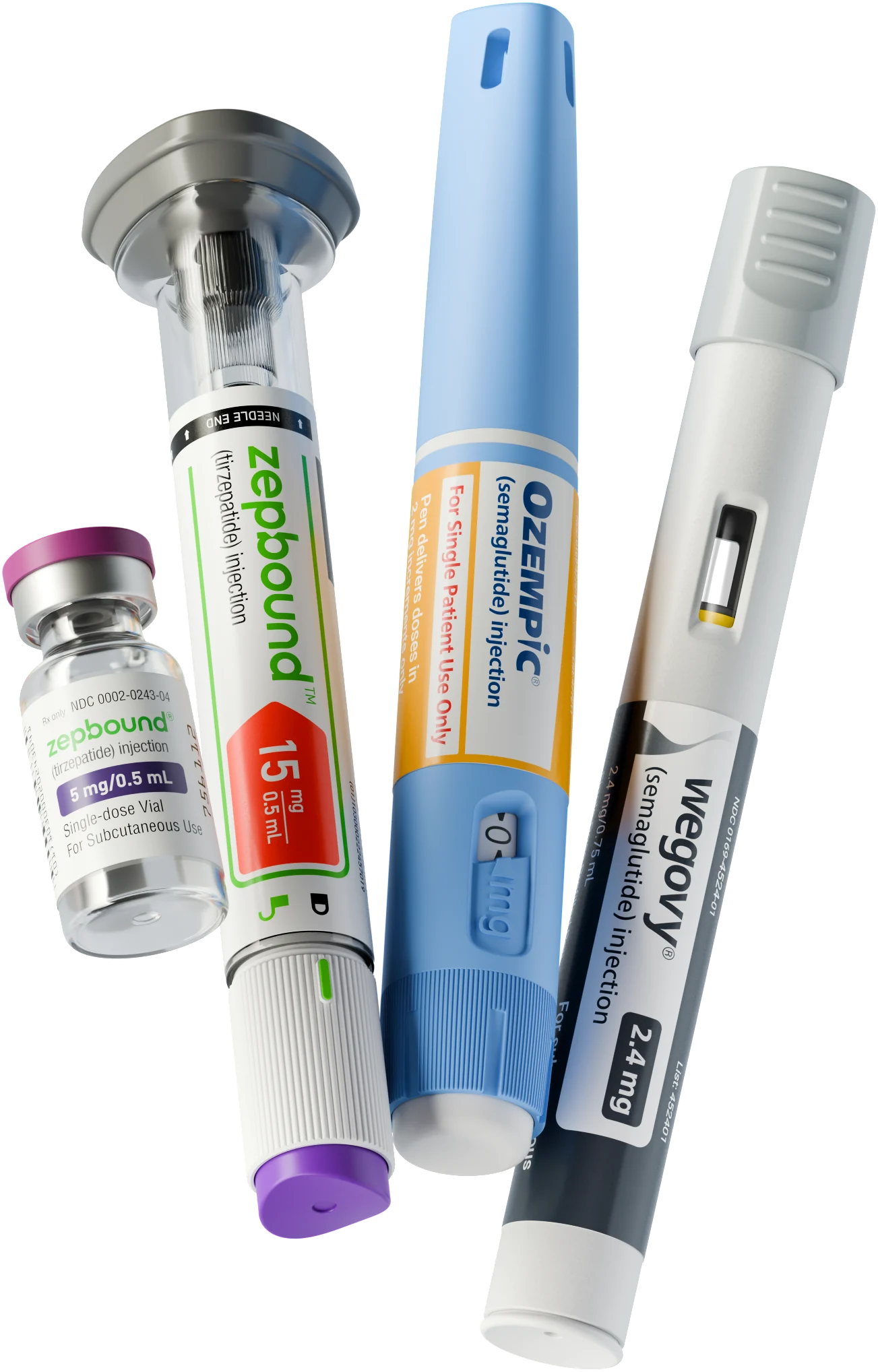
Find out if our weight loss treatments are right for you and whether your insurance will cover them.
Basal metabolic rate (BMR) is the number of calories your body burns at complete rest, just to stay alive. If you stayed in bed all day and ate nothing, this is the energy that would still go to breathing, circulating blood, keeping your temperature steady, and repairing cells.
Think of it as your baseline. For a mostly sedentary adult it is the largest share of total daily energy expenditure (TDEE), about 60%.1 Walking, exercise, and digesting food sit on top of that number. They do not replace it.
Several things move BMR up or down:
Knowing the number is a starting point for a nutrition plan. It is not a diagnosis, and it is not enough on its own to decide on treatment. A licensed provider looks at your health history before recommending anything, including a GLP-1 such as Zepbound or Wegovy.
BMR is estimated from age, sex, weight, and height. Two equations show up most often: Harris-Benedict and Mifflin-St Jeor. This calculator uses Mifflin-St Jeor, which was built from measurements of several hundred healthy adults and is one of the most widely used today.4
Men: (10 × weight in kg) + (6.25 × height in cm) − (5 × age) + 5
Women: (10 × weight in kg) + (6.25 × height in cm) − (5 × age) − 161
The form takes pounds, feet, and inches. The calculator converts weight with pounds ÷ 2.205 and height with total inches × 2.54, then rounds the result to the nearest calorie. A blank inches field counts as zero. A weight with a decimal uses the whole number of pounds only.
Example: a 35-year-old woman who weighs 160 lb and is 5’6” is 72.56 kg and 167.64 cm. The equation gives (10 × 72.56) + (6.25 × 167.64) − (5 × 35) − 161, which the calculator rounds to 1,437 calories a day.
An equation describes an average person with your measurements. A lab measurement of your own oxygen use would be closer, and day to day your true burn still moves with sleep, hormones, and what you did yesterday.
There is no single normal BMR. The number is specific to your body. Age, sex, weight, height, muscle, and hormone levels all change it, so a result that looks high next to a friend’s can be exactly what your size predicts.
Larger bodies and bodies with more lean mass sit higher. Smaller bodies and older adults often sit lower. Those are descriptions, not grades. A BMR above or below someone else’s is not, by itself, a sign that something is wrong.
Published averages exist because researchers measured groups of adults, but those averages are not targets. Use your own result as a baseline, then look at the rest of the day: movement, food, and how your weight actually changes over a few weeks.
Your BMR is the calorie cost of keeping your heart beating, your lungs breathing, and your cells working while you do nothing else. It is unique to you.
A higher BMR generally means your body spends more energy at rest. That often tracks with a larger body, more muscle, or a younger age. A lower BMR generally means basic functions cost fewer calories. That is common with a smaller body, less muscle, older age, or some hormonal conditions, including low thyroid activity.2,3
A few limits are worth keeping in view:
BMR is a baseline. It leaves out most of what determines your weight and your health.
BMR tells you the minimum your body spends at rest. Weight loss depends on the full day, so the resting number is step one, not the calorie target itself.
The result above is your resting calorie burn. Do not eat at that number. Eating at your BMR would ignore walking, work, and the energy it takes to digest food, and it would put many people under a safe intake.
Multiply BMR by an activity factor to estimate the calories you burn in a full day. Pick the row that describes a typical week, including your job, not your most ambitious week. Our TDEE calculator does this for you.
| Activity level | What it looks like | Multiplier |
|---|---|---|
| Sedentary | Desk job, little or no planned exercise | BMR × 1.2 |
| Light | Light exercise or walking 1 to 3 days a week | BMR × 1.375 |
| Moderate | Moderate exercise 3 to 5 days a week | BMR × 1.55 |
| Very active | Hard exercise 6 to 7 days a week | BMR × 1.725 |
| Extremely active | Physical job plus training, or twice-a-day workouts | BMR × 1.9 |
Weight goes down when you burn more than you eat, consistently. A common range is about 500 to 1,000 calories a day below your TDEE, which lines up with roughly one to two pounds a week.5 As a floor, women should not eat fewer than 1,200 calories a day and men should not eat fewer than 1,500 unless a clinician is supervising.5
The calorie deficit calculator turns a TDEE into a daily target and a rough timeline. Everyone’s safe deficit is different, and a healthcare provider is the right person to set one if you have a medical condition.
A smaller body burns fewer calories at rest, and the drop can be a bit larger than the change in size alone. That is one reason loss slows even when you keep eating the same amount.6 Run the numbers again every 10 pounds or so, and adjust the target.
Strength training helps you keep the muscle that supports BMR while you lose fat. The CDC recommends at least 150 minutes of moderate activity a week, plus muscle-strengthening work on two or more days.7 Everyday movement counts too: walking, stairs, and standing add calories on top of BMR without asking you to eat less.
In one small study, drinking about 17 ounces (500 mL) of water raised metabolic rate by roughly 30% for a short time. The effect on a whole day is modest.8 The more useful swap is water in place of soda, juice, or sweetened coffee, which cuts intake without touching BMR at all.
If hunger is what keeps a deficit from sticking, prescription GLP-1 medications such as Zepbound and Wegovy reduce appetite and help you feel full sooner. They are meant to be used with a lower-calorie diet and physical activity. A licensed provider can tell you whether one is appropriate.
People use basal metabolic rate and resting metabolic rate (RMR) as if they were the same word. They are close, and they are not identical.
This page estimates BMR with an equation. It does not measure your oxygen use, and it should not be treated as a lab result. If a clinic has measured your RMR, that number and this one can differ by a few hundred calories without either one being “wrong.”
Page last updated November 17, 2026.




 Roen members

Every Roen member is evaluated by a licensed healthcare provider who reviews your health history, your goals, and any medications you take before recommending treatment. If a GLP-1 is appropriate, your provider prescribes it, adjusts your dose over time, and stays available for questions as you go.
Individual experiences vary.

“I wanted a provider to look at my health history before I considered Zepbound, rather than treating a calorie estimate as the decision. We went through the first weeks of follow-up before I signed up.”

“Asking about Mounjaro was easier once I knew I could use everyday words. The provider covered the next steps, including side effects to watch for and when to send a message.”

“I was unsure how Wegovy would be monitored after the first prescription. The provider described the check-ins and how to reach the care team before I decided.”

“I came in with a short list about Ozempic: who reviews the intake, how dosing changes, and what happens if I have a question later. Each one got a direct answer.”

“I asked whether tirzepatide was even something to discuss given my history. My provider went through that with me, and I felt included in the decision.”

“The part I cared about with semaglutide was follow-up. We covered side effects, how often we would check in, and how to get help between visits.”
Roen providers prescribe both brand-name and compounded GLP-1s. Your provider helps you choose based on your health history, coverage, and budget.
tirzepatide · weekly injection
As low as $25/mo if your insurance covers it*
semaglutide · weekly injection
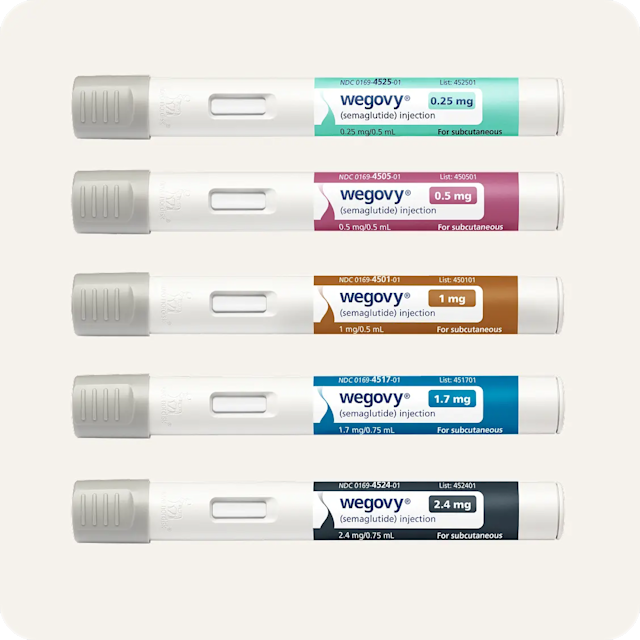
As low as $25/mo if your insurance covers it*
tirzepatide · weekly injection
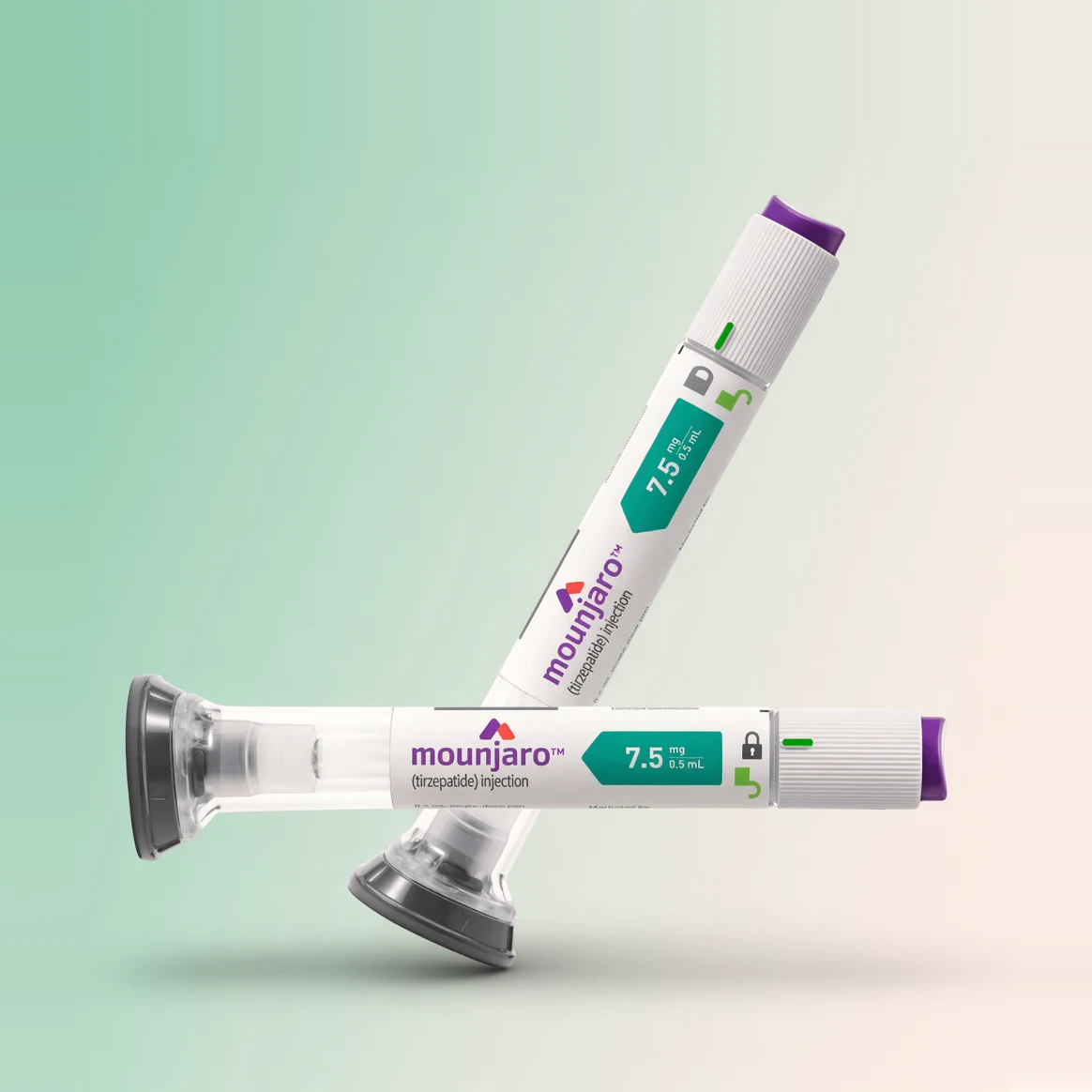
As low as $25/mo if your insurance covers it*†
semaglutide · weekly injection
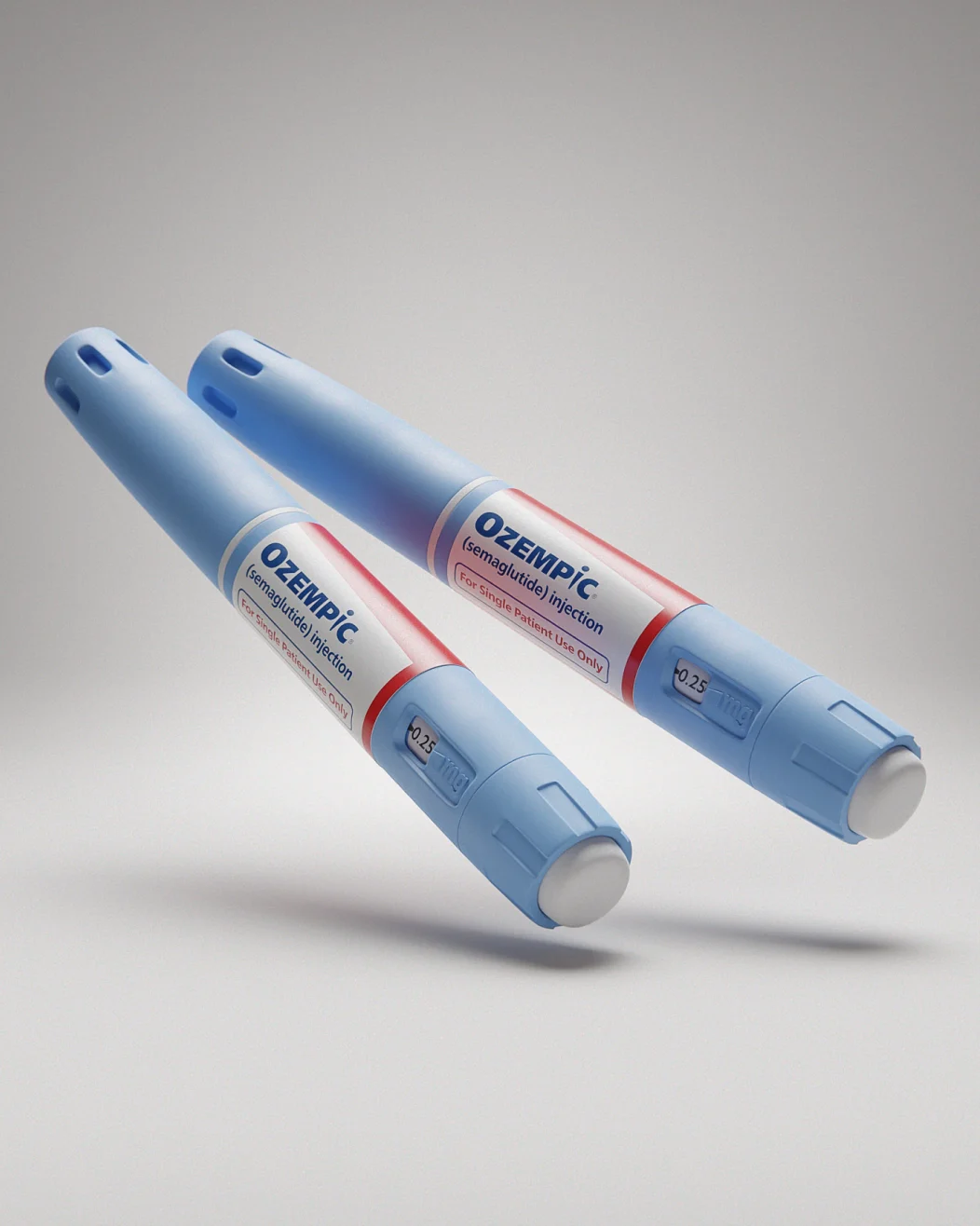
As low as $25/mo if your insurance covers it*†
weekly injection · partner pharmacy

$199/mo, or $106/mo on a 3-month supply‡
weekly injection · partner pharmacy
$329/mo, or $216/mo on a quarterly plan‡
*Brand-name pricing as low as $25 a month applies when your commercial insurance covers the medication; actual cost depends on your plan and on manufacturer savings terms, which can change. †Mounjaro and Ozempic are FDA-approved for type 2 diabetes, not for weight loss; a provider may prescribe them off-label when appropriate. ‡Compounded medications are not FDA-approved and have not been evaluated by the FDA for safety, effectiveness, or quality. Compounded pricing shown is for medication only. §Roen membership is $39 for the first month, then $135 a month. Medication is billed separately.
GLP-1 medications carry a boxed warning about the risk of thyroid C-cell tumors and can cause serious side effects. See the important safety information for Zepbound, Wegovy, Mounjaro, Ozempic, semaglutide, and tirzepatide.
Zepbound® and Mounjaro® are registered trademarks of Eli Lilly and Company. Ozempic® and Wegovy® are registered trademarks of Novo Nordisk A/S. Roen is not affiliated with or endorsed by these companies. Prescriptions are issued only after a licensed provider determines that treatment is appropriate. This page is for general information and is not medical advice.