Brand nameInsurance checked for you
Zepbound®
tirzepatide · weekly injection
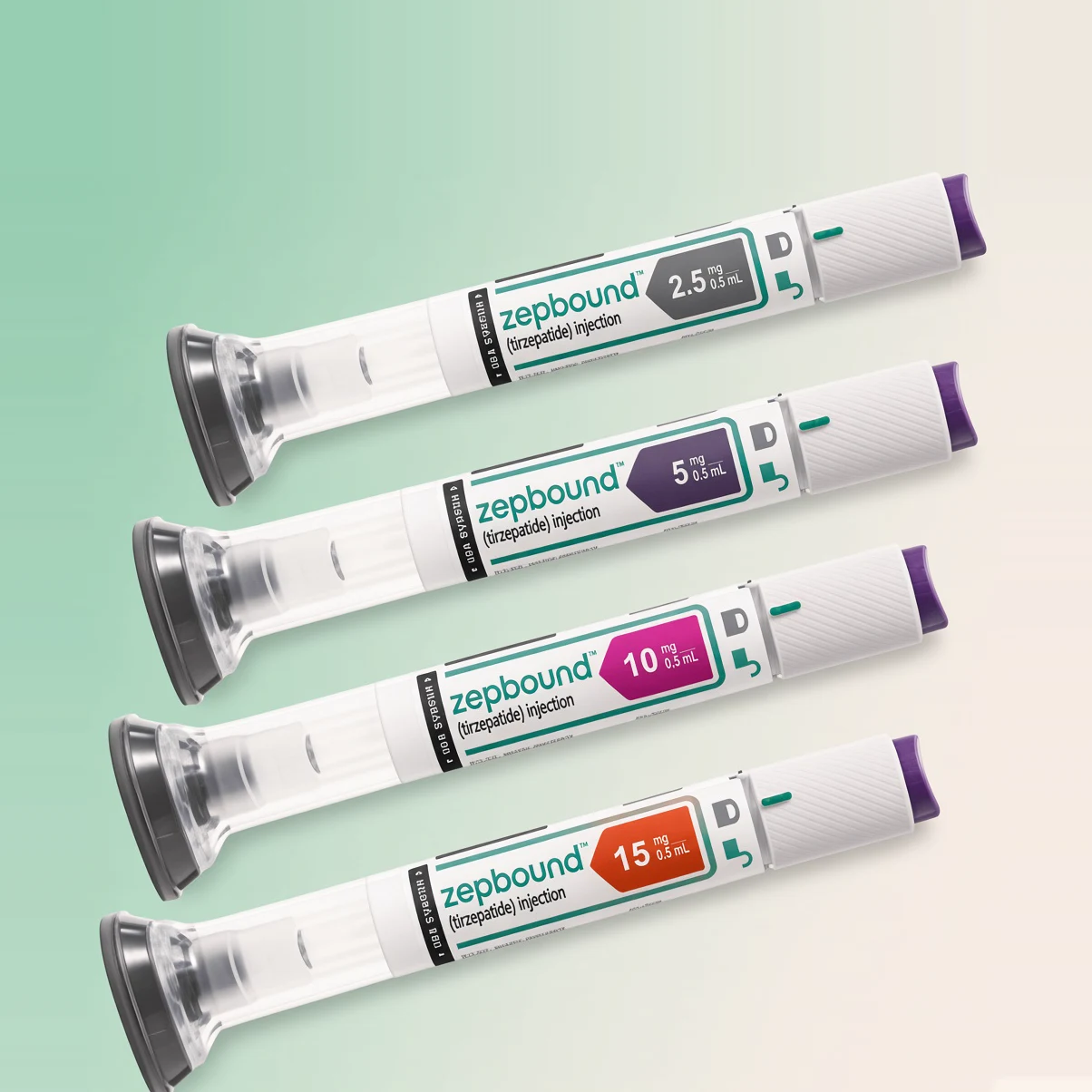
As low as $25/mo if your insurance covers it*

How much protein you need depends on your weight, how active you are, and what you are working toward. Choose a goal, enter your current weight, and pick an activity level to see a daily range and what it looks like per meal.
Recommended protein intake
0 – 0
Grams/Day
0 – 0
Grams/Meal
Choose a goal, enter your weight, pick an activity level, and select Calculate. The numbers shown are a preview until then.
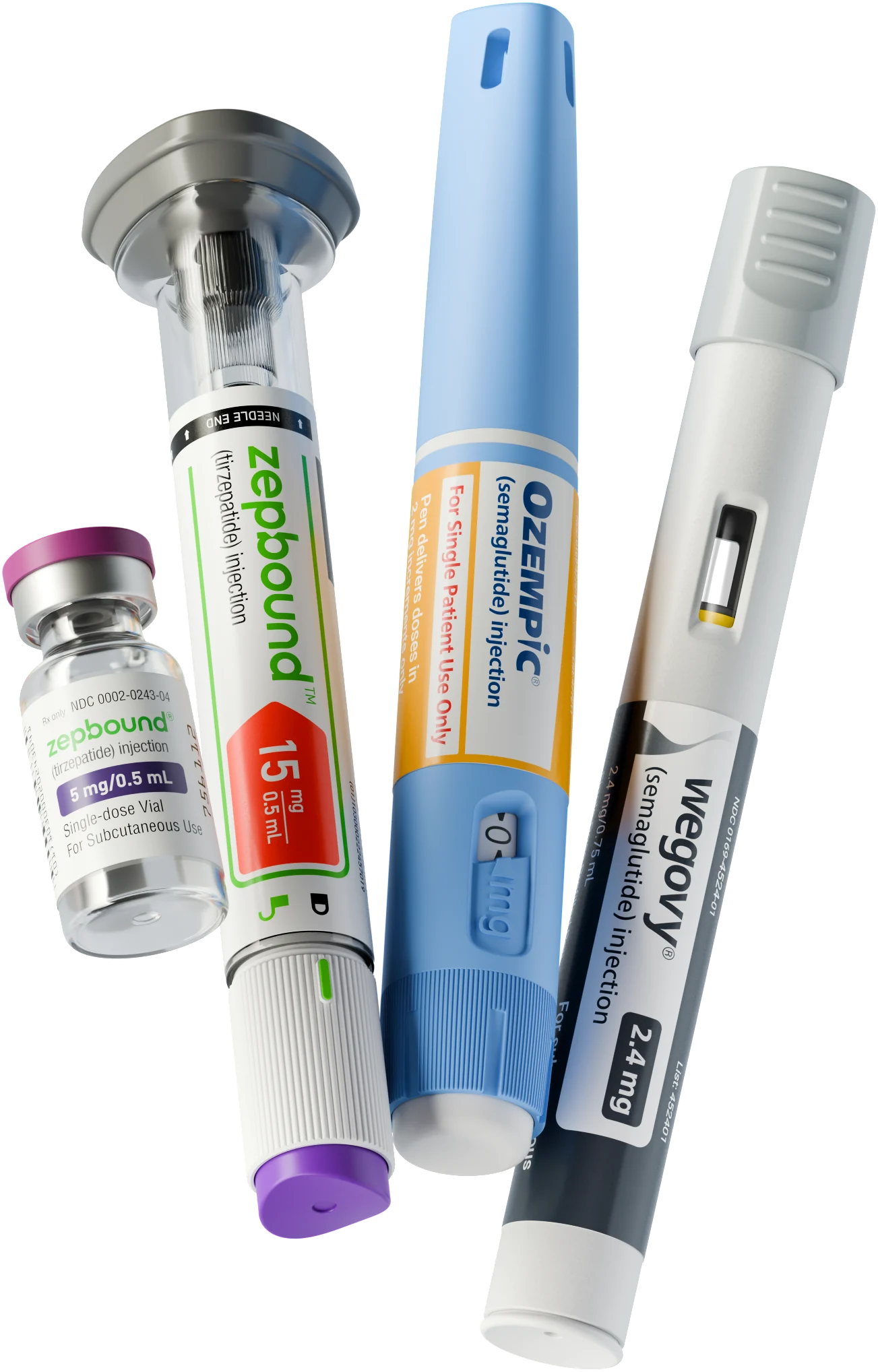
Find out if our weight loss treatments are right for you and whether your insurance will cover them.
This calculator gives a general estimate. It is not medical advice, and it does not account for your health history. Talk with a healthcare provider about a protein target that fits your health and goals.
Choose a goal, enter your current weight in whole pounds, and pick the activity level that matches a typical week. The calculator converts your weight to kilograms (pounds ÷ 2.20462) and multiplies it by a low and a high protein factor for your goal and activity level. Each end of the range is rounded to the nearest gram. The per-meal figure is the daily range divided across three meals.
Example: a 160 lb person who selects Lose weight and Moderate gets 1.4 to 1.5 grams per kilogram. 160 lb is 72.6 kg, so the result is 102 to 109 grams a day, or 34 to 36 grams per meal.
These are the factors the calculator uses, in grams of protein per kilogram of body weight per day:
| Activity level | Lose weight | Maintain weight | Build muscle |
|---|---|---|---|
| Sedentary | 1.2 to 1.3 | 0.8 to 0.9 | 1.7 to 1.8 |
| Light | 1.3 to 1.4 | 0.9 to 0.95 | 1.8 to 1.9 |
| Moderate | 1.4 to 1.5 | 0.95 to 1.0 | 1.9 to 2.0 |
| Very active | 1.5 to 1.6 | 1.0 to 1.1 | 2.0 to 2.1 |
| Extremely active | 1.6 to 1.7 | 1.1 to 1.2 | 2.1 to 2.2 |
| Activity level | What it looks like |
|---|---|
| Sedentary | Desk job, little or no planned exercise |
| Light | Light exercise or walking 1 to 3 days a week |
| Moderate | Moderate exercise 3 to 5 days a week |
| Very active | Hard exercise 6 to 7 days a week |
| Extremely active | Physical job plus training, or twice-a-day workouts |
Pick the level that describes most weeks, including your job, not your most active week.
Protein does not cause weight loss by itself. Weight comes down when you eat fewer calories than you burn. What protein does is make that deficit easier to keep, and it improves what the lost weight is made of.
For the calorie side of the plan, the TDEE calculator estimates what you burn in a day and the calorie deficit calculator turns that into a daily target.
The Recommended Dietary Allowance (RDA) for protein is 0.8 grams per kilogram of body weight a day. It is set for a healthy adult with minimal physical activity, so treat it as a floor, not a weight loss target.4
For weight management, a review of the research points to 1.2 to 1.6 grams per kilogram a day, with at least 25 to 30 grams at each meal.3 The Lose weight setting in this calculator covers 1.2 to 1.7 grams per kilogram, depending on activity level.
| Body weight | RDA (0.8 g/kg) | 1.2 to 1.6 g/kg |
|---|---|---|
| 130 lb (59 kg) | 47 g | 71 to 94 g a day |
| 150 lb (68 kg) | 54 g | 82 to 109 g a day |
| 180 lb (82 kg) | 65 g | 98 to 131 g a day |
| 200 lb (91 kg) | 73 g | 109 to 145 g a day |
| 250 lb (113 kg) | 91 g | 136 to 181 g a day |
The calculator uses your current weight. If you have a lot of weight to lose, that can produce a high number, and a provider or dietitian may set your target from a goal weight instead.
Yes, although most people are nowhere near it. One widely cited review concluded that long-term intake of 2 grams per kilogram a day is safe for healthy adults, and that 3.5 grams per kilogram is the tolerable upper limit for people who are well adapted to a high intake. It advises against staying above 2 grams per kilogram for long periods, because that may lead to digestive, kidney, and blood vessel problems.4
The highest factor this calculator uses is 2.2 grams per kilogram, for Build muscle at Extremely Active. That sits a little above the 2 gram mark and is meant for people who train hard. In trials of resistance training, intakes above about 1.6 grams per kilogram did not add further muscle.5
Two practical points:
Resistance exercise and protein each stimulate the body to build muscle protein, and the two work better together than either does alone.6 Training is the signal. Protein supplies the amino acids used to repair and add muscle tissue afterward.
How you spread protein across the day matters as well. The International Society of Sports Nutrition gives a general recommendation of 20 to 40 grams of high-quality protein per serving, or about 0.25 grams per kilogram of body weight.6 Another review suggests about 0.4 grams per kilogram per meal across at least four meals, which adds up to 1.6 grams per kilogram for the day.7
This calculator divides your daily range across three meals. If you eat four times a day, each meal can be a little smaller.
A meta-analysis of 49 trials found that added protein increased the muscle and strength gained from resistance training, and that the benefit leveled off at a total intake of about 1.6 grams per kilogram a day.5 The International Society of Sports Nutrition gives 1.4 to 2.0 grams per kilogram a day as enough for most people who exercise.6
The Build muscle setting in this calculator runs from 1.7 to 2.2 grams per kilogram, depending on activity level. For a 150 lb (68 kg) person, 1.6 to 2.2 grams per kilogram works out to about 109 to 150 grams a day.
If your intake is already in that range, more protein is unlikely to add more muscle. Protein supports training. It does not replace it.
Protein has 4 calories per gram, so you can turn the grams from the calculator into a share of your daily calories.
(grams of protein × 4) ÷ total daily calories
The acceptable range for adults is 10% to 35% of calories from protein.8 During weight loss you eat fewer calories while holding protein steady or raising it, so the share moves toward the upper part of that range.
Example: 105 grams of protein is 420 calories. On 1,600 calories a day, that is 26% of calories.
| Daily calories | Calories from 100 g of protein | Share of calories |
|---|---|---|
| 1,400 | 400 | 29% |
| 1,600 | 400 | 25% |
| 1,800 | 400 | 22% |
| 2,000 | 400 | 20% |
Set the grams first, from your body weight. The percentage is a check on the plan, not the target. For the calorie number, use the TDEE calculator and the calorie deficit calculator.
When the goal is muscle, you usually eat at or above your maintenance calories. The same grams of protein then make up a smaller share of the total, even when the amount itself is higher.
Example: a 160 lb person who selects Build muscle and Moderate gets 138 to 145 grams a day. That is 552 to 580 calories, or 21% to 22% of a 2,600-calorie day.
The rest of your calories come from carbohydrate and fat, which fuel training. A percentage that looks low is not a problem as long as the grams are in range.
During weight loss, the most useful protein foods give you a lot of protein for the calories. The amounts below are grams of protein per 100 grams of food (about 3.5 ounces), from USDA FoodData Central.9
| Food | Protein per 100 g |
|---|---|
| Chicken breast, skinless, grilled | 30.5 g |
| Turkey breast, roasted | 30.1 g |
| Salmon, Atlantic, farmed, cooked | 22.1 g |
| Eggs, hard-boiled | 12.6 g |
| Edamame, frozen, prepared | 11.9 g |
| Cottage cheese, 2% milkfat | 10.4 g |
| Greek yogurt, plain, low-fat | 10.0 g |
| Lentils, boiled | 9.0 g |
| Tofu, firm | 9.0 g |
The Dietary Guidelines for Americans recommend getting protein from a variety of foods, including seafood, lean meat and poultry, eggs, beans, peas, lentils, nuts, seeds, and soy products.8 As the table shows, most plant sources have less protein per 100 grams, so portions need to be larger to reach the same total.
A snack with 10 to 20 grams of protein can close the gap between meals. Using the USDA values above:9
Protein shakes, jerky, roasted chickpeas, and nuts also work. The protein in packaged snacks varies by brand, so check the label. Nuts are high in calories for the protein they provide, so watch the portion.
One hundred grams sounds like a lot until you spread it across three meals. Here is one way to get there with the foods above.
| Meal | What is on the plate | Protein |
|---|---|---|
| Breakfast | Two hard-boiled eggs and a 170 g container of plain low-fat Greek yogurt | 29.5 g |
| Lunch | 100 g of grilled chicken breast with 100 g of boiled lentils | 39.5 g |
| Dinner | 120 g of cooked salmon with 100 g of edamame | 38.4 g |
| Total | 107.4 g |
Grains, vegetables, and snacks add more on top. If your target is higher, increase the portions or add a fourth protein serving.
GLP-1 medications such as Zepbound and Wegovy reduce appetite and help you feel full sooner. When you are eating less overall, it is easy to eat less protein without noticing, so it helps to plan the protein part of each meal first.
Higher-protein eating during a calorie deficit helps preserve lean mass,3 and strength training supports the same goal. These medications are meant to be used with a reduced-calorie diet and physical activity.
A calculator cannot tell you whether a GLP-1 is right for you. A licensed Roen provider reviews your health history, your goals, and the medications you take before recommending treatment, and you can message your provider with questions as you go.
More tools: the BMR calculator, the TDEE calculator, the calorie deficit calculator, and the BMI calculator.
Page last updated November 17, 2026.




 Roen members

Every Roen member is evaluated by a licensed healthcare provider who reviews your health history, your goals, and any medications you take before recommending treatment. If a GLP-1 is appropriate, your provider prescribes it, adjusts your dose over time, and stays available for questions as you go.
Individual experiences vary.

“Before I asked about Zepbound, I wrote down what I eat in a normal week. My provider read it alongside my health history and explained what the first month of treatment would involve.”

“I asked how Mounjaro would fit with the way I already eat and train. The provider answered in plain terms and told me which side effects are worth sending a message about.”

“I did not want to start Wegovy without knowing who I could ask about side effects. The care team explained how messaging works before I made a decision.”

“My questions about Ozempic were mostly practical: how the dose changes over time and how often someone checks in. Each one got a clear answer.”

“I brought up tirzepatide expecting a quick yes or no. My provider went through my history and the medications I take first, which is what I wanted.”

“With semaglutide, I cared most about what happens after the first prescription. We covered follow-up, side effects to watch for, and how to reach someone between check-ins.”
Roen providers prescribe both brand-name and compounded GLP-1s. Your provider helps you choose based on your health history, coverage, and budget.
tirzepatide · weekly injection
As low as $25/mo if your insurance covers it*
semaglutide · weekly injection
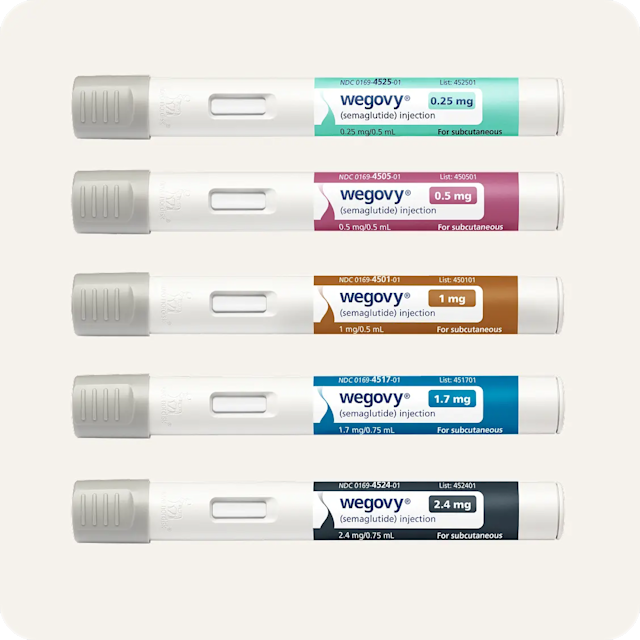
As low as $25/mo if your insurance covers it*
tirzepatide · weekly injection
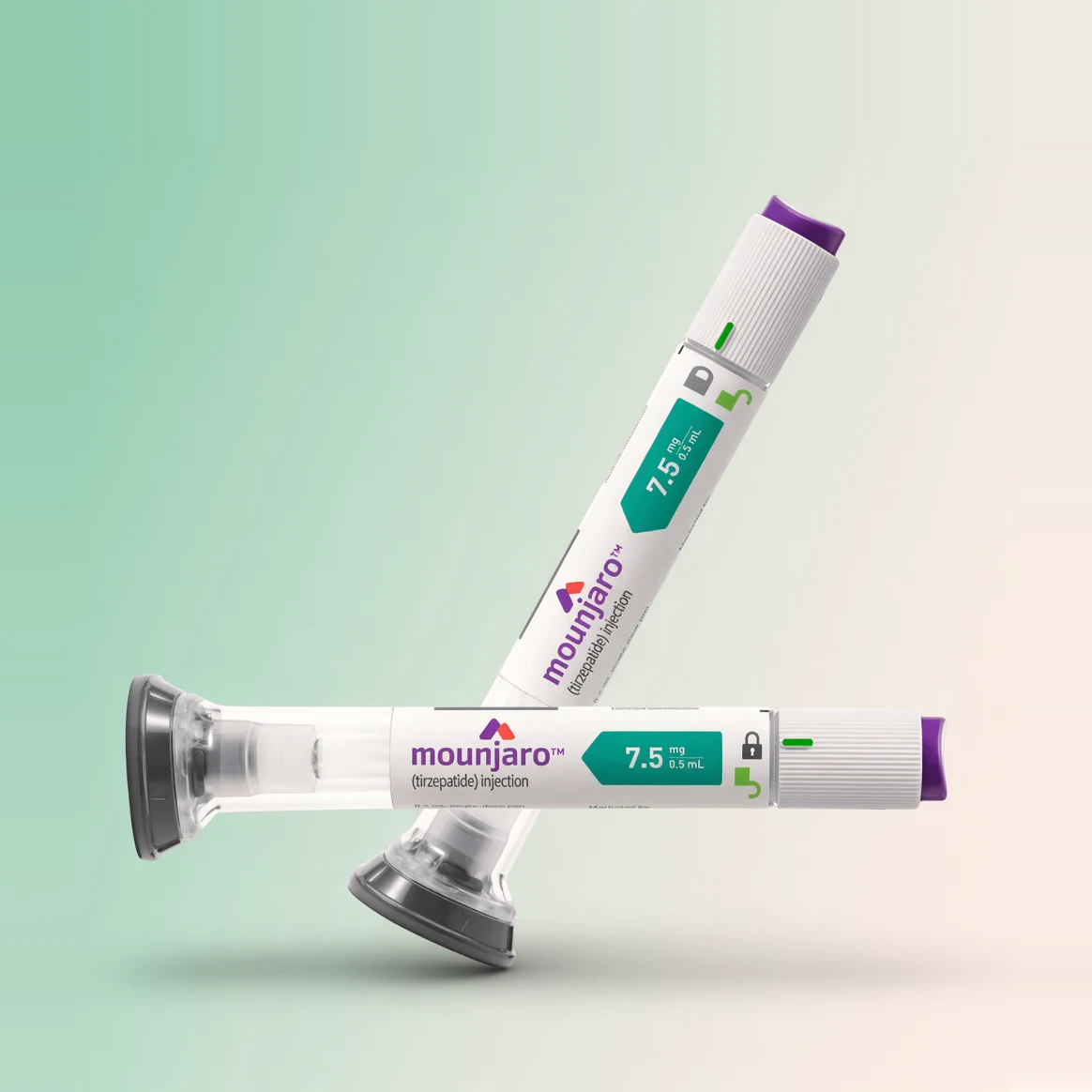
As low as $25/mo if your insurance covers it*†
semaglutide · weekly injection
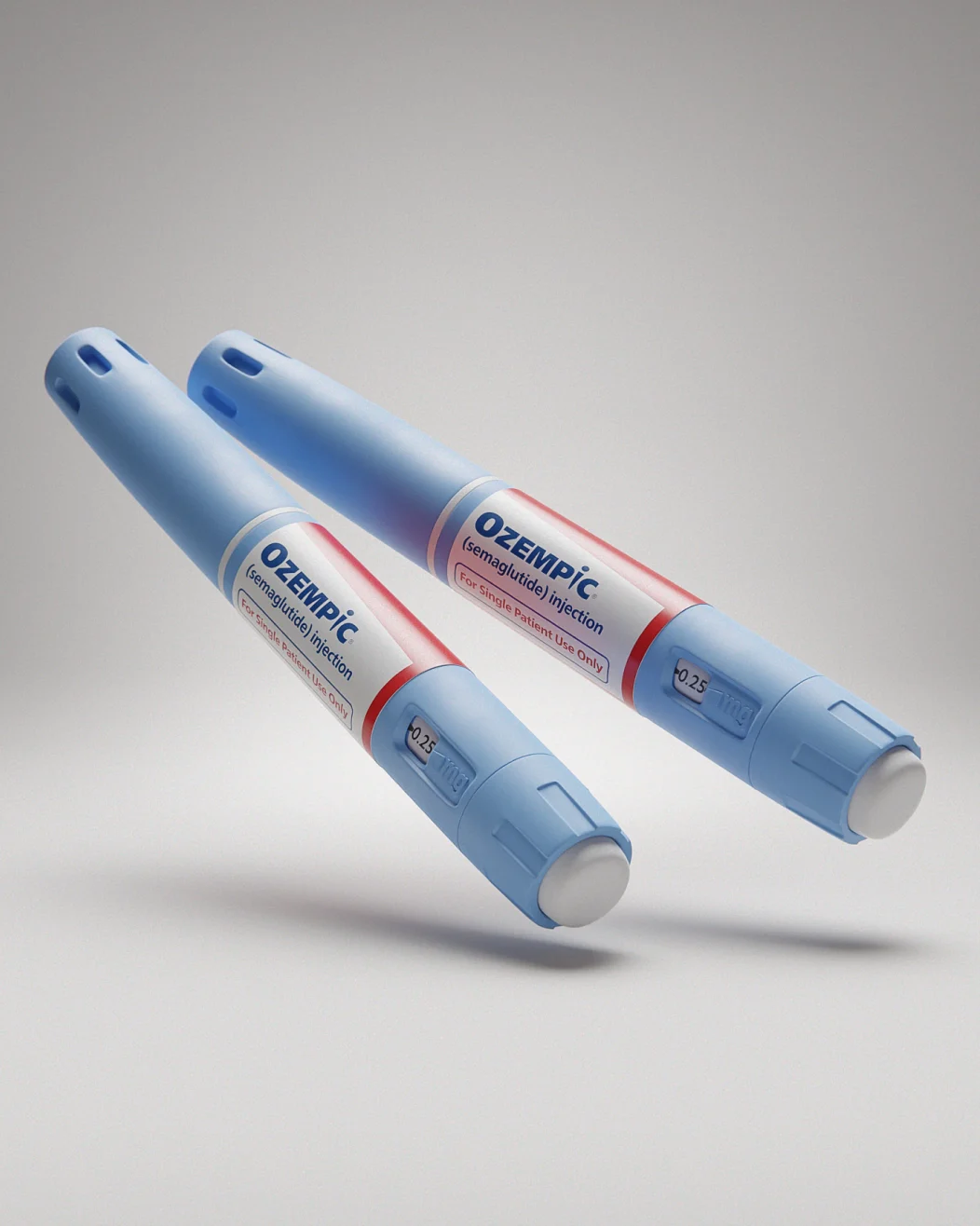
As low as $25/mo if your insurance covers it*†
weekly injection · partner pharmacy
$199/mo, or $106/mo on a 3-month supply‡
weekly injection · partner pharmacy
$329/mo, or $216/mo on a quarterly plan‡
*Brand-name pricing as low as $25 a month applies when your commercial insurance covers the medication; actual cost depends on your plan and on manufacturer savings terms, which can change. †Mounjaro and Ozempic are FDA-approved for type 2 diabetes, not for weight loss; a provider may prescribe them off-label when appropriate. ‡Compounded medications are not FDA-approved and have not been evaluated by the FDA for safety, effectiveness, or quality. Compounded pricing shown is for medication only. §Roen membership is $39 for the first month, then $135 a month. Medication is billed separately.
GLP-1 medications carry a boxed warning about the risk of thyroid C-cell tumors and can cause serious side effects. See the important safety information for Zepbound, Wegovy, Mounjaro, Ozempic, semaglutide, and tirzepatide.
Zepbound® and Mounjaro® are registered trademarks of Eli Lilly and Company. Ozempic® and Wegovy® are registered trademarks of Novo Nordisk A/S. Roen is not affiliated with or endorsed by these companies. Prescriptions are issued only after a licensed provider determines that treatment is appropriate. This page is for general information and is not medical advice.