Brand nameInsurance checked for you
Zepbound®
tirzepatide · weekly injection
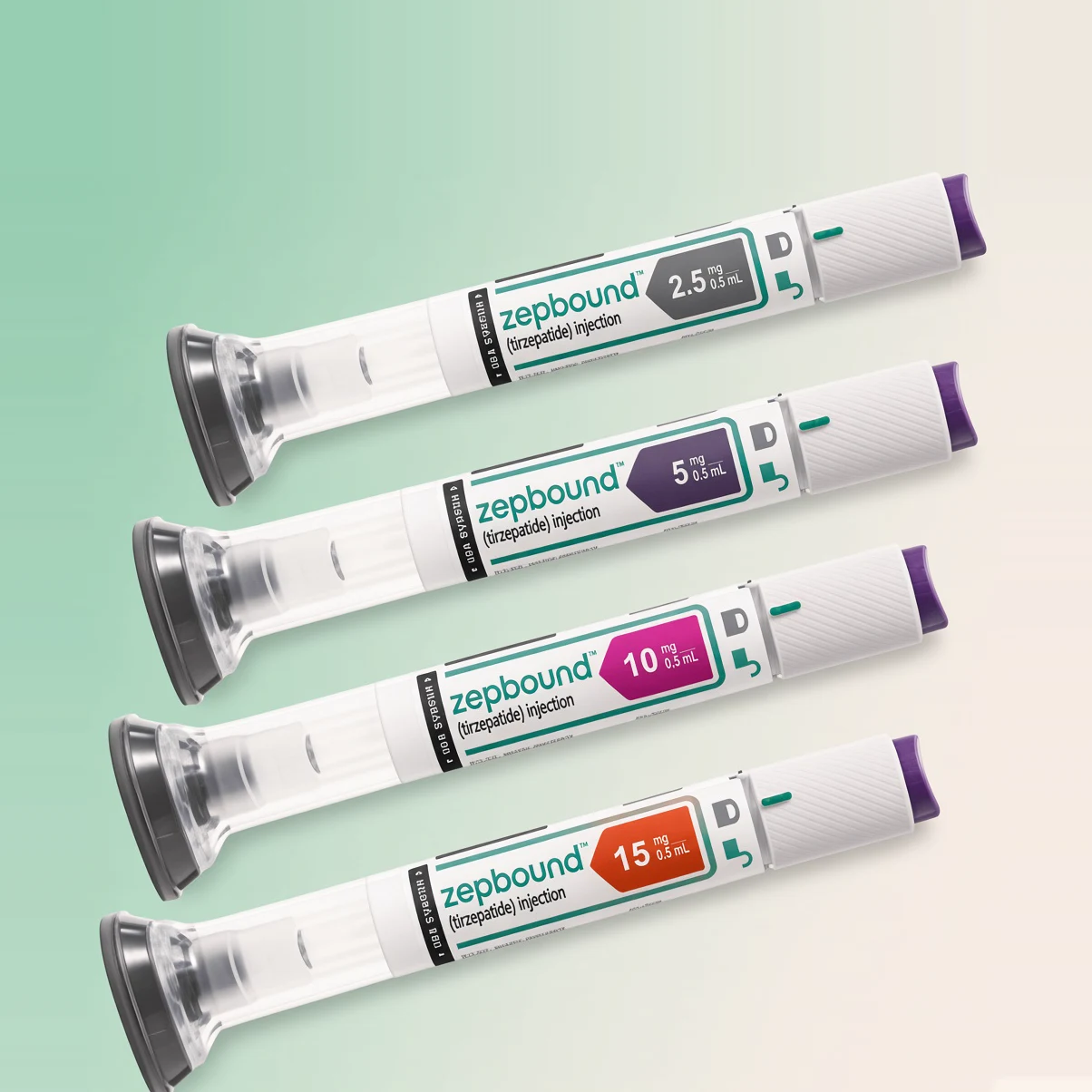
As low as $25/mo if your insurance covers it*

Total daily energy expenditure (TDEE) is the number of calories you burn in a day, based on your age, sex, height, weight, and activity level. Knowing it tells you how much to eat to maintain, lose, or gain weight.
Your TDEE: maintain your current weight
----cal daily
Lose one pound per week
----cal daily
Calories you burn at rest (BMR)
----cal daily
Find out if GLP-1 weight loss treatment is right for you, and whether your insurance will cover it.
This TDEE calculator is for informational purposes only and is not a substitute for medical advice. Results are estimates based on standard equations, and individual needs vary. Talk with a healthcare provider before changing your diet or exercise routine. Eating fewer than 1,200 calories a day (women) or 1,500 calories a day (men) is not recommended without medical supervision. This tool is intended for adults 18 and older and is not appropriate during pregnancy or breastfeeding.
Total daily energy expenditure (TDEE) is an estimate of all the calories your body burns in 24 hours. It covers everything from keeping your heart beating while you sleep to digesting lunch to walking the dog.
TDEE is usually broken into three parts: your basal metabolic rate, the energy you spend on physical activity, and the energy it takes to digest food.1
Approximate shares for a mostly sedentary adult.1,3 Your own split depends on your body and how much you move.
To calculate your TDEE, estimate your BMR and multiply it by a number that reflects how active you are. The calculator above does this for you, and here is the math behind it.
Several equations can estimate BMR. This calculator uses the Mifflin-St Jeor equation, which was developed from measurements of several hundred adults and is one of the most widely used today.4 For the resting number on its own, see our BMR calculator.
Men: (10 × weight in kg) + (6.25 × height in cm) − (5 × age) + 5
Women: (10 × weight in kg) + (6.25 × height in cm) − (5 × age) − 161
If you enter a body fat percentage, the calculator uses the Katch-McArdle formula instead, which works from lean body mass: 370 + (21.6 × lean body mass in kg).
Think about a typical week, including your job and your time outside of work, and pick the description that fits best. Most people overestimate, so when you are between two levels, choose the lower one.
| Activity level | What it looks like | Multiplier |
|---|---|---|
| Sedentary | Desk job, little or no planned exercise | BMR × 1.2 |
| Light | Light exercise or walking 1 to 3 days a week | BMR × 1.375 |
| Moderate | Moderate exercise 3 to 5 days a week | BMR × 1.55 |
| Very active | Hard exercise 6 to 7 days a week | BMR × 1.725 |
| Extremely active | Physical job plus training, or twice-a-day workouts | BMR × 1.9 |
The result is your TDEE: the calories you would eat each day to keep your weight where it is.
Example: a 35-year-old man who is 5’10”, weighs 220 lbs, and is moderately active has a BMR of about 1,939 calories. Multiplied by 1.55, his TDEE is about 3,006 calories a day.
Treat the number as a starting estimate. Equations describe averages, and real bodies vary. The best check is your own scale: if you eat at your estimated TDEE for two or three weeks and your weight drifts up or down, adjust the number to match.
Your TDEE is your break-even point. Eat about that many calories and your weight holds steady. Eat more and the extra is stored. Eat less and your body covers the gap from stored energy, which is how weight loss happens.
That makes TDEE the starting number for any weight loss plan. A common rule of thumb is that eating about 500 fewer calories a day than you burn leads to roughly one pound of loss a week, and about 1,000 fewer leads to roughly two pounds a week. As a general floor, women should not eat fewer than 1,200 calories a day and men should not eat fewer than 1,500 unless a health professional is supervising.5
TDEE also moves as you do. When you lose weight, your TDEE falls, partly because a smaller body burns less and partly because the body adapts to a calorie shortfall by spending less energy.6 This is why weight loss tends to slow over time even when you keep eating the same amount.7 Recalculate every 10 pounds or so to keep your target current.
Once you know your TDEE, our calorie deficit calculator can turn it into a daily calorie target and an estimated timeline for reaching your goal weight.
Cutting calories is only half of the equation, and for many people it is the harder half. Raising the “calories out” side through exercise and everyday movement makes the same deficit easier to reach. If appetite is what keeps getting in the way, prescription GLP-1 medications such as Zepbound and Wegovy reduce hunger and help you feel full sooner. They are meant to be used with a reduced-calorie diet and physical activity, and a licensed provider can tell you whether one is appropriate for you. Our guide to GLP-1 side effects covers what to expect.
Planned exercise raises the EAT part of your TDEE, which means you can reach the same deficit while eating a little more. The CDC recommends at least 150 minutes of moderate-intensity activity a week, such as brisk walking, plus muscle-strengthening activity on two or more days.8
Strength training deserves a place in the plan. People with more lean body mass burn more calories at rest, so building and keeping muscle supports your BMR.1
Everyday movement adds up. Compared with resting, standing raises energy expenditure by about 10% to 20% and walking by 100% to 200%.1 In one study, chairs and under-desk devices that encourage fidgeting raised energy expenditure by roughly 20% to 30% over sitting still.9
Simple ways to build NEAT into your day: take the stairs, park farther away, walk during phone calls, and stand up at least once an hour.
Protein takes more energy to digest than carbohydrates or fat, so a higher-protein diet slightly raises the TEF part of your TDEE.3 More important, protein is filling and helps you hold on to muscle while you lose weight.10 Our protein calculator estimates a daily range for your weight and activity level.
Food and movement work best together. In a review of trials lasting a year or longer, programs that combined diet and physical activity led to more weight loss than diet alone or exercise alone.11
In one small study, drinking about 17 ounces (500 mL) of water raised metabolic rate by roughly 30% for a short time.12 The effect on your daily total is modest, but water has no calories, and choosing it over sweetened drinks trims your intake at the same time.
None of these changes is dramatic on its own. Together, and kept up over months, they can move your TDEE enough to make a calorie deficit noticeably easier to live with.
TDEE and body mass index (BMI) both come up in conversations about weight, but they answer different questions. TDEE estimates how much energy your body uses in a day. BMI describes your weight relative to your height.
| TDEE | BMI | |
|---|---|---|
| What it tells you | How many calories you burn in a day | How your weight compares with your height |
| What goes into it | Age, sex, height, weight, and activity level | Height and weight only |
| How it is used | Setting calorie targets to maintain, lose, or gain weight | Screening for weight categories linked to health risk |
BMI is calculated by dividing weight in kilograms by height in meters squared. For adults, a BMI under 18.5 is classed as underweight, 18.5 to under 25 as healthy weight, 25 to under 30 as overweight, and 30 or higher as obesity. The CDC describes BMI as a screening measure that should be considered alongside other factors when assessing someone’s health.13 It does not distinguish muscle from fat, so a muscular person can have a high BMI without carrying excess body fat.
The two numbers are most useful together. BMI helps you and your provider decide whether weight loss makes sense and whether treatment such as a GLP-1 medication might be an option. TDEE helps you plan how to get there. To find your BMI, use our BMI calculator.
Page last updated November 17, 2026.




 Roen members

Every Roen member is evaluated by a licensed healthcare provider who reviews your health history, your goals, and any medications you take before recommending treatment. If a GLP-1 is appropriate, your provider prescribes it, adjusts your dose over time, and stays available for questions as you go.
Individual experiences vary.

“Starting a new weight management program felt like a big decision. What I appreciated most was being able to talk openly about Zepbound and my concerns without feeling rushed.”

“I was nervous about asking my provider about Mounjaro because I didn’t know where to start. They listened to my concerns and explained the next steps in plain language.”

“Talking about my weight hasn’t always been easy. When I asked about Wegovy, I felt comfortable being honest about my goals and concerns.”

“I’d read so much about Ozempic that I wasn’t sure which questions to ask first. My provider helped me sort through everything and understand how my health history factored into the decision.”

“What I appreciated most was getting a clear explanation of what treatment with tirzepatide could involve. Having everything explained step by step helped me feel more prepared.”

“I sent my provider a whole list of questions about semaglutide. I left feeling heard and better informed about my choices.”
Roen providers prescribe both brand-name and compounded GLP-1s. Your provider helps you choose based on your health history, coverage, and budget.
tirzepatide · weekly injection
As low as $25/mo if your insurance covers it*
semaglutide · weekly injection
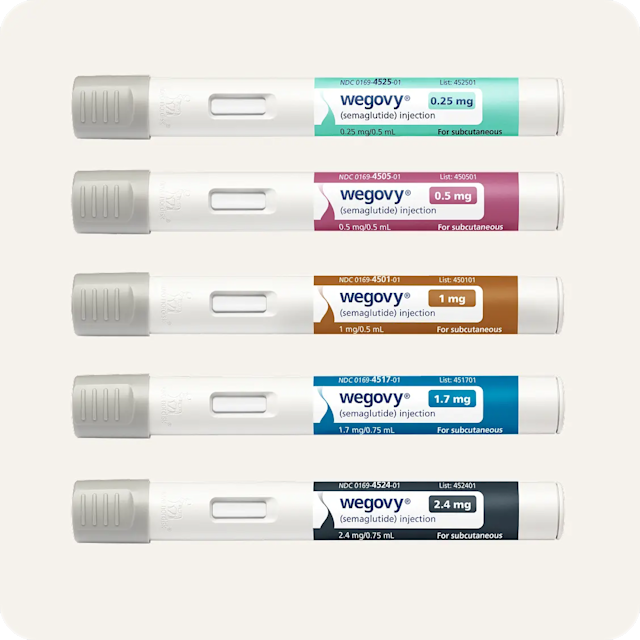
As low as $25/mo if your insurance covers it*
tirzepatide · weekly injection
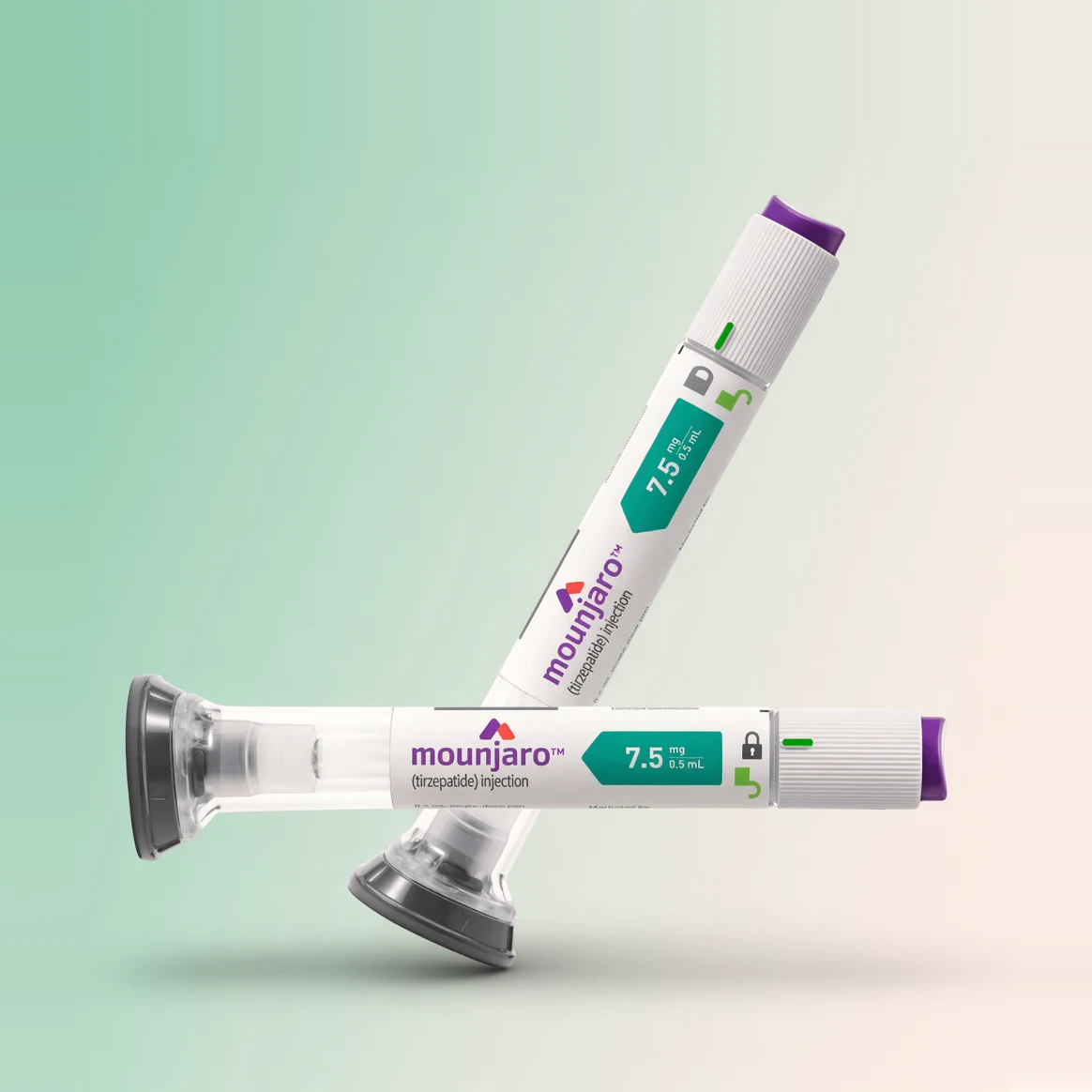
As low as $25/mo if your insurance covers it*†
semaglutide · weekly injection
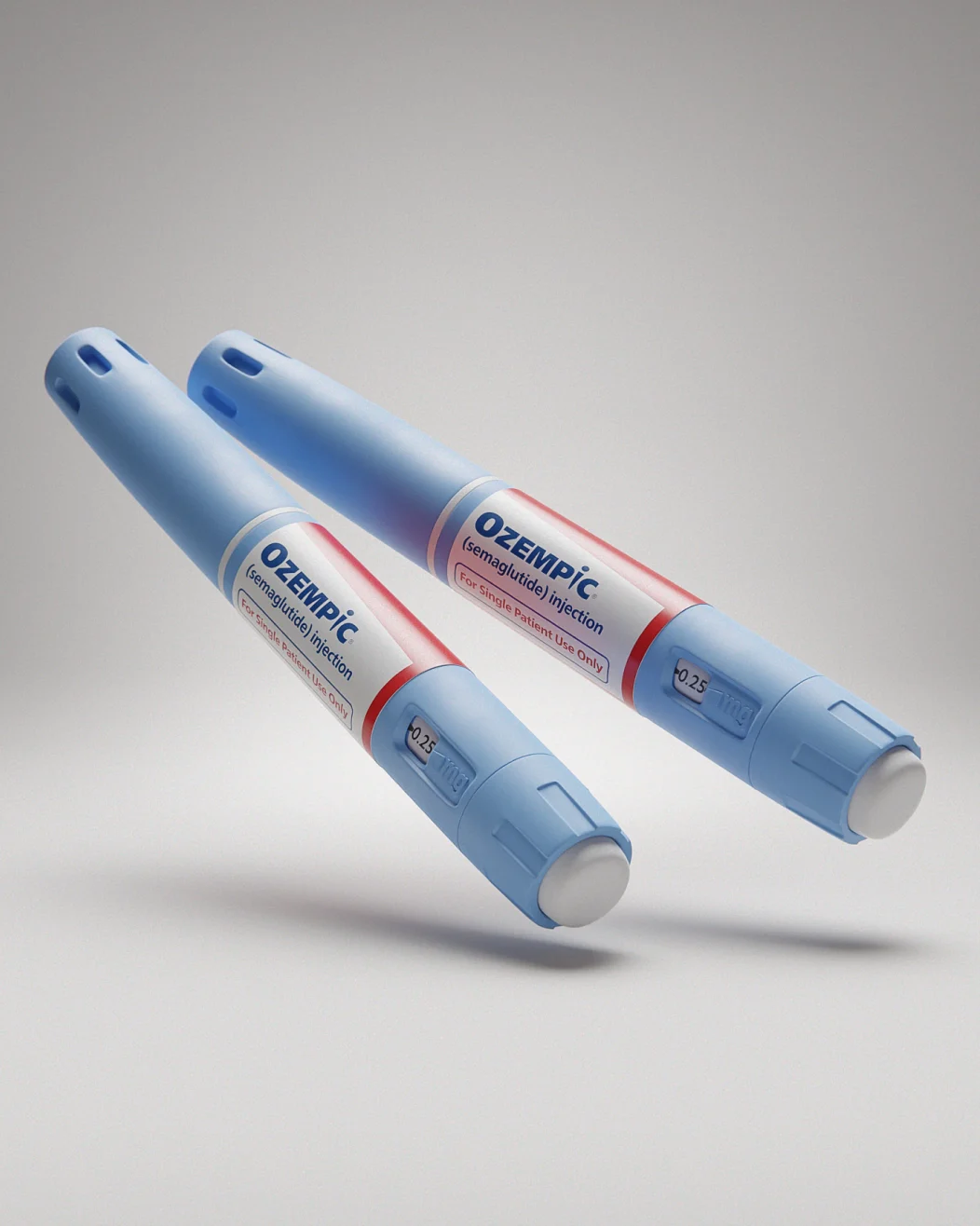
As low as $25/mo if your insurance covers it*†
weekly injection · partner pharmacy
$199/mo, or $106/mo on a 3-month supply‡
weekly injection · partner pharmacy
$329/mo, or $216/mo on a quarterly plan‡
*Brand-name pricing as low as $25 a month applies when your commercial insurance covers the medication; actual cost depends on your plan and on manufacturer savings terms, which can change. †Mounjaro and Ozempic are FDA-approved for type 2 diabetes, not for weight loss; a provider may prescribe them off-label when appropriate. ‡Compounded medications are not FDA-approved and have not been evaluated by the FDA for safety, effectiveness, or quality. Compounded pricing shown is for medication only. §Roen membership is $39 for the first month, then $135 a month. Medication is billed separately.
GLP-1 medications carry a boxed warning about the risk of thyroid C-cell tumors and can cause serious side effects. See the important safety information for Zepbound, Wegovy, Mounjaro, Ozempic, semaglutide, and tirzepatide.
Zepbound® and Mounjaro® are registered trademarks of Eli Lilly and Company. Ozempic® and Wegovy® are registered trademarks of Novo Nordisk A/S. Roen is not affiliated with or endorsed by these companies. Prescriptions are issued only after a licensed provider determines that treatment is appropriate. This page is for general information and is not medical advice.