Brand nameInsurance checked for you
Zepbound®
tirzepatide · weekly injection
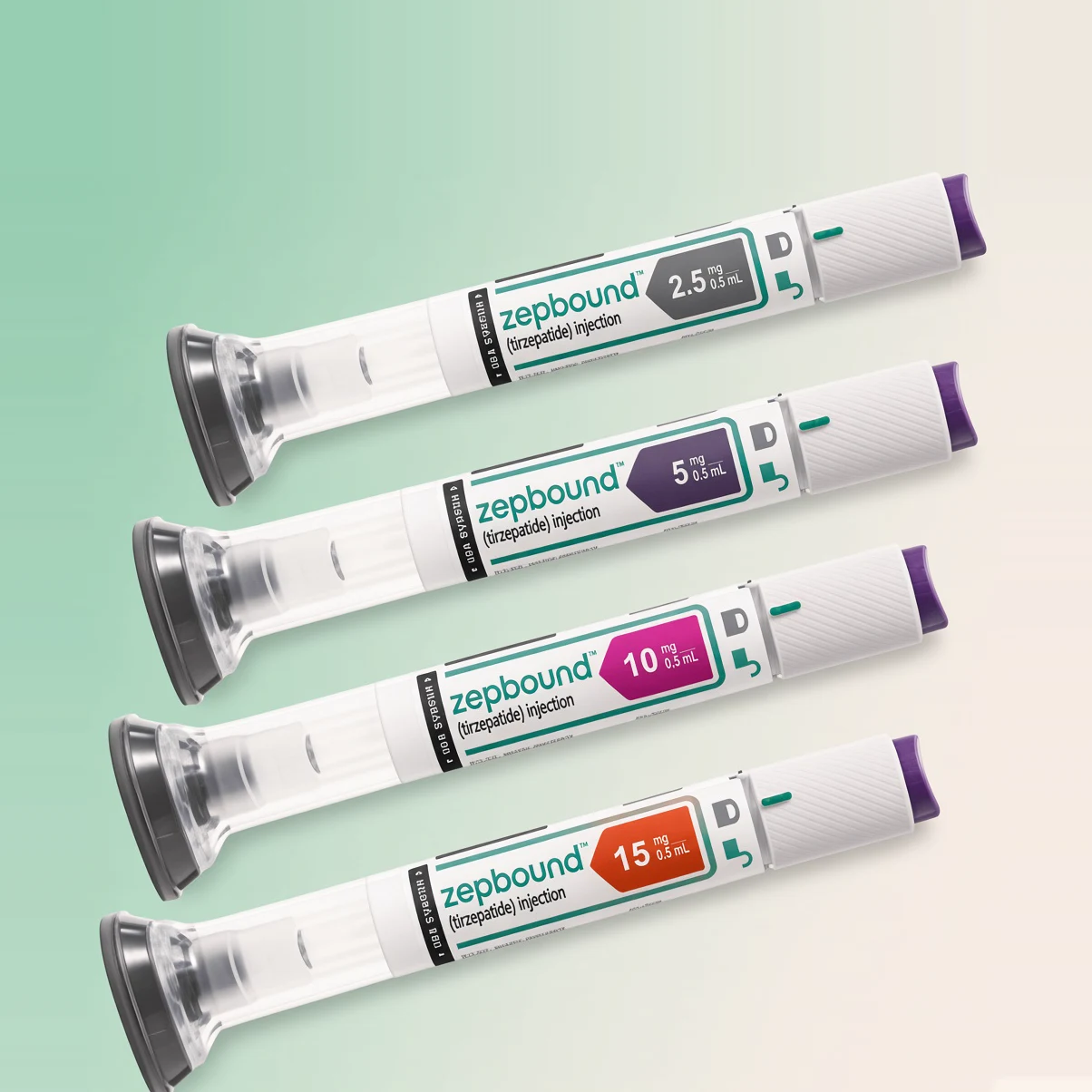
As low as $25/mo if your insurance covers it*

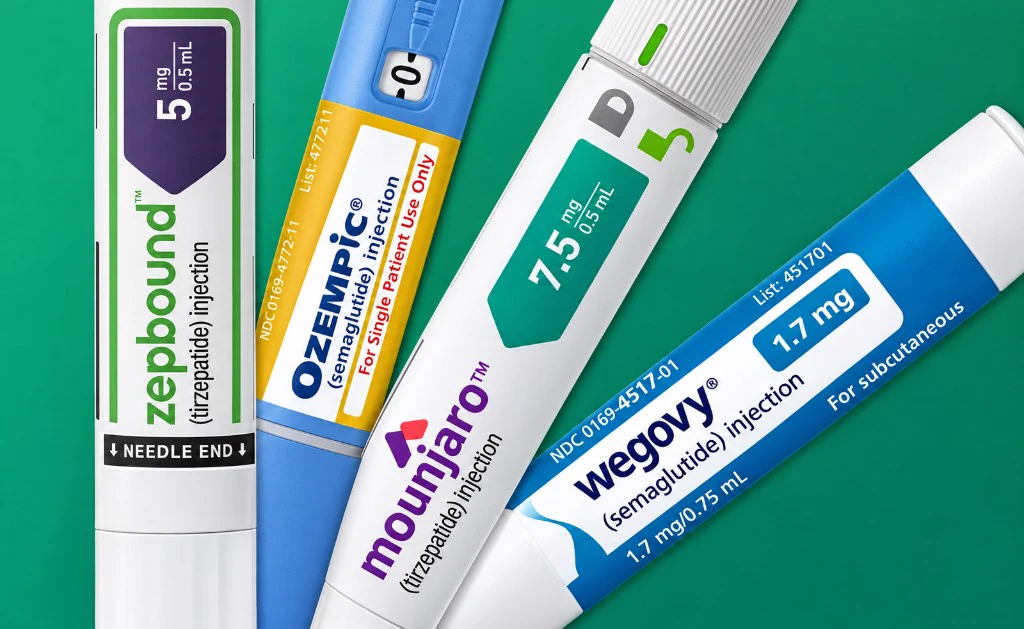
Most GLP-1 side effects are stomach-related. They are usually mild to moderate, and they show up mostly while your dose is being increased. Here is how often each one happens on Wegovy, Ozempic, Zepbound, and Mounjaro, what helps, and which symptoms mean you should call a provider right away.
Most common GLP-1 side effect
Nauseashare of people reporting it in trials
From each medication’s prescribing information. On placebo, 4% to 16% reported nausea. Trials were separate, so the numbers aren’t a head-to-head comparison.
Worried about side effects? A licensed provider reviews your health history before prescribing, and your care team is there when you have questions.
This page is for general information and is not medical advice. Prescription medications are only available after a licensed provider decides that treatment is appropriate for you. Prices and program terms are set by the manufacturers and pharmacies named and can change without notice.
The most common GLP-1 side effects are nausea, diarrhea, vomiting, constipation, and stomach pain. They happen because these medications slow how quickly your stomach empties and act on the parts of the brain that control appetite and nausea.
How often they happen depends on the medication and the dose. The table shows the share of trial participants who reported each one, with the placebo group in parentheses.1,2,3,4
| Side effect | Wegovy 2.4 mg | Zepbound 5–15 mg | Ozempic 0.5–1 mg | Mounjaro 5–15 mg |
|---|---|---|---|---|
| Nausea | 44% (16%) | 25–29% (8%) | 16–20% (6%) | 12–18% (4%) |
| Diarrhea | 30% (16%) | 19–23% (8%) | 9% (2%) | 12–17% (9%) |
| Vomiting | 24% (6%) | 8–13% (2%) | 5–9% (2%) | 5–9% (2%) |
| Constipation | 24% (11%) | 11–17% (5%) | 3–5% (2%) | 6–7% (1%) |
| Stomach pain | 20% (10%) | 9–10% (5%) | 6–7% (5%) | 5–6% (4%) |
Percentages are from each product’s prescribing information. Placebo rates are in parentheses. The trials enrolled different people at different doses, so compare across columns with caution.
Two things stand out. First, the weight-management doses (Wegovy and Zepbound) cause more stomach side effects than the lower diabetes doses of the same ingredients (Ozempic and Mounjaro). Second, a fair number of people on placebo reported the same symptoms, so not every upset stomach is caused by the medication.
For most people, GLP-1 side effects come and go during the first few months, while the dose is stepping up, and ease once the dose stays the same. They are tied to dose changes more than to how long you have been on the medication.
Every GLP-1 starts at a low dose and increases about every four weeks. Each step up can bring a few days of nausea or other stomach symptoms. In a pooled analysis of the main Wegovy trials, stomach side effects were described as transient and occurred most often during or shortly after dose increases.5
In other words, fewer than one in ten people in these trials stopped treatment because of side effects.
If side effects don’t settle, tell your provider. The prescribing information for these medications allows for a slower schedule, such as delaying the next increase or stepping back to a lower dose.1,3
Serious side effects are uncommon, but it’s worth knowing the warning signs before you start. Each of the following is listed in the prescribing information for semaglutide and tirzepatide medications.1,2,3,4
| Possible problem | What to watch for | What to do |
|---|---|---|
| Pancreatitis | Severe pain in your stomach area that won’t go away, sometimes spreading to your back, with or without vomiting | Stop the medication and get medical care right away |
| Gallbladder problems | Pain in the upper right stomach, fever, yellowing skin or eyes, clay-colored stools | Call your provider promptly |
| Dehydration and kidney problems | Vomiting or diarrhea that won’t stop, very little urine, dizziness | Drink fluids and call your provider |
| Severe stomach problems | Severe or ongoing vomiting, bloating, or constipation, or being unable to pass gas | Call your provider. Go to urgent care if it is severe |
| Low blood sugar | Shakiness, sweating, confusion, fast heartbeat. Mostly a risk if you also take insulin or a sulfonylurea | Treat the low, then tell your provider |
| Allergic reaction | Swelling of the face, lips, or throat, trouble breathing, severe rash | Call 911 |
| Vision changes | Blurred vision or other changes, especially if you have type 2 diabetes | Tell your provider |
Boxed warning: thyroid C-cell tumors. Semaglutide and tirzepatide caused thyroid C-cell tumors in rodents. It isn’t known whether they cause these tumors, including medullary thyroid carcinoma (MTC), in people.
You should not take them if you or a family member has had MTC, or if you have Multiple Endocrine Neoplasia syndrome type 2 (MEN 2). Tell your provider about a lump or swelling in your neck, hoarseness, trouble swallowing, or shortness of breath.1,3
Because GLP-1s slow stomach emptying, food can remain in your stomach longer than usual. Tell your surgeon and anesthesia team that you take one before any procedure that involves anesthesia or deep sedation.1,3
Wegovy and Zepbound used to carry a warning about suicidal thoughts and behavior. In January 2026, the FDA asked manufacturers to remove it, after its review of clinical trial data found no increased risk with GLP-1 medications.6
That doesn’t mean mood changes should be ignored. If you notice new or worsening depression, or any thoughts of harming yourself, contact your provider. If you are in crisis, call or text 988.
All GLP-1 medications share the same core side effects. The differences come from the active ingredient, the dose, and whether you inject it or swallow it.
Semaglutide acts on the GLP-1 receptor only. At the 2.4 mg weight-management dose, nausea affected 44% of trial participants and diarrhea 30%. At the 0.5 mg and 1 mg diabetes doses of Ozempic, the rates were less than half that.1,2 Read more on our Wegovy side effects, Ozempic side effects, and semaglutide side effects sections, or in our full guide to semaglutide side effects.
Tirzepatide acts on two receptors, GIP and GLP-1. Its side effects are the same kinds of stomach symptoms. In the Zepbound trials, 25% to 29% of participants reported nausea and 19% to 23% reported diarrhea.3 In a head-to-head trial against semaglutide in adults with obesity, the most common side effects in both groups were stomach-related, mostly mild to moderate, and mostly during dose increases.7
Tirzepatide has one caution semaglutide doesn’t: it can make birth control pills less effective for a time. The label recommends switching to a non-oral method, or adding a barrier method, for four weeks after starting and for four weeks after each dose increase.3 See Zepbound side effects, Mounjaro side effects, tirzepatide side effects, or our tirzepatide side effects guide.
Oral GLP-1s cause the same kinds of stomach side effects as injections. They avoid injection-site reactions, and some come with their own rules about food and water. The Wegovy pill, for example, is taken on an empty stomach.
Compounded versions contain the same active ingredients, so the expected side effects are the same. Compounded drugs are not FDA-approved, which means the FDA hasn’t reviewed them for safety, effectiveness, or quality.
The FDA has also received reports of dosing errors with compounded injectable semaglutide, where people drew up too much from a vial and had severe nausea and vomiting, sometimes needing hospital care.8 If your prescription comes in a vial, follow the dosing instructions from your provider and pharmacy exactly. Our guide to tirzepatide dosing in units explains how the math works.
Eat smaller meals, eat slowly, and stop when you first feel full. Greasy, fried, and very sweet foods tend to make nausea worse. Bland foods such as crackers, toast, and rice are easier on your stomach. Stay upright for a while after eating. Our nausea relief guide has more ideas.
Replace fluids with water, broth, or an electrolyte drink. Cut back on fatty foods, sugar alcohols, and alcohol until it passes. Call your provider if it lasts more than a couple of days or you can’t keep fluids down, because dehydration is what can lead to kidney problems.
Drink more water, add fiber gradually (vegetables, beans, oats, or a supplement), and move every day. Ask your provider or pharmacist before starting an over-the-counter laxative or stool softener.
Smaller portions help most. Avoid eating within two to three hours of bedtime, and go easy on carbonated drinks and high-fat meals.
Eating far less than usual can leave you tired. Aim for regular meals with protein, drink enough fluid, and keep up some physical activity. Mention it to your provider if it doesn’t improve.
Rotate between your stomach, thigh, and upper arm, and use a different spot each week. Let the medication reach room temperature if your instructions allow it.
If side effects are hard to live with, the fix is often a slower schedule: staying on your current dose for another four weeks, or stepping back down. That is a decision to make with your provider. Don’t skip or split doses on your own.
Roen members can message their care team any time. Side-effect questions, dose adjustments, and refills are all handled online, with no appointment needed.
GLP-1 medications are meant for long-term use, so it is reasonable to ask what happens over years. Semaglutide has been on the market since 2017 and tirzepatide since 2022. The longer-term concerns below are mostly consequences of significant weight loss, not of the drug acting directly.
When you lose a lot of weight by any method, some of it is lean tissue, not just fat. Eating enough protein and doing resistance exercise two or more times a week helps protect muscle while you lose weight.
Rapid weight loss raises the risk of gallstones, and gallbladder problems were reported more often on GLP-1s than on placebo in trials.1,3
Temporary hair shedding can follow rapid weight loss. In trials it was reported by 3% to 5% of people on weight-management doses, compared with 1% on placebo.1,3
“Ozempic face” describes a thinner, more hollow look after losing fat from the face. It reflects the amount and speed of weight loss more than the medication itself. We cover it in the Ozempic face section of our Ozempic page.
This isn’t a side effect, but it matters for planning. Obesity is a chronic condition, and most people regain weight after stopping a GLP-1. See what happens when you stop taking a GLP-1.
The thyroid tumor finding comes from rodent studies, and it is still not known whether it applies to people.1 Regulators keep monitoring safety reports. Labels are updated when new information appears, as happened in 2026 when the FDA requested removal of the suicidal thoughts warning.6
GLP-1 medications aren’t right for everyone. A provider should review your full health history before prescribing one. According to the prescribing information, you should not take semaglutide or tirzepatide if you:1,3
Tell your provider before starting if you have ever had pancreatitis, gallbladder disease, kidney problems, severe stomach or digestive problems such as gastroparesis, or diabetic retinopathy, or if you are breastfeeding.
Also share every medication you take. GLP-1s can raise the risk of low blood sugar when combined with insulin or sulfonylureas, and because they slow stomach emptying, they can change how some oral medications are absorbed.1,3
At Roen, a licensed provider checks all of this during your online evaluation, before any prescription is written.
Nausea. In clinical trials it was reported by 44% of people on Wegovy 2.4 mg, 25% to 29% on Zepbound, 16% to 20% on Ozempic, and 12% to 18% on Mounjaro. Diarrhea, vomiting, constipation, and stomach pain are the next most common.
For most people, yes. Side effects are most frequent during and shortly after dose increases and tend to settle once you are on a steady dose. If they don’t, your provider can slow your dosing schedule or lower your dose.
Nausea tends to come in short stretches after starting and after each dose increase, then fade. Since doses usually step up every four weeks for the first few months, that is the period when nausea is most likely. Tell your provider about nausea that is severe or doesn’t ease.
There is no clear winner, because the main trials weren’t designed to compare side effects between medications. Lower doses cause fewer stomach side effects than higher ones. In the one large head-to-head trial of tirzepatide and semaglutide for obesity, the side effects in both groups were similar in type and mostly mild to moderate.
Hair shedding was reported by 3% of people on Wegovy and 4% to 5% on Zepbound, compared with 1% on placebo. It is associated with losing weight quickly and is usually temporary.
The main longer-term concerns are loss of muscle along with fat, gallstones, and weight regain if you stop. The labels also carry a boxed warning about thyroid C-cell tumors, which were seen in rodent studies. It isn’t known whether that risk applies to people.
They can. Fatigue was reported by 11% of people on Wegovy, compared with 5% on placebo, and by 5% to 7% on Zepbound, compared with 3% on placebo. Eating too little and not drinking enough can make it worse.
Call right away for severe stomach pain that doesn’t go away, vomiting or diarrhea you can’t control, signs of dehydration, yellowing of your skin or eyes, or vision changes. Call 911 for swelling of your face or throat or trouble breathing.
For milder side effects that are affecting daily life, message your provider. A slower dosing schedule often helps.
Page last updated November 17, 2026.




 Roen members
Every Roen member is evaluated by a licensed healthcare provider who reviews your health history and current medications before prescribing. After you start, your care team is available by message to adjust your dose, answer side-effect questions, and tell you when something needs in-person care.
Individual experiences vary.

“I had a lot of questions about starting Zepbound, and I appreciated having someone take the time to walk me through them. My provider explained the plan and helped me understand what to expect.”

“What stood out to me was how thorough the conversation was. My provider reviewed my health history and talked through Mounjaro, including potential side effects and follow-up care.”

“My biggest concern was knowing who to turn to if I had questions after starting Wegovy. Having the follow-up process explained from the beginning helped me feel more prepared.”

“Before considering Ozempic, I wanted a clear picture of what treatment would involve. Being able to ask questions in everyday language made the whole process feel much more comfortable.”

“I wanted to understand whether tirzepatide made sense for me, so I came to my provider with plenty of questions. I appreciated feeling involved in the decision instead of feeling rushed.”

“My biggest question about semaglutide was what ongoing care would look like. We discussed follow-up check-ins, potential side effects, and when to contact the care team.”
Roen providers prescribe both brand-name and compounded GLP-1s. Your provider helps you choose based on your health history, coverage, and budget.
tirzepatide · weekly injection
As low as $25/mo if your insurance covers it*
semaglutide · weekly injection
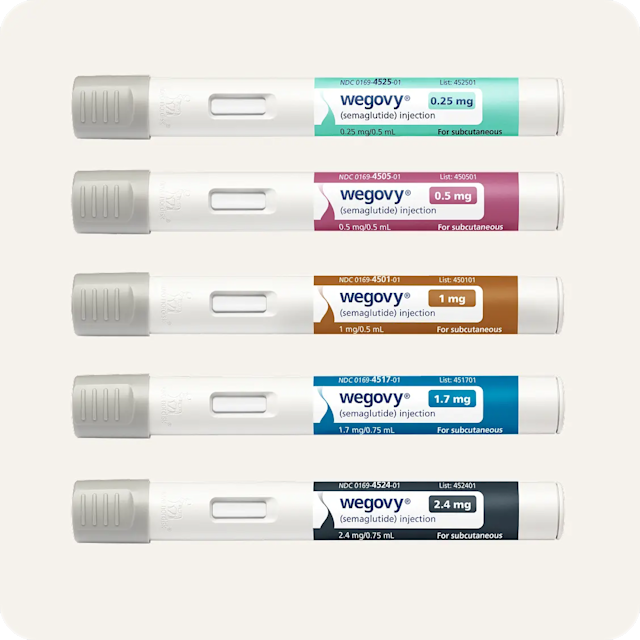
As low as $25/mo if your insurance covers it*
tirzepatide · weekly injection
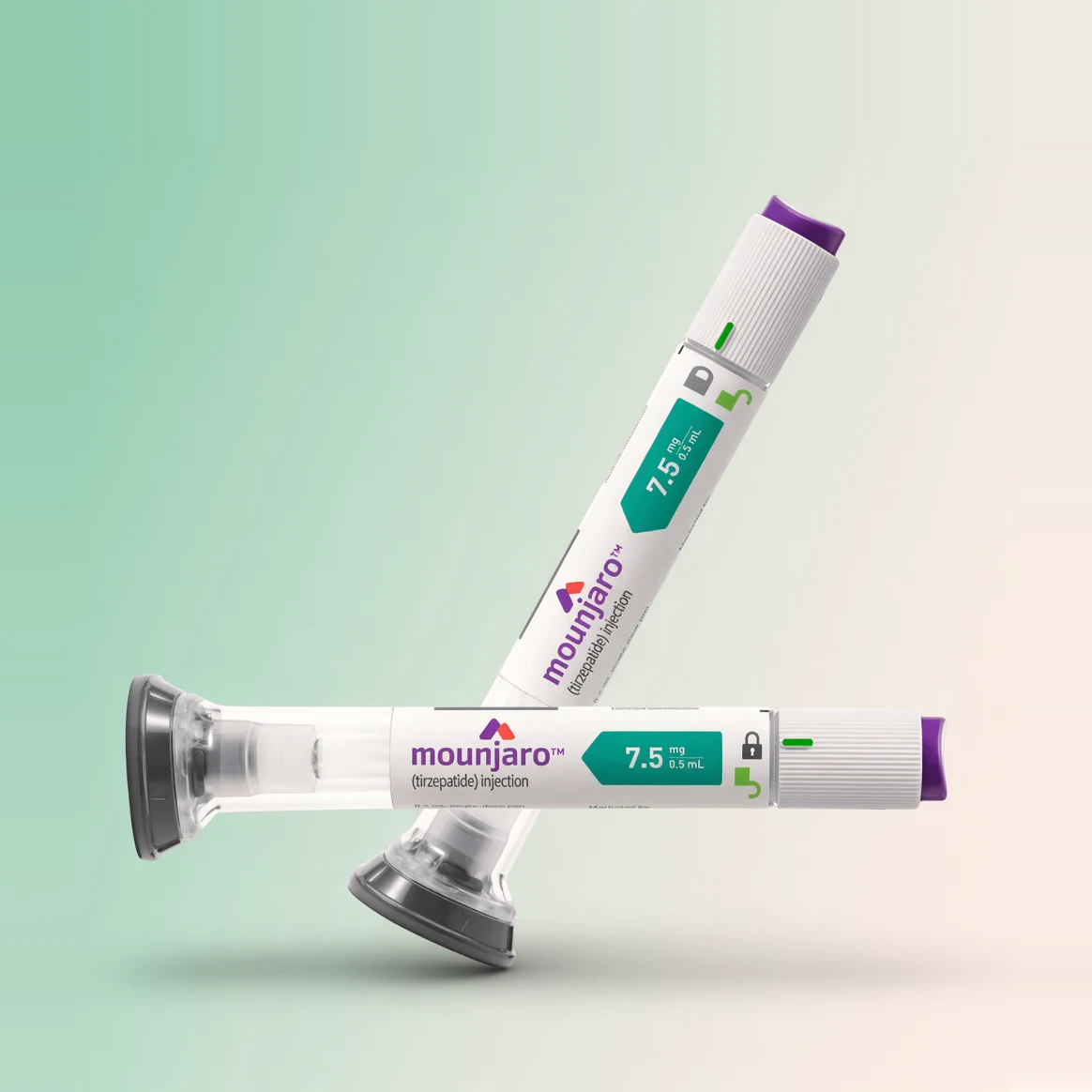
As low as $25/mo if your insurance covers it*†
semaglutide · weekly injection
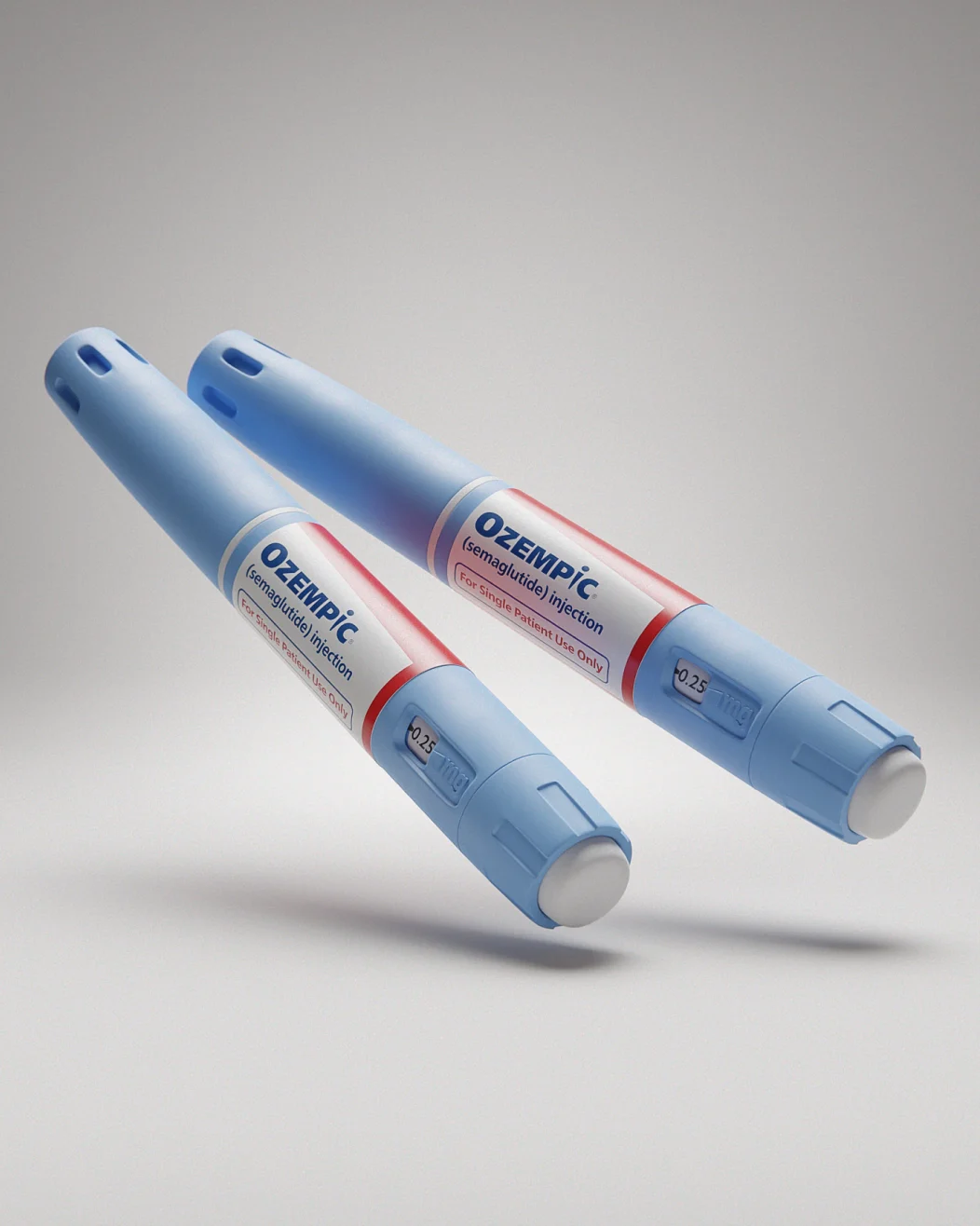
As low as $25/mo if your insurance covers it*†
weekly injection · partner pharmacy
$199/mo, or $106/mo on a 3-month supply‡
weekly injection · partner pharmacy
$329/mo, or $216/mo on a quarterly plan‡
*Brand-name pricing as low as $25 a month applies when your commercial insurance covers the medication; actual cost depends on your plan and on manufacturer savings terms, which can change. †Mounjaro and Ozempic are FDA-approved for type 2 diabetes, not for weight loss; a provider may prescribe them off-label when appropriate. ‡Compounded medications are not FDA-approved and have not been evaluated by the FDA for safety, effectiveness, or quality. Compounded pricing shown is for medication only. §Roen membership is $39 for the first month, then $135 a month. Medication is billed separately.
GLP-1 medications carry a boxed warning about the risk of thyroid C-cell tumors and can cause serious side effects. See the important safety information for Zepbound, Wegovy, Mounjaro, Ozempic, semaglutide, and tirzepatide.
Zepbound® and Mounjaro® are registered trademarks of Eli Lilly and Company. Ozempic® and Wegovy® are registered trademarks of Novo Nordisk A/S. Roen is not affiliated with or endorsed by these companies. Prescriptions are issued only after a licensed provider determines that treatment is appropriate. This page is for general information and is not medical advice.