Brand nameInsurance checked for you
Zepbound®
tirzepatide · weekly injection
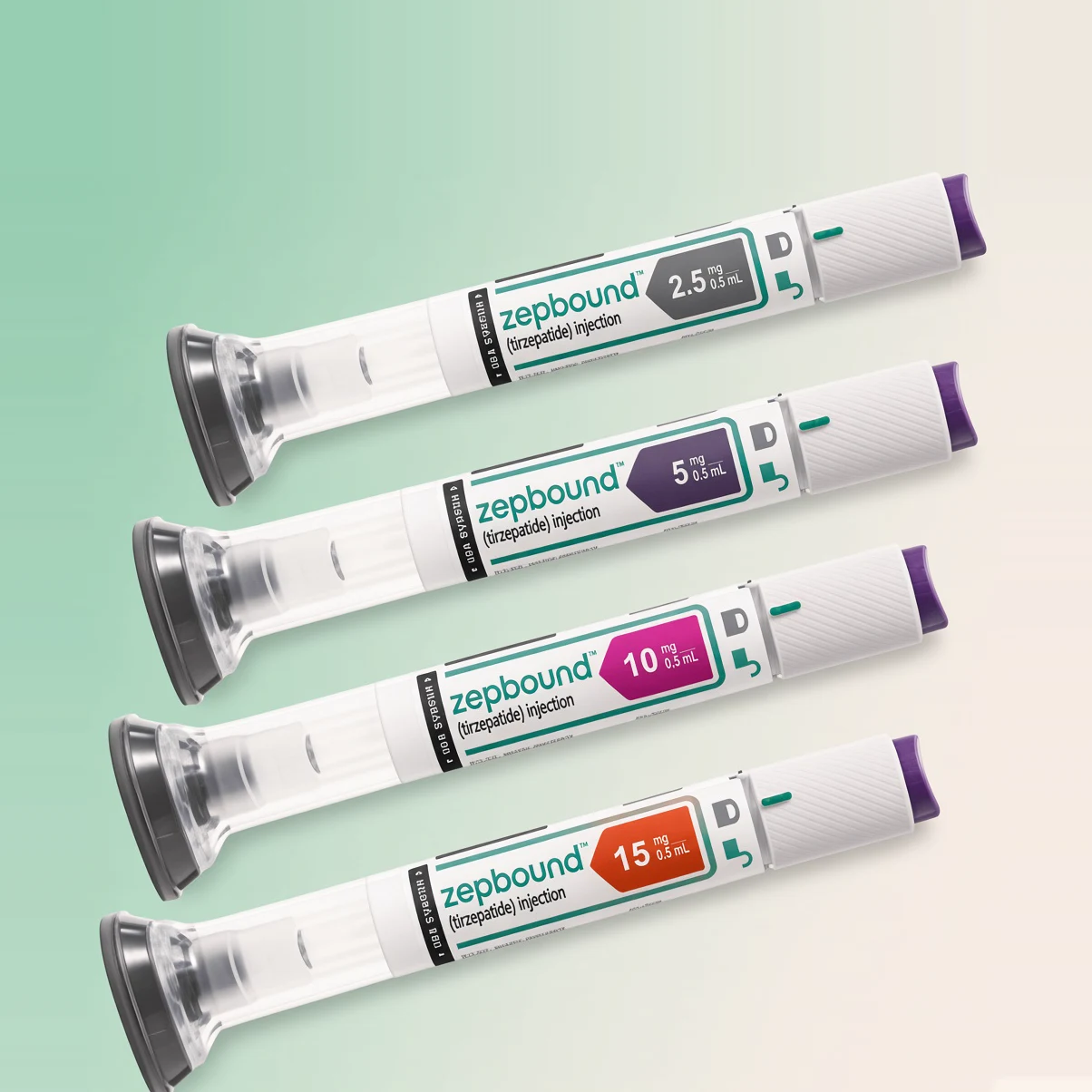
As low as $25/mo if your insurance covers it*

GLP-1 stands for glucagon-like peptide-1. It is a hormone your gut releases after you eat. It tells your pancreas to release insulin, slows your stomach, and signals your brain that you’re full. “GLP-1s” is also shorthand for the medications that copy this hormone, such as Ozempic, Wegovy, and Zepbound.
GLP-1 stands for
Glucagon-like peptide-1a hormone made in your gut
GLP-1 is pronounced “G-L-P one.” Usage figure from KFF, November 2025.
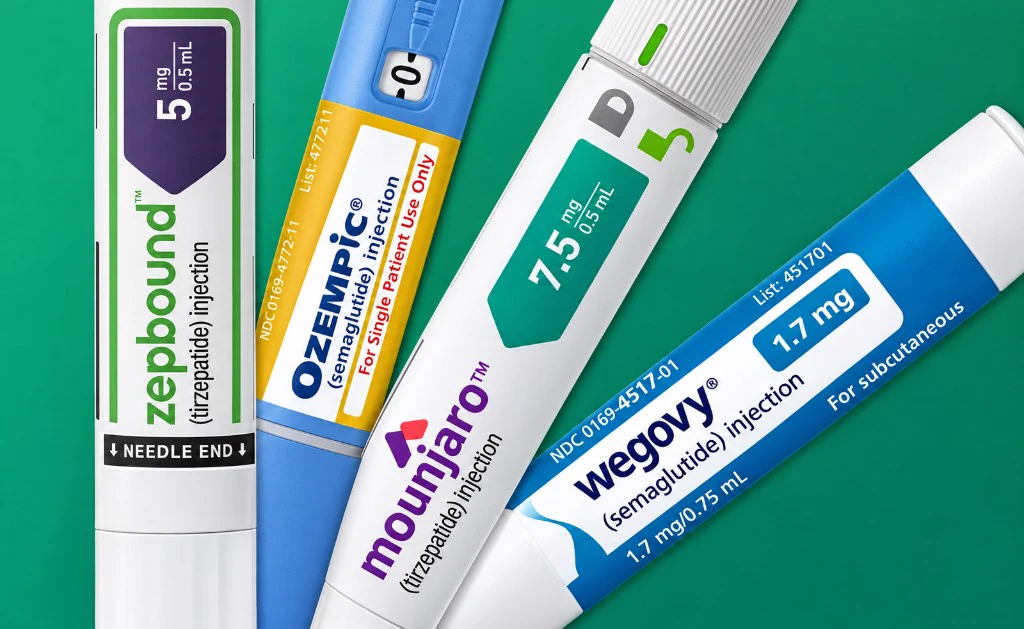
Wondering whether a GLP-1 medication is right for you? A licensed provider can review your health history online.
This page is for general information and is not medical advice. Prescription medications are only available after a licensed provider decides that treatment is appropriate for you. Prices and program terms are set by the manufacturers and pharmacies named and can change without notice.
GLP-1 stands for glucagon-like peptide-1. It is a hormone made by cells in the lining of your intestine and released into your blood when you eat.1
The name is easier to understand in pieces:
In everyday conversation, “GLP-1” usually doesn’t mean the hormone. It means a medication that acts like it. “I’m on a GLP-1” means “I take a drug such as Ozempic, Wegovy, Mounjaro, or Zepbound.”
The technical name for those drugs is GLP-1 receptor agonists, sometimes written GLP-1 RAs. An agonist is something that switches a receptor on. So a GLP-1 receptor agonist is a drug that switches on the same receptor your natural GLP-1 does.2
GLP-1 helps your body handle a meal. It is one of the incretins, a group of gut hormones that prepare your body for incoming food.1
| Where it acts | What it does | Why it matters |
|---|---|---|
| Pancreas | Prompts insulin release when blood sugar is high, and lowers glucagon | Blood sugar rises less after meals |
| Stomach | Slows how quickly food leaves the stomach | You feel full for longer, and sugar enters the blood more gradually |
| Brain | Acts on areas that control hunger and fullness | Appetite and cravings go down |
Your own GLP-1 works for only a few minutes. An enzyme called DPP-4 breaks it down almost as soon as it is released.1 That is fine for managing one meal, but it’s too brief to change body weight or long-term blood sugar.
GLP-1 medications are built to resist that breakdown. Semaglutide, the ingredient in Ozempic and Wegovy, stays active for about a week, which is why it is injected once weekly.2
The insulin effect depends on blood sugar. GLP-1 boosts insulin when blood sugar is high, and much less when it is normal. That is why GLP-1 medications on their own rarely cause low blood sugar. The risk rises when they are combined with insulin or a sulfonylurea.2
GLP-1 medications are prescription drugs that activate the GLP-1 receptor. They were first developed for type 2 diabetes, and some are now approved for weight management and other conditions.2,3
| Brand | Active ingredient | How it’s taken | FDA-approved for |
|---|---|---|---|
| Ozempic | Semaglutide | Weekly injection, or daily pill | Type 2 diabetes |
| Wegovy | Semaglutide | Weekly injection, or daily pill | Weight management |
| Rybelsus | Semaglutide | Daily pill | Type 2 diabetes |
| Mounjaro | Tirzepatide (GIP and GLP-1) | Weekly injection | Type 2 diabetes |
| Zepbound | Tirzepatide (GIP and GLP-1) | Weekly injection | Weight management, and obstructive sleep apnea in adults with obesity |
| Foundayo | Orforglipron | Daily pill | Weight management |
| Saxenda | Liraglutide | Daily injection | Weight management |
| Victoza | Liraglutide | Daily injection | Type 2 diabetes |
| Trulicity | Dulaglutide | Weekly injection | Type 2 diabetes |
Main approved uses only. Several of these also have approvals for lowering cardiovascular or kidney risk in specific groups.4,5
Use has grown quickly. In a national KFF poll, 18% of U.S. adults said they had taken a GLP-1 medication at some point, and 12% were taking one at the time.7
For weight loss, “GLP-1” means a medication that lowers appetite by acting on the same pathways as the natural hormone. People feel full sooner, think about food less, and eat less as a result.
These medications aren’t for everyone who wants to lose a few pounds. Wegovy and Zepbound are approved for adults with obesity (a BMI of 30 or higher), or with overweight (a BMI of 27 or higher) plus at least one weight-related condition, and they’re meant to be used with a reduced-calorie diet and more physical activity.4,5
Tirzepatide, the ingredient in Mounjaro and Zepbound, is often called a GLP-1, but it is technically a dual agonist. It activates the GLP-1 receptor and a second one, GIP (glucose-dependent insulinotropic polypeptide).5 Semaglutide activates GLP-1 only.
If you want to go deeper on treatment, these pages cover it: what GLP-1 is for weight loss, our complete guide to GLP-1 for weight loss, and the medication pages for Wegovy, Zepbound, Ozempic, Mounjaro, semaglutide, and tirzepatide.
A quick reference for the vocabulary that comes up when people talk about GLP-1 medications.
| Term | What it means |
|---|---|
| GLP-1 | Glucagon-like peptide-1. A gut hormone, and shorthand for the medications that mimic it |
| GLP-1 RA | GLP-1 receptor agonist. The formal name for the drug class |
| Agonist | A substance that activates a receptor |
| Incretin | A gut hormone released after eating that boosts insulin. GLP-1 and GIP are the two main ones |
| GIP | Glucose-dependent insulinotropic polypeptide. The second hormone that tirzepatide targets |
| Semaglutide | The active ingredient in Ozempic, Wegovy, and Rybelsus |
| Tirzepatide | The active ingredient in Mounjaro and Zepbound |
| Peptide | A short chain of amino acids. Most GLP-1 medications are peptides, which is why most are injected |
| Titration | Increasing the dose step by step, usually every four weeks, to limit side effects |
| Maintenance dose | The dose you stay on once you have finished stepping up |
| A1C | A blood test showing average blood sugar over about three months |
| BMI | Body mass index, a measure based on height and weight that is used to decide who qualifies for treatment |
| Off-label | Prescribing a drug for a use the FDA hasn’t approved it for, such as Ozempic for weight loss |
| Compounded | Made by a compounding pharmacy for an individual prescription. Compounded GLP-1s are not FDA-approved |
| Prior authorization | Approval your insurer requires before it will cover a medication |
| DPP-4 | The enzyme that breaks down natural GLP-1. DPP-4 inhibitors are a separate class of diabetes pills |
A few common mix-ups are worth clearing up.
GLP-1 medications help your body release its own insulin when blood sugar is high. They don’t replace insulin, and they aren’t a treatment for type 1 diabetes.2
Older weight loss drugs such as phentermine are stimulants. GLP-1 medications work through hormone receptors in the gut and brain, not by speeding up your nervous system.
Ozempic is one brand of one GLP-1 medication. The class includes several ingredients and many brands, with different approved uses.
Over-the-counter products marketed as GLP-1 boosters, patches, or drops don’t contain a GLP-1 drug. Real GLP-1 medications are prescription-only. The FDA has also warned about counterfeit products and about unapproved versions sold online “for research purposes.”8
Eating triggers GLP-1 release, and meals with protein and fiber tend to produce a stronger response. The effect is brief and much smaller than a medication’s, because natural GLP-1 is cleared within minutes.1 Healthy eating still matters, but it doesn’t reproduce what the drugs do.
Because GLP-1 medications slow the stomach, their most common side effects are digestive: nausea, diarrhea, constipation, and vomiting. They are usually mild to moderate and happen mostly while the dose is being increased.4,5
Serious side effects are uncommon. They include pancreatitis, gallbladder problems, and kidney problems from dehydration. Semaglutide and tirzepatide carry a boxed warning about thyroid C-cell tumors seen in rodent studies, and people with a personal or family history of medullary thyroid carcinoma or MEN 2 shouldn’t take them.4,5
Our guide to GLP-1 side effects covers how common each one is, how long they last, and when to call a provider.
A licensed provider needs to review your health history first. With Roen, you complete an intake online, a provider reviews it without an appointment, and we check your insurance coverage. If a GLP-1 is appropriate, it is prescribed and your care team manages your dose from there.
Glucagon-like peptide-1. It is a hormone released by your intestine after you eat that helps regulate blood sugar, digestion, and appetite.
It refers to medications that mimic the GLP-1 hormone to reduce appetite and help you feel full. Wegovy, Zepbound, Saxenda, and Foundayo are GLP-1 medications approved for weight management.
Not exactly. GLP-1 is a hormone, and also the name of a drug class. Ozempic is one brand in that class. Its active ingredient is semaglutide.
An agonist is a substance that activates a receptor. A GLP-1 agonist, or GLP-1 receptor agonist, is a drug that activates the GLP-1 receptor the way your natural hormone does, but for much longer.
Both, depending on context. Your body makes GLP-1 as a hormone. The term is also used for the prescription drugs that imitate it.
Yes. Cells in your intestine release GLP-1 after meals. It is broken down within minutes, which is why medications that last for days have a much larger effect.
Partly. Tirzepatide activates both the GLP-1 receptor and the GIP receptor, so it is a dual agonist. It is commonly grouped with GLP-1 medications.
No. GLP-1 helps your pancreas release its own insulin when blood sugar is high. GLP-1 medications are not insulin and don’t replace it.
No. Most are weekly injections, but there are GLP-1 pills too, including oral semaglutide and Foundayo (orforglipron), which was approved in 2026.
Page last updated November 17, 2026.




 Roen members
Knowing what GLP-1 means is the first step. Whether one is right for you depends on your health history, your goals, and your coverage. A licensed Roen provider reviews all three, prescribes when treatment is appropriate, and stays available by message.
Individual experiences vary.

“I had a lot of questions about starting Zepbound, and I appreciated having someone take the time to walk me through them. My provider explained the plan and helped me understand what to expect.”

“What stood out to me was how thorough the conversation was. My provider reviewed my health history and talked through Mounjaro, including potential side effects and follow-up care.”

“My biggest concern was knowing who to turn to if I had questions after starting Wegovy. Having the follow-up process explained from the beginning helped me feel more prepared.”

“Before considering Ozempic, I wanted a clear picture of what treatment would involve. Being able to ask questions in everyday language made the whole process feel much more comfortable.”

“I wanted to understand whether tirzepatide made sense for me, so I came to my provider with plenty of questions. I appreciated feeling involved in the decision instead of feeling rushed.”

“My biggest question about semaglutide was what ongoing care would look like. We discussed follow-up check-ins, potential side effects, and when to contact the care team.”
Roen providers prescribe both brand-name and compounded GLP-1s. Your provider helps you choose based on your health history, coverage, and budget.
tirzepatide · weekly injection
As low as $25/mo if your insurance covers it*
semaglutide · weekly injection
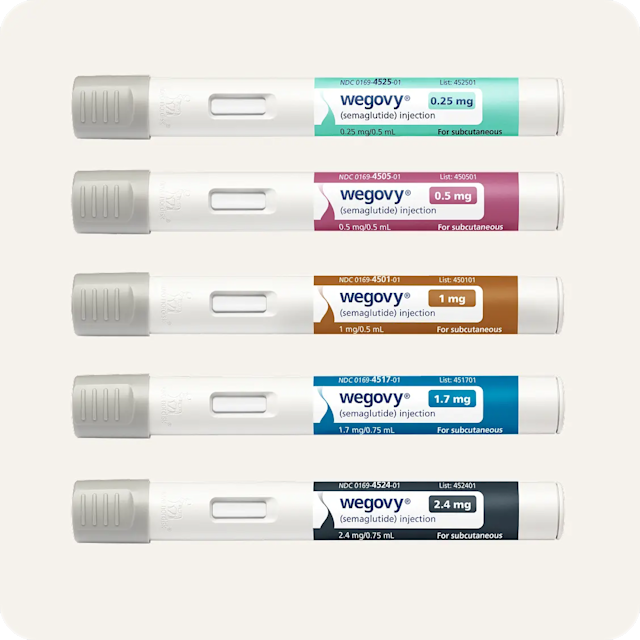
As low as $25/mo if your insurance covers it*
tirzepatide · weekly injection
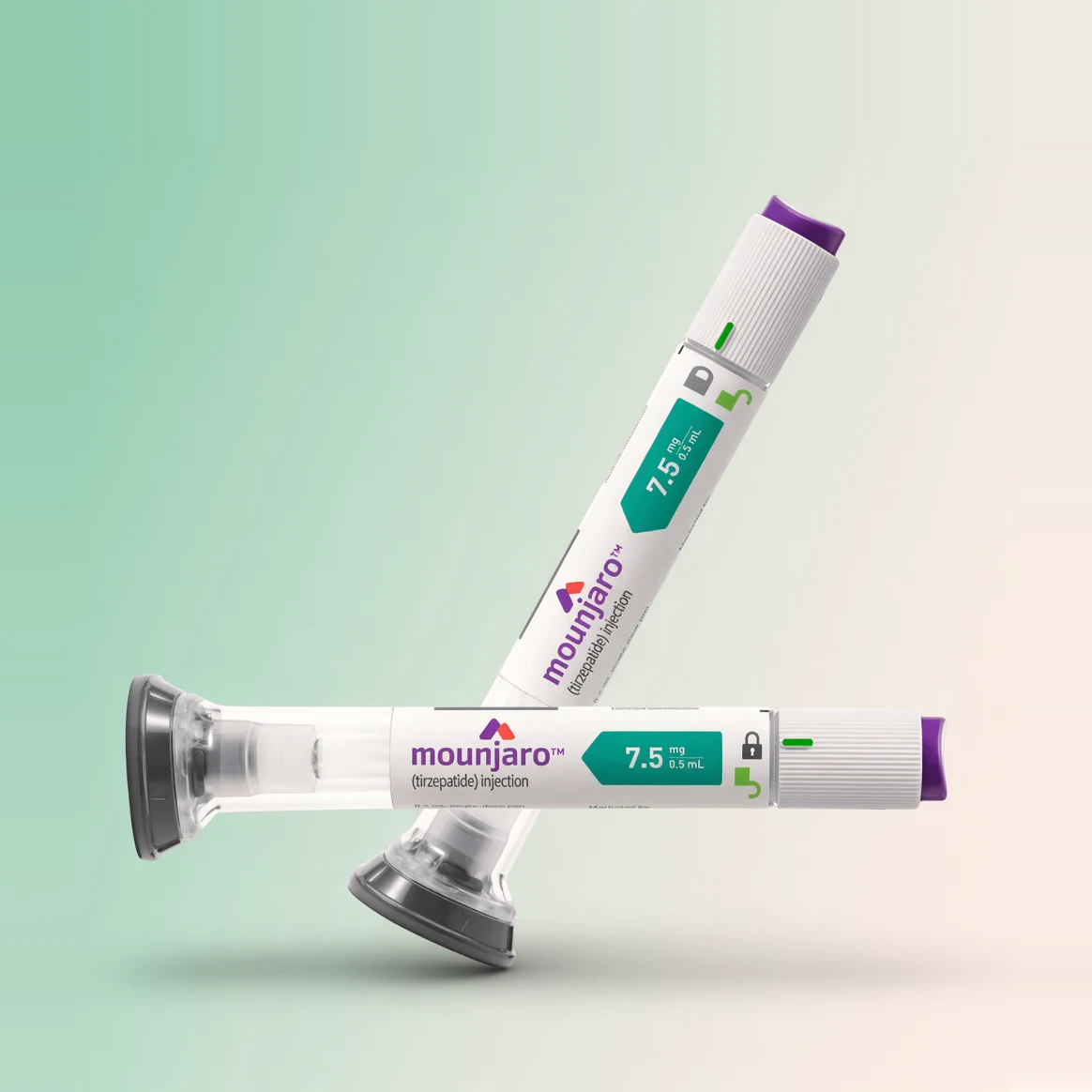
As low as $25/mo if your insurance covers it*†
semaglutide · weekly injection
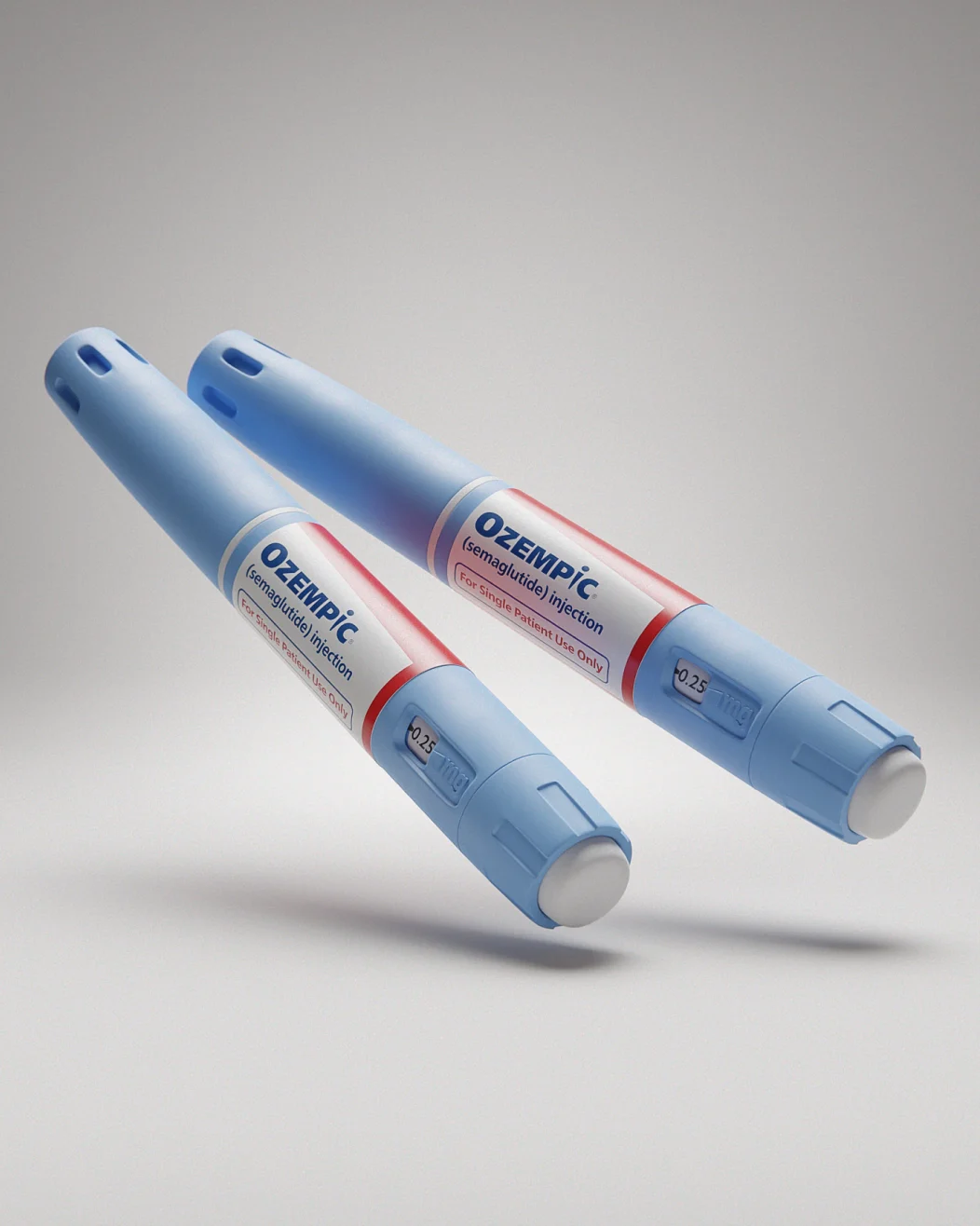
As low as $25/mo if your insurance covers it*†
weekly injection · partner pharmacy
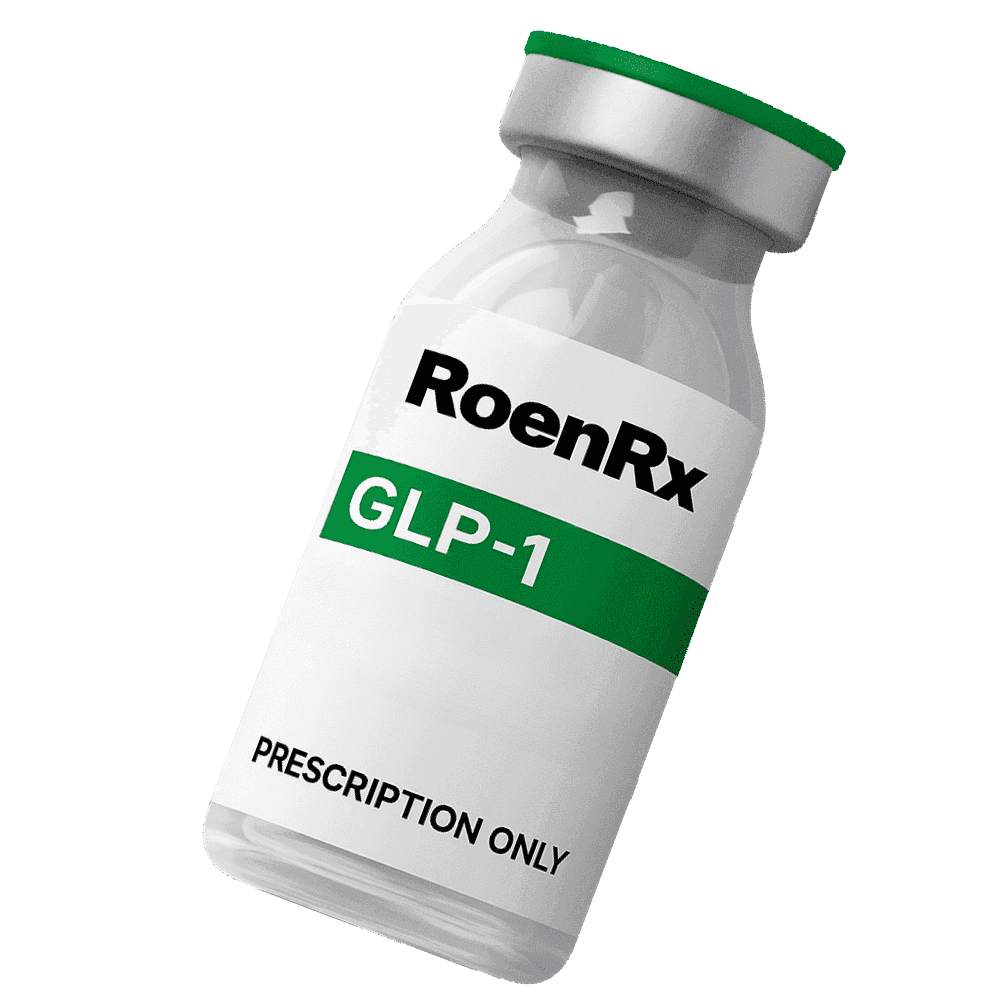
$199/mo, or $106/mo on a 3-month supply‡
weekly injection · partner pharmacy
$329/mo, or $216/mo on a quarterly plan‡
*Brand-name pricing as low as $25 a month applies when your commercial insurance covers the medication; actual cost depends on your plan and on manufacturer savings terms, which can change. †Mounjaro and Ozempic are FDA-approved for type 2 diabetes, not for weight loss; a provider may prescribe them off-label when appropriate. ‡Compounded medications are not FDA-approved and have not been evaluated by the FDA for safety, effectiveness, or quality. Compounded pricing shown is for medication only. §Roen membership is $39 for the first month, then $135 a month. Medication is billed separately.
GLP-1 medications carry a boxed warning about the risk of thyroid C-cell tumors and can cause serious side effects. See the important safety information for Zepbound, Wegovy, Mounjaro, Ozempic, semaglutide, and tirzepatide.
Zepbound® and Mounjaro® are registered trademarks of Eli Lilly and Company. Ozempic® and Wegovy® are registered trademarks of Novo Nordisk A/S. Roen is not affiliated with or endorsed by these companies. Prescriptions are issued only after a licensed provider determines that treatment is appropriate. This page is for general information and is not medical advice.