Brand nameInsurance checked for you
Zepbound®
tirzepatide · weekly injection
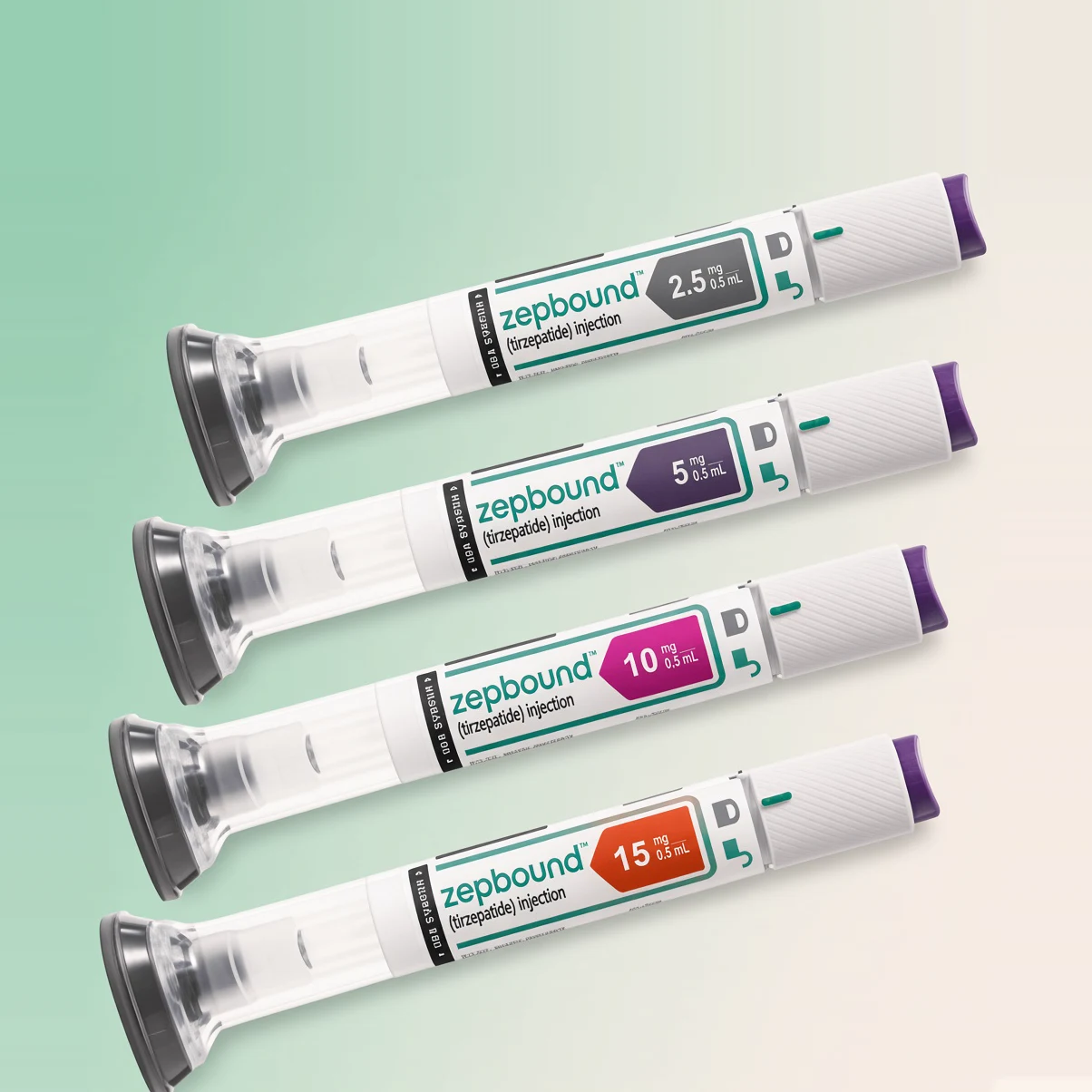
As low as $25/mo if your insurance covers it*

Zepbound is the first medication the FDA has approved for obstructive sleep apnea. It is approved for adults with moderate to severe sleep apnea and obesity, and in trials it cut breathing interruptions by more than half. Here is what the research shows, who qualifies, and how it fits with CPAP.
Average drop in breathing interruptions
51–59%after 52 weeks on Zepbound
SURMOUNT-OSA trials in 469 adults with moderate to severe sleep apnea and obesity.
Already diagnosed with sleep apnea? A licensed provider can review whether Zepbound is appropriate and we’ll check your insurance coverage.
This page is for general information and is not medical advice. Sleep apnea is diagnosed with a sleep study. Do not stop CPAP or any other prescribed treatment without talking to the clinician who manages your sleep apnea.
Yes. On December 20, 2024, the FDA approved Zepbound (tirzepatide) to treat moderate to severe obstructive sleep apnea (OSA) in adults with obesity, used together with a reduced-calorie diet and increased physical activity. It was the first medication approved for OSA.1
Before that, treatment meant devices and procedures: CPAP and other positive airway pressure machines, oral appliances, and surgery. Zepbound is the first option that treats the condition with a drug.
Zepbound is the only GLP-1-type medication with this approval. Mounjaro contains the same ingredient but is approved for type 2 diabetes, and Wegovy and Ozempic are not approved for sleep apnea.
Zepbound helps sleep apnea mainly by reducing body weight. The FDA noted that the improvement in breathing interruptions seen in trials is likely related to weight loss.1
In obstructive sleep apnea, the upper airway repeatedly narrows or collapses during sleep. Each time, breathing pauses or becomes shallow, oxygen levels drop, and the brain briefly wakes you to reopen the airway.4 Excess weight is one of the strongest risk factors, because fat around the neck, tongue, and throat narrows the airway, and weight around the abdomen reduces lung volume.
Zepbound activates two hormone receptors, GIP and GLP-1. That lowers appetite and food intake, which leads to weight loss.3 As weight comes down, there is less pressure on the airway, and it stays open more easily during sleep.
What this means for timing. Zepbound isn’t a fast-acting sleep apnea treatment. It doesn’t hold your airway open tonight the way CPAP does. The benefit follows weight loss, which builds over months.
The approval is based on SURMOUNT-OSA, two 52-week trials in 469 adults with moderate to severe obstructive sleep apnea and obesity. None of the participants had diabetes. One trial enrolled people who weren’t using PAP therapy. The other enrolled people who were using it and planned to continue.2
Participants took Zepbound at 10 mg or 15 mg, or a placebo. The main measure was the apnea-hypopnea index (AHI), the number of times an hour that breathing stops or becomes shallow.
| Result at 52 weeks | Not on PAP: Zepbound | Not on PAP: placebo | On PAP: Zepbound | On PAP: placebo |
|---|---|---|---|---|
| Starting AHI (events an hour) | 51.5 | 51.5 | 49.5 | 49.5 |
| Change in AHI | −25.3 | −5.3 | −29.3 | −5.5 |
| Percent change in AHI | −50.7% | −3.0% | −58.7% | −2.5% |
| AHI cut by half or more | 61% | 19% | 72% | 23% |
| Remission or mild sleep apnea | 42% | 16% | 50% | 14% |
Starting AHI is the average across each trial. “Remission or mild sleep apnea” means fewer than 5 events an hour, or 5 to 14 events an hour without excessive daytime sleepiness.2
Participants started with about 50 breathing interruptions an hour, which is well into the severe range. After a year on Zepbound, the average had dropped by 25 to 29 an hour. That is a large improvement, but for many people it still leaves an AHI in the moderate range.
About half reached the point where sleep apnea was either gone or mild without daytime sleepiness. The other half still had sleep apnea that needs treatment.
People on Zepbound also lost about 18% to 20% of their body weight, compared with about 2% on placebo. The trials also found improvements in blood pressure, a marker of inflammation, oxygen levels during sleep, and how people rated their own sleep.2
To fit the FDA-approved use, you need two things: a diagnosis of moderate to severe obstructive sleep apnea, and obesity.3
Loud snoring, pauses in breathing that a partner notices, waking up gasping, morning headaches, and daytime sleepiness are common signs.4 A primary care doctor or sleep specialist can order a sleep study. Roen doesn’t perform sleep studies or diagnose sleep apnea.
Zepbound’s sleep apnea approval doesn’t apply. You may still qualify for Zepbound for weight management, which is approved for adults with a BMI of 30 or higher, or 27 or higher with a weight-related condition. Obstructive sleep apnea counts as one of those conditions.3
A Roen provider can evaluate you online for Zepbound and prescribe it when it is appropriate. If you have a sleep apnea diagnosis, mention it in your intake and keep your sleep study results handy. The diagnosis can matter for insurance coverage. Your sleep specialist stays in charge of your CPAP and follow-up testing.
The recommended maintenance dose of Zepbound for sleep apnea is 10 mg or 15 mg once a week. Everyone starts lower and works up.3
| Weeks | Weekly dose | Purpose |
|---|---|---|
| 1–4 | 2.5 mg | Starting dose |
| 5–8 | 5 mg | Step up |
| 9–12 | 7.5 mg | Step up |
| 13–16 | 10 mg | First maintenance option |
| 17–20 | 12.5 mg | Step up, if needed |
| 21 and on | 15 mg | Maximum dose |
This is the fastest schedule the label allows. Each dose is taken for at least four weeks, and your provider may hold you at a dose longer if side effects are a problem.3
That differs slightly from weight management, where 5 mg is also a maintenance dose. In the sleep apnea trials, participants took 10 mg or 15 mg, whichever was the highest dose they could tolerate.2
Zepbound is injected under the skin of the stomach, thigh, or upper arm on the same day each week, at any time of day, with or without food.3
Not on your own, and not right away. CPAP works the first night you use it, by holding the airway open with air pressure. Zepbound works gradually through weight loss. For most people the two are used together, at least at first.
| Zepbound | CPAP | |
|---|---|---|
| How it works | Reduces weight, which reduces pressure on the airway | Air pressure keeps the airway open during sleep |
| How soon it helps | Over months, as weight comes down | The first night |
| What you do | One injection a week | Wear a mask every night |
| Works only while used? | Yes. Weight and sleep apnea can return if you stop | Yes. It works only on the nights you wear it |
| Other effects | Weight loss. Stomach side effects are common | No effect on weight. Mask discomfort and dryness are common |
In the trial where everyone kept using PAP therapy, adding Zepbound lowered AHI by 29.3 events an hour, and half of participants reached remission or mild sleep apnea without daytime sleepiness.2 That suggests some people may eventually be able to reduce or stop PAP. The only way to know is a repeat sleep study, and the decision belongs with the clinician who manages your sleep apnea.
Keep using CPAP until you’ve been retested. Untreated sleep apnea raises the risk of high blood pressure, heart problems, and drowsy-driving accidents.4 Feeling better isn’t proof that your airway is staying open at night.
Many people struggle with the mask. One of the two Zepbound trials enrolled only people who were unable or unwilling to use PAP, and they saw AHI fall by about half.2 If that describes you, Zepbound is worth raising with your doctor, alongside options such as oral appliances.
A sleep apnea diagnosis can open up insurance coverage that isn’t available for weight loss alone. That is one of the practical reasons the approval matters.
Many plans that exclude weight loss medications will consider Zepbound for sleep apnea, usually with prior authorization. Plans commonly ask for a sleep study showing an AHI of 15 or higher and a BMI of 30 or higher. Our guide to Zepbound prior authorization explains the process.
If your plan covers Zepbound, Lilly’s savings card can lower your cost to as little as $25 for a one- to three-month fill.5
Medicare Part D doesn’t cover medications prescribed only for weight loss. Because sleep apnea is a separate FDA-approved use, Part D plans are allowed to cover Zepbound for it. Coverage and requirements vary by plan.
Separately, the Medicare GLP-1 Bridge gives eligible Part D beneficiaries access to certain GLP-1 medications from July 1, 2026 through December 31, 2027.6
Lilly sells Zepbound directly to self-pay patients through LillyDirect. As of November 2026, a 28-day supply is $299 for 2.5 mg, $399 for 5 mg, and $449 for 7.5 mg through 15 mg when you refill within 45 days.7 Since the sleep apnea dose is 10 mg or 15 mg, expect about $449 a month once you reach it.
For the full breakdown, see Zepbound cost.
The side effects of Zepbound for sleep apnea are the same as for weight management. In the sleep apnea trials, the most common ones were stomach-related and mostly mild to moderate.2
In Zepbound’s larger weight-management trials, nausea affected 25% to 29% of people, diarrhea 19% to 23%, constipation 11% to 17%, and vomiting 8% to 13%. These are most likely while the dose is being increased.3
Zepbound also carries a boxed warning about thyroid C-cell tumors, and warnings about pancreatitis, gallbladder problems, and kidney injury from dehydration.3
One point is specific to sleep apnea patients. If you are having surgery or a procedure with sedation, tell the anesthesia team that you take Zepbound and that you have sleep apnea. Both matter for planning anesthesia safely.
Read more in the Zepbound side effects section, or in our overview of GLP-1 side effects.
Yes. In two year-long trials, adults with moderate to severe obstructive sleep apnea and obesity had 25 to 29 fewer breathing interruptions an hour on Zepbound, compared with about 5 fewer on placebo. Zepbound is FDA-approved for this use.
It can put it into remission for some people. In the trials, 42% to 50% of participants reached either fewer than 5 events an hour, or mild sleep apnea without daytime sleepiness. The rest improved but still had sleep apnea. Because the benefit depends on weight loss, sleep apnea can return if weight is regained.
Not without a repeat sleep study and your sleep clinician’s agreement. Zepbound takes months to work, and many people still have moderate sleep apnea after a year. Keep using CPAP until testing shows you no longer need it.
The recommended maintenance dose for sleep apnea is 10 mg or 15 mg once a week. You start at 2.5 mg and increase by 2.5 mg every four weeks or more, so it takes at least 12 weeks to reach 10 mg.
The trials measured results at 52 weeks. Since the benefit follows weight loss, expect gradual improvement over several months. Your clinician may repeat a sleep study once your weight has come down substantially.
Often, with prior authorization. Plans usually want a sleep study confirming moderate to severe obstructive sleep apnea and a BMI of 30 or higher. Coverage varies, so check your plan’s formulary. Roen checks coverage for members.
Medicare Part D plans can cover Zepbound when it is prescribed for obstructive sleep apnea, because that is an FDA-approved use other than weight loss. Whether your plan covers it, and what it requires, depends on the plan.
Yes. The approved use is for moderate to severe obstructive sleep apnea, which can only be confirmed with a sleep study. Insurers also ask for the results.
No. Zepbound is the only one with an FDA approval for obstructive sleep apnea. Mounjaro contains the same active ingredient, tirzepatide, but is approved for type 2 diabetes.
Page last updated November 17, 2026.




 Roen members
A licensed Roen provider reviews your health history, including any sleep apnea diagnosis, and prescribes Zepbound when it is appropriate. We check your insurance coverage, and your care team adjusts your dose and answers questions by message. Your sleep specialist continues to manage your CPAP and testing.
Individual experiences vary.

“I had a lot of questions about starting Zepbound, and I appreciated having someone take the time to walk me through them. My provider explained the plan and helped me understand what to expect.”

“What stood out to me was how thorough the conversation was. My provider reviewed my health history and talked through Mounjaro, including potential side effects and follow-up care.”

“My biggest concern was knowing who to turn to if I had questions after starting Wegovy. Having the follow-up process explained from the beginning helped me feel more prepared.”

“Before considering Ozempic, I wanted a clear picture of what treatment would involve. Being able to ask questions in everyday language made the whole process feel much more comfortable.”

“I wanted to understand whether tirzepatide made sense for me, so I came to my provider with plenty of questions. I appreciated feeling involved in the decision instead of feeling rushed.”

“My biggest question about semaglutide was what ongoing care would look like. We discussed follow-up check-ins, potential side effects, and when to contact the care team.”
Roen providers prescribe both brand-name and compounded GLP-1s. Your provider helps you choose based on your health history, coverage, and budget.
tirzepatide · weekly injection
As low as $25/mo if your insurance covers it*
semaglutide · weekly injection
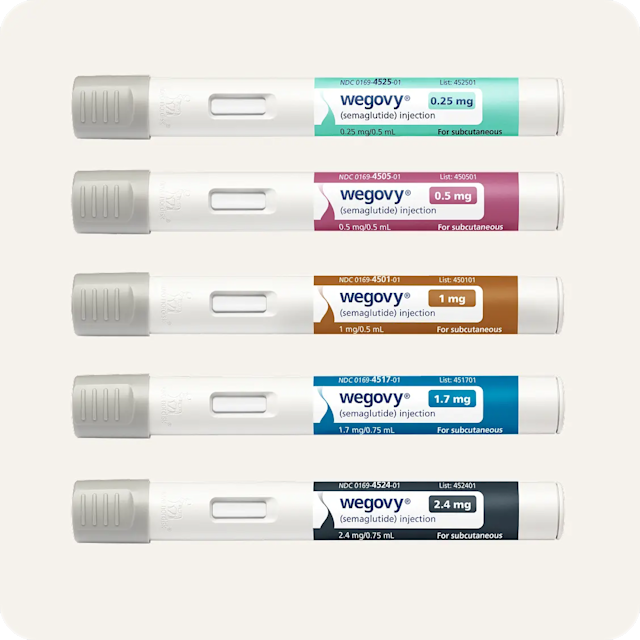
As low as $25/mo if your insurance covers it*
tirzepatide · weekly injection
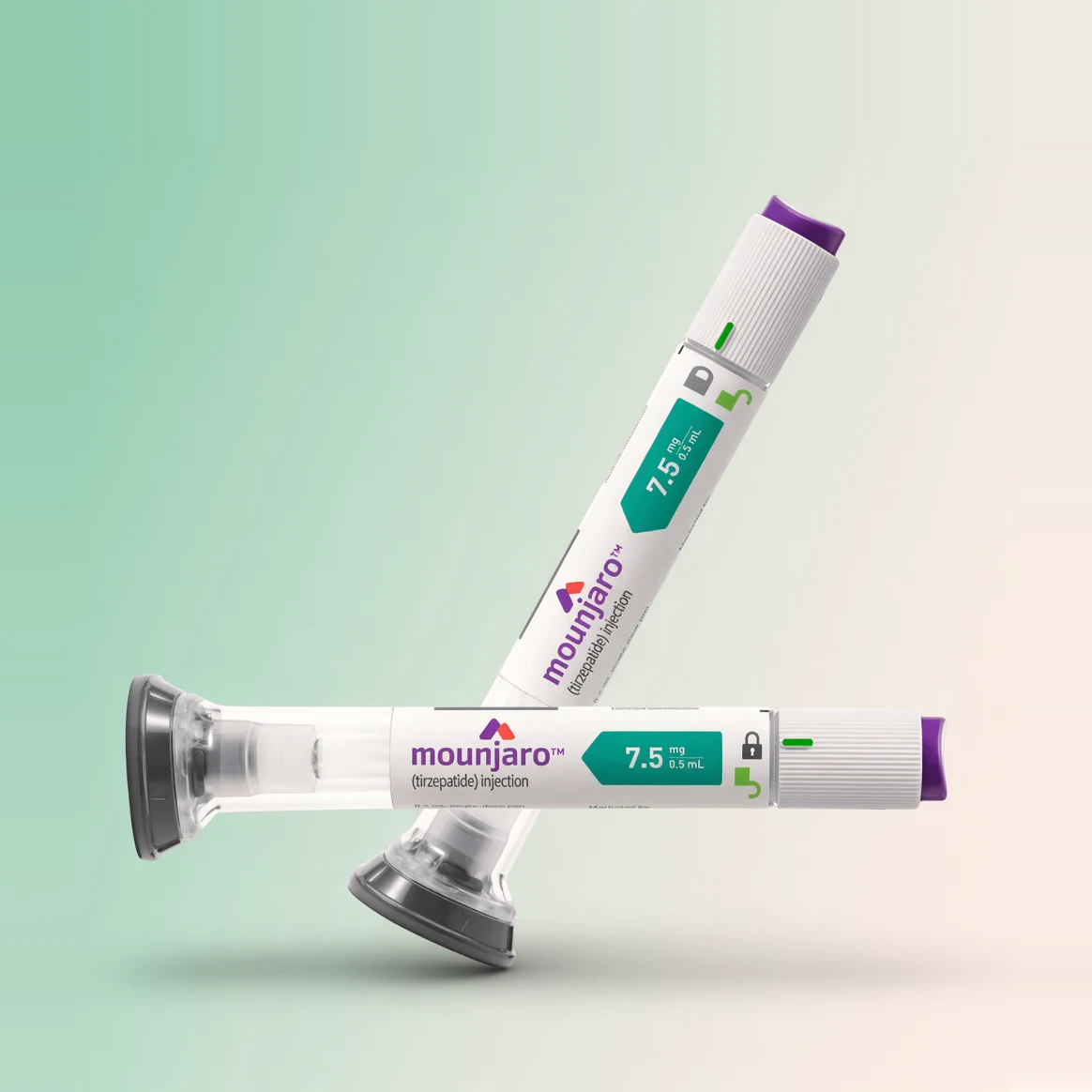
As low as $25/mo if your insurance covers it*†
semaglutide · weekly injection
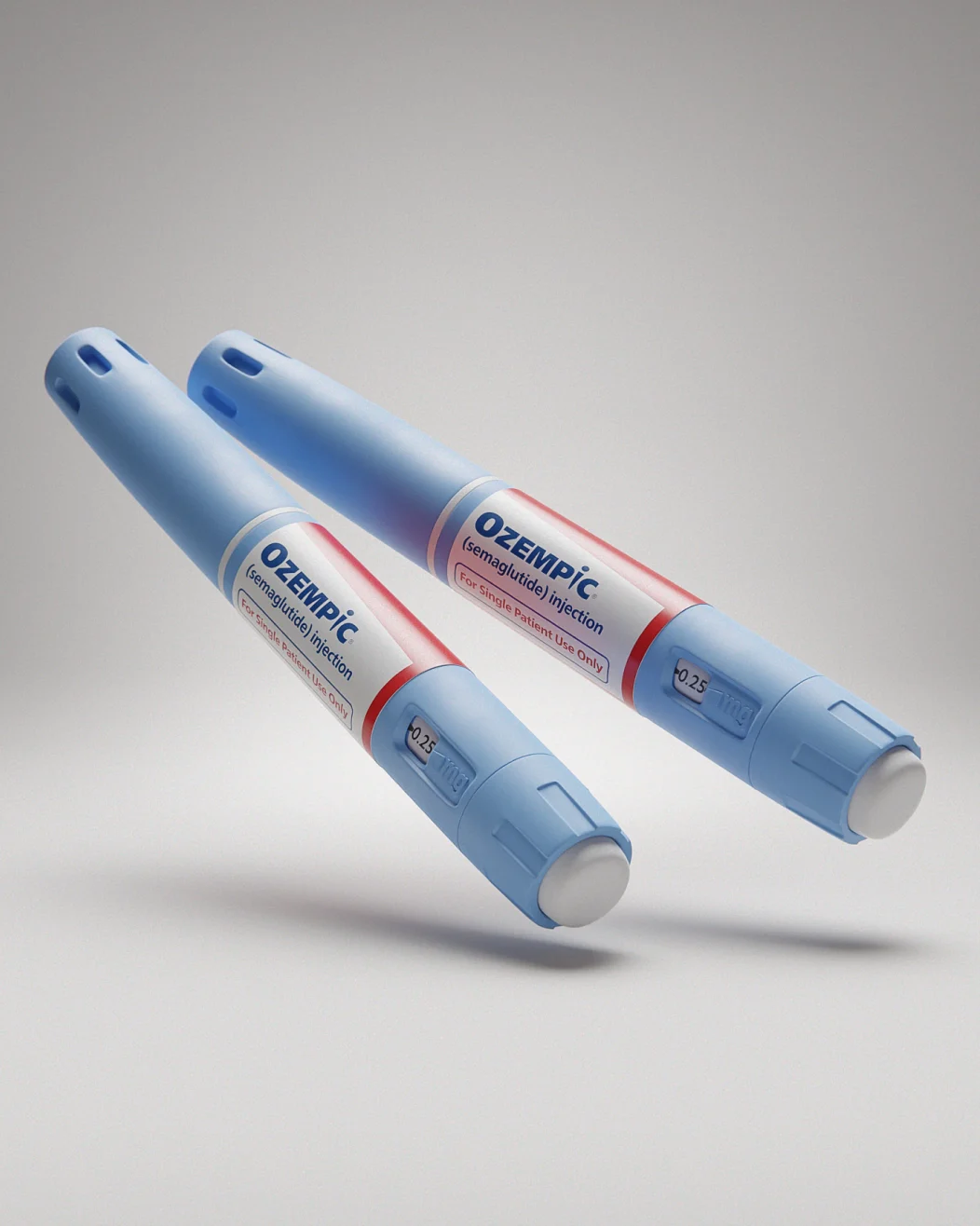
As low as $25/mo if your insurance covers it*†
weekly injection · partner pharmacy
$199/mo, or $106/mo on a 3-month supply‡
weekly injection · partner pharmacy
$329/mo, or $216/mo on a quarterly plan‡
*Brand-name pricing as low as $25 a month applies when your commercial insurance covers the medication; actual cost depends on your plan and on manufacturer savings terms, which can change. †Mounjaro and Ozempic are FDA-approved for type 2 diabetes, not for weight loss; a provider may prescribe them off-label when appropriate. ‡Compounded medications are not FDA-approved and have not been evaluated by the FDA for safety, effectiveness, or quality. Compounded pricing shown is for medication only. §Roen membership is $39 for the first month, then $135 a month. Medication is billed separately.
GLP-1 medications carry a boxed warning about the risk of thyroid C-cell tumors and can cause serious side effects. See the important safety information for Zepbound, Wegovy, Mounjaro, Ozempic, semaglutide, and tirzepatide.
Zepbound® and Mounjaro® are registered trademarks of Eli Lilly and Company. Ozempic® and Wegovy® are registered trademarks of Novo Nordisk A/S. Roen is not affiliated with or endorsed by these companies. Prescriptions are issued only after a licensed provider determines that treatment is appropriate. This page is for general information and is not medical advice.