Brand nameInsurance checked for you
Zepbound®
tirzepatide · weekly injection
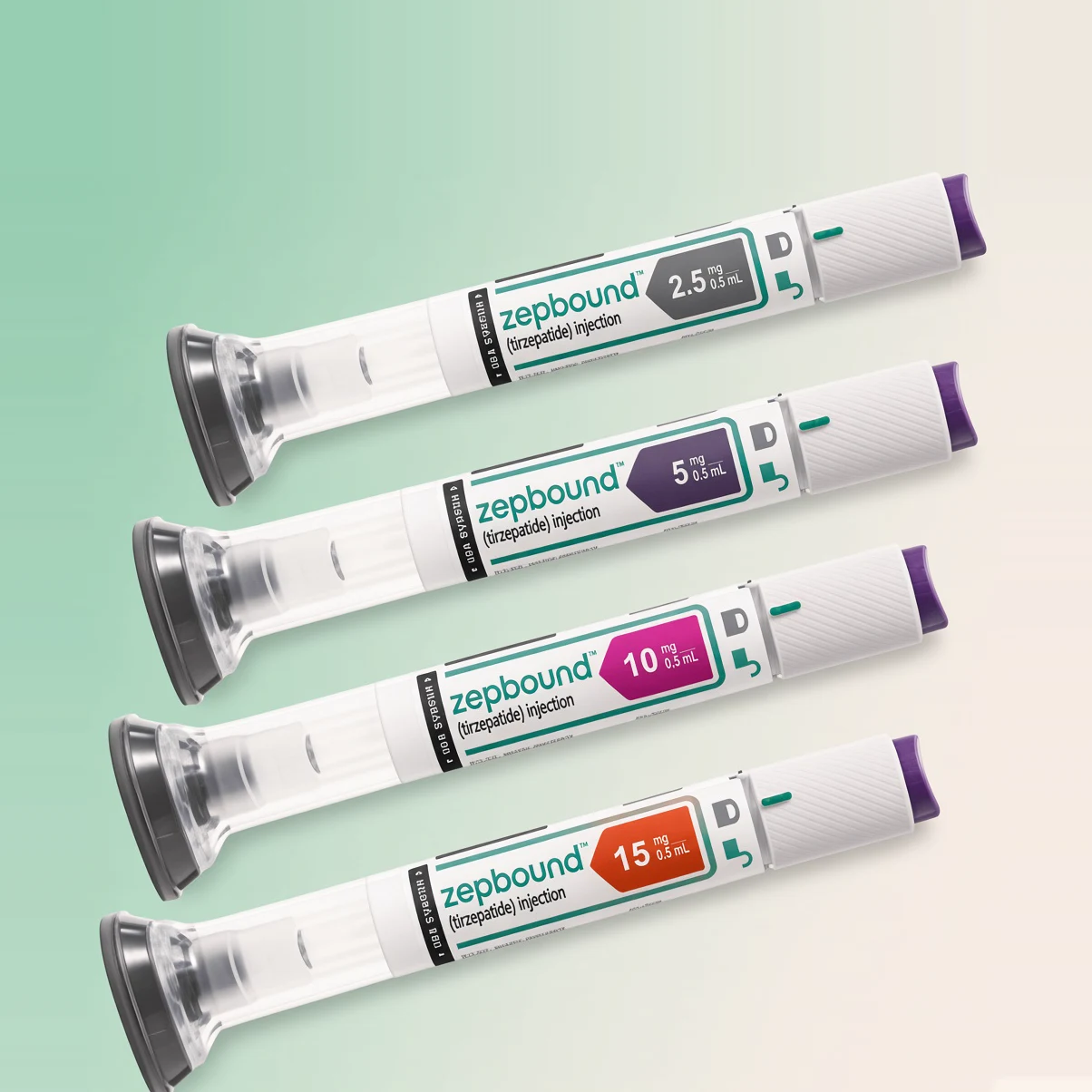
As low as $25/mo if your insurance covers it*

About one in eight U.S. adults now takes a GLP-1 medication such as Ozempic, so weight loss has become regular office conversation. Here is how to answer coworkers’ questions, how to talk about someone else’s weight loss, and what you never have to share.
U.S. adults who have taken a GLP-1
18%of adults
Survey figures from KFF (November 2025) and Virta Health (2026).
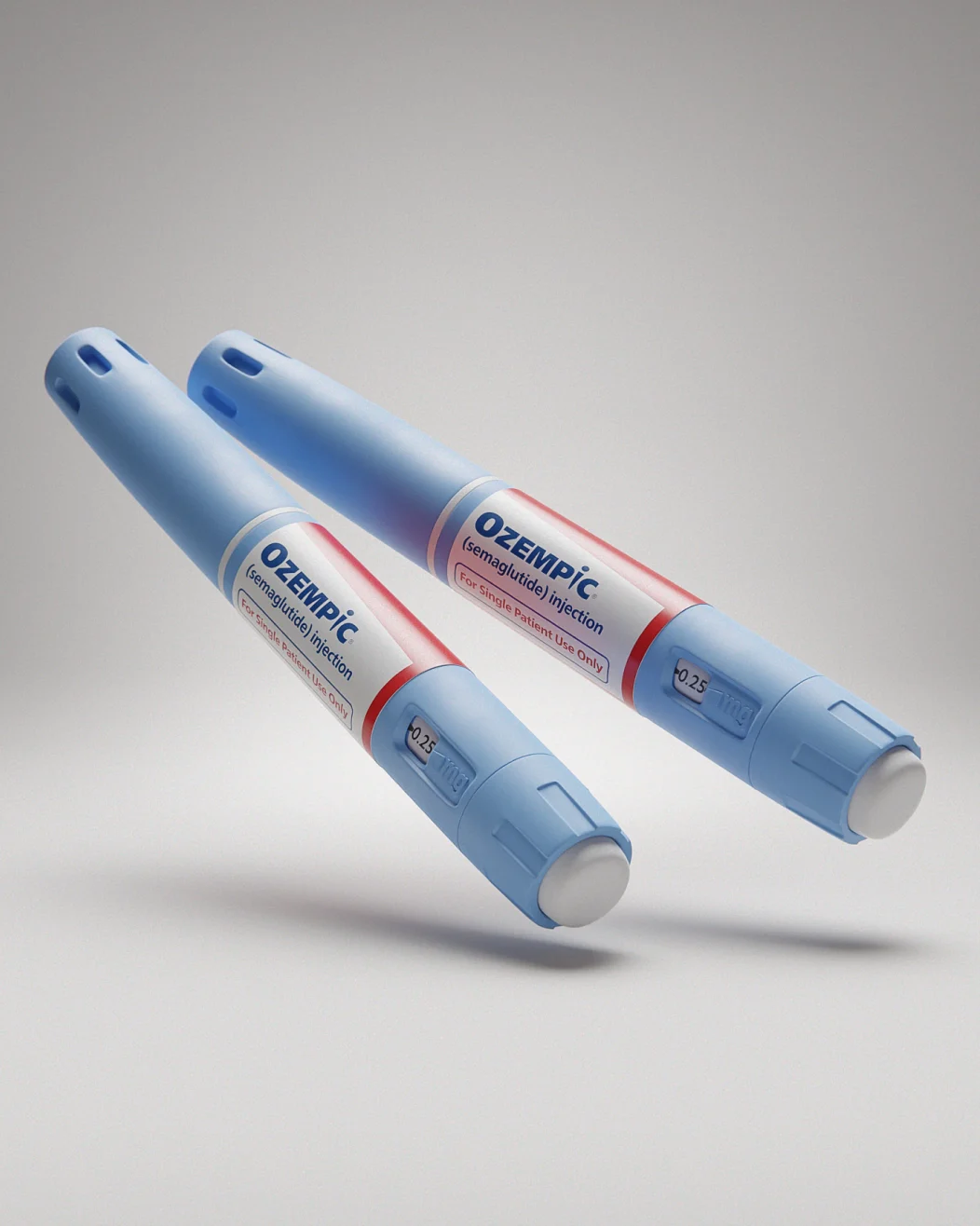
Curious whether a GLP-1 is right for you? A licensed provider can review your health history online, privately.
This page is general information, not medical or legal advice. Workplace laws vary by state and city. For a specific situation at work, talk to your HR department or an employment attorney.
It comes up because a lot of your coworkers are either taking one of these medications or know someone who is. In KFF’s national poll, 18% of adults said they had taken a GLP-1 drug at some point and 12% were taking one at the time, a share that roughly doubled in about 18 months.1
Use is highest in the middle of most people’s working lives. About one in five adults aged 50 to 64 reported currently taking one.1 At the overall rate, an office of 40 people would have four or five of them on a GLP-1 at any given time.
Weight loss is also visible in a way most medical treatment isn’t. Coworkers see you every day, they eat lunch with you, and they notice when your clothes fit differently. That is why the questions tend to come from the next desk before they come from anyone else.
What hasn’t caught up is how comfortable people feel talking about it. In Virta Health’s 2026 survey, 69% of current and former GLP-1 users said they were unlikely to tell others they use the medication, and almost a third of Americans said they personally know someone who has used one for weight loss.2 Lots of people are curious, and most of the people being asked would prefer not to answer.
A note on the word “Ozempic.” At work, “Ozempic” usually means any GLP-1 weight loss medication. Ozempic itself is approved for type 2 diabetes, not weight loss.3 Wegovy contains the same active ingredient, semaglutide, and is the version approved for weight management.4 Zepbound and Mounjaro are a different medication, tirzepatide. Your coworker may be on any of them.
No. You are not required to tell coworkers about any medication you take, and in most jobs you don’t have to tell your employer either.
Under the Americans with Disabilities Act, an employer can generally ask a current employee about medical conditions or medications only when the question is job-related and consistent with business necessity.5 A manager who is simply curious about how you lost weight doesn’t meet that standard.
There are narrow exceptions. Some safety-sensitive jobs have their own rules about reporting prescription medications. If that could apply to you, check your employee handbook or ask HR how the policy works.
People often say a nosy coworker is “violating HIPAA.” That isn’t how the law works. HIPAA’s privacy rule applies to health plans, healthcare providers, and the companies that process health data for them. It doesn’t apply to your coworkers, and it generally doesn’t stop your employer from asking you questions.6
What HIPAA does do is stop your doctor, your pharmacy, and your health plan from handing your records to your employer without your authorization, apart from a few specific exceptions.6 So a coworker asking about your prescription is being intrusive, not breaking that law. You are still free to decline.
There are a few times when sharing a little is useful:
In those cases, go to HR or your manager directly, share only what’s needed, and ask that it stay confidential. Medical information an employer collects is supposed to be kept confidential and stored separately from your regular personnel file.5
Decide in advance how much you want to share, then keep one line ready. Every option below is polite, and none of them requires you to explain yourself.
Not sharing isn’t lying. “I’ve been making some changes” is true for almost everyone on a GLP-1, because the medications are prescribed alongside changes to eating and activity.4
Try to avoid a flat denial, though. “No, it’s just diet and exercise” tends to invite follow-up questions, and it can feel awkward later if you decide to be more open.
Coworkers usually ask the same three things: which medication, what it costs, and whether the side effects are bad. You can answer in general terms and point them to their own doctor. What works for you, and what your insurance covers, won’t predict much about their situation.
Repeated remarks about your body, jokes about “taking the easy way out,” or a group chat speculating about who is on what are more than awkward. If it continues after you have asked someone to stop, write down what was said and when, and take it to your manager or HR.
The safest approach is not to comment on a coworker’s body at all, and never to ask whether they’re on Ozempic. You don’t know the reason for the change. Weight loss can come from medication, but also from illness, stress, grief, or an eating disorder.
Things to skip
That is a reasonable thing to be curious about. Ask in private, and make it easy to say no: “Feel free not to answer, but I’ve been thinking about talking to my doctor about weight loss medication. Would you be open to sharing what your experience has been like?”
Keep in mind that a coworker’s results aren’t a forecast for yours. A licensed provider is the right person to tell you whether a GLP-1 is appropriate for you.
GLP-1 medications reduce appetite, so you may eat much less than you used to. If someone remarks on a half-finished plate, “I had a big breakfast” or “I’m good, thanks” closes the topic. Ordering a smaller dish, or boxing up half at the start, draws less attention than leaving a full plate.
Many people find they want less alcohol on a GLP-1, and drinking can make nausea worse. A seltzer with lime looks like any other drink, and nobody needs a reason. Our guide to semaglutide and alcohol covers what to know.
Nausea and other stomach side effects are most common while your dose is being increased.4 Some people pick an injection day so that the first day or two after each dose falls on the weekend. Ask your provider before changing your schedule, because each medication has its own rules for moving your injection day.
Small, bland meals, steady fluids, and avoiding greasy food can help with nausea. If side effects are affecting your work, tell your provider. Staying at a lower dose for longer is sometimes an option. See our overview of GLP-1 side effects for what is common and what needs medical attention.
Most GLP-1 pens are stored in the refrigerator, and many can be kept at room temperature for a limited time. The limits differ by medication, so check the instructions that came with yours before you travel.
If you manage people, the simplest rule is to treat GLP-1 use like any other medical matter. You don’t ask about it, you don’t speculate about it, and you don’t let it turn into team gossip.
Weight itself is increasingly a legal matter too. Federal law doesn’t name weight as a protected category, but Michigan and several cities do. New York City’s ban on height and weight discrimination in employment took effect on November 26, 2023, and it covers offensive language and a hostile environment based on body size.7
You don’t need to ask your coworker anything to find out whether you qualify. Start with what these medications are, and who they are prescribed for.
Ozempic and Mounjaro are approved for type 2 diabetes. Wegovy and Zepbound are approved for weight management in adults with obesity (a BMI of 30 or higher), or with overweight (a BMI of 27 or higher) plus at least one weight-related condition such as high blood pressure or high cholesterol.4
In the main Wegovy trial, adults lost an average of 14.9% of their body weight over 68 weeks, compared with 2.4% on placebo.8 In the main Zepbound trial, average weight loss was 15.0% to 20.9% over 72 weeks, depending on dose, compared with 3.1% on placebo.9 Both were used with a reduced-calorie diet and more physical activity, and individual results varied widely.
With Roen, you answer questions about your health online and a licensed provider reviews them. There is no appointment to schedule and no waiting room, so nobody at work needs to know. If a GLP-1 is appropriate, your provider prescribes it and we check your insurance coverage.
You can read more about each option here: Ozempic, Wegovy, Zepbound, Mounjaro, semaglutide, and tirzepatide. If you’re new to the topic, start with what GLP-1 means.
Yes, in most cases. It is a question about someone’s medical treatment and their body, and it puts them on the spot. If you’re curious for your own sake, ask privately and make it clear they don’t have to answer.
Generally, no. Employers can ask about medications only when it is job-related and consistent with business necessity. Some safety-sensitive roles have their own reporting rules, so check your handbook if that could apply to you.
A boss asking out of curiosity is on shaky ground. Under the Americans with Disabilities Act, medical questions to current employees are supposed to be job-related and consistent with business necessity. You can decline to answer and, if it continues, raise it with HR.
No. HIPAA applies to healthcare providers, health plans, and their business partners, not to coworkers. The question may be intrusive, but it doesn’t break HIPAA. You are still free not to answer.
Keep it short. “Thanks, I’m feeling good” works for compliments. “I keep the medical stuff private” works for questions about how. If the comments are unwelcome and keep coming, ask the person to stop, and involve your manager or HR if they don’t.
Because a lot of people are. In KFF’s national poll, 12% of adults said they were currently taking a GLP-1 medication, and the share was higher among adults aged 50 to 64. Since many users keep it private, the real number in your office may be higher than it looks.
No. Ozempic is approved for type 2 diabetes. Wegovy, which contains the same active ingredient at a higher dose, is approved for weight management, and so is Zepbound. A provider decides which medication, if any, is appropriate for you.
An online evaluation is private. With Roen, you complete a health intake on your phone, a licensed provider reviews it, and any follow-up happens by message. There is no appointment, and medication ships to your home.
Page last updated November 17, 2026.




 Roen members
Your Roen evaluation happens online, on your schedule. A licensed healthcare provider reviews your health history and goals, decides whether treatment is appropriate, and stays available by message for questions about dosing and side effects.
Individual experiences vary.

“Starting a new weight management program felt like a big decision. What I appreciated most was being able to talk openly about Zepbound and my concerns without feeling rushed.”

“I was nervous about asking my provider about Mounjaro because I didn’t know where to start. They listened to my concerns and explained the next steps in plain language.”

“Talking about my weight hasn’t always been easy. When I asked about Wegovy, I felt comfortable being honest about my goals and concerns.”

“I’d read so much about Ozempic that I wasn’t sure which questions to ask first. My provider helped me sort through everything and understand how my health history factored into the decision.”

“What I appreciated most was getting a clear explanation of what treatment with tirzepatide could involve. Having everything explained step by step helped me feel more prepared.”

“I sent my provider a whole list of questions about semaglutide. I left feeling heard and better informed about my choices.”
Roen providers prescribe both brand-name and compounded GLP-1s. Your provider helps you choose based on your health history, coverage, and budget.
tirzepatide · weekly injection
As low as $25/mo if your insurance covers it*
semaglutide · weekly injection
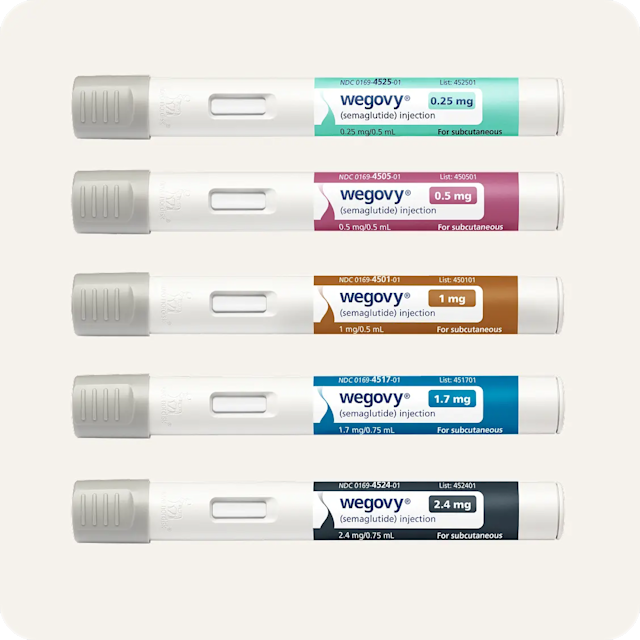
As low as $25/mo if your insurance covers it*
tirzepatide · weekly injection
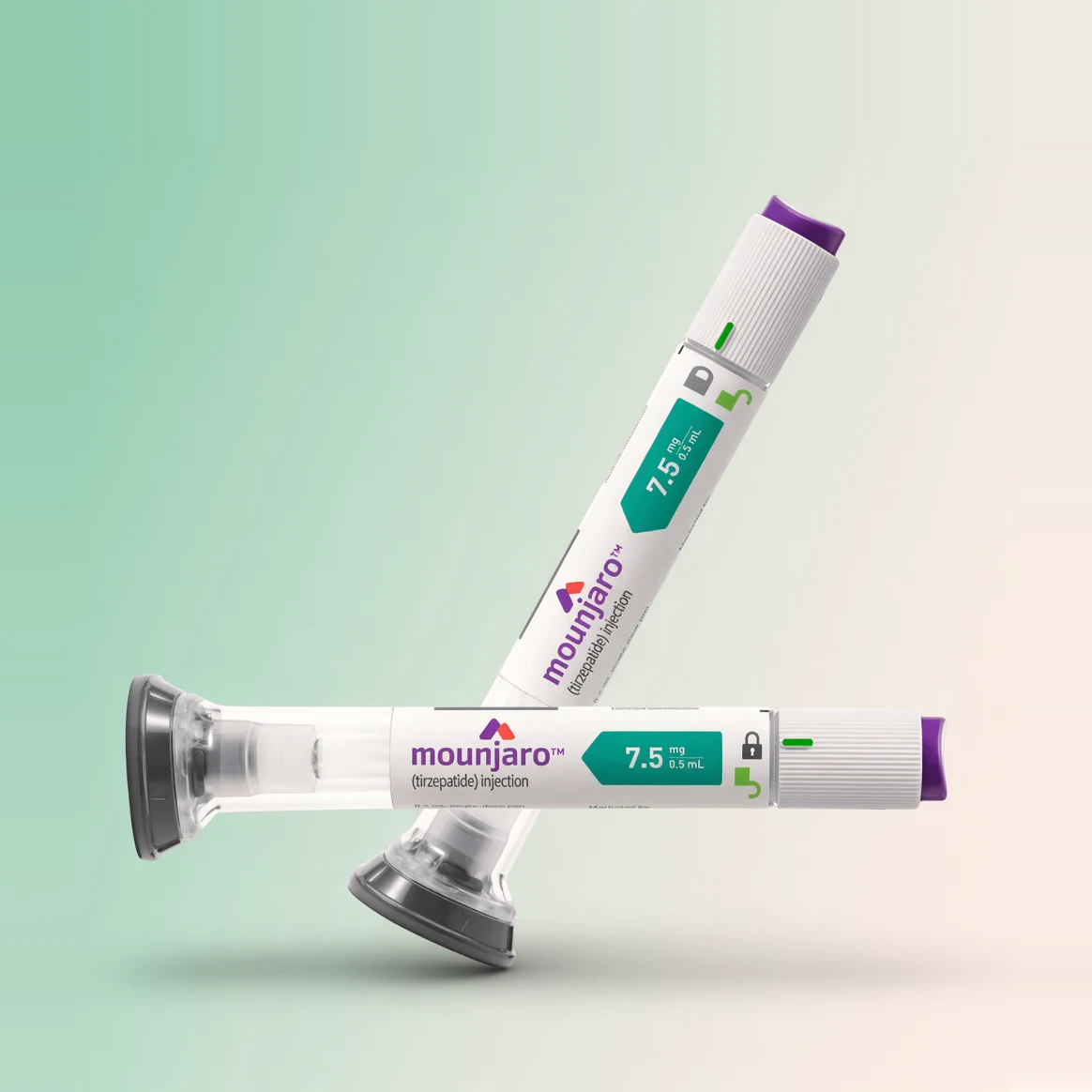
As low as $25/mo if your insurance covers it*†
semaglutide · weekly injection
As low as $25/mo if your insurance covers it*†
weekly injection · partner pharmacy
$199/mo, or $106/mo on a 3-month supply‡
weekly injection · partner pharmacy
$329/mo, or $216/mo on a quarterly plan‡
*Brand-name pricing as low as $25 a month applies when your commercial insurance covers the medication; actual cost depends on your plan and on manufacturer savings terms, which can change. †Mounjaro and Ozempic are FDA-approved for type 2 diabetes, not for weight loss; a provider may prescribe them off-label when appropriate. ‡Compounded medications are not FDA-approved and have not been evaluated by the FDA for safety, effectiveness, or quality. Compounded pricing shown is for medication only. §Roen membership is $39 for the first month, then $135 a month. Medication is billed separately.
GLP-1 medications carry a boxed warning about the risk of thyroid C-cell tumors and can cause serious side effects. See the important safety information for Zepbound, Wegovy, Mounjaro, Ozempic, semaglutide, and tirzepatide.
Zepbound® and Mounjaro® are registered trademarks of Eli Lilly and Company. Ozempic® and Wegovy® are registered trademarks of Novo Nordisk A/S. Roen is not affiliated with or endorsed by these companies. Prescriptions are issued only after a licensed provider determines that treatment is appropriate. This page is for general information and is not medical advice.